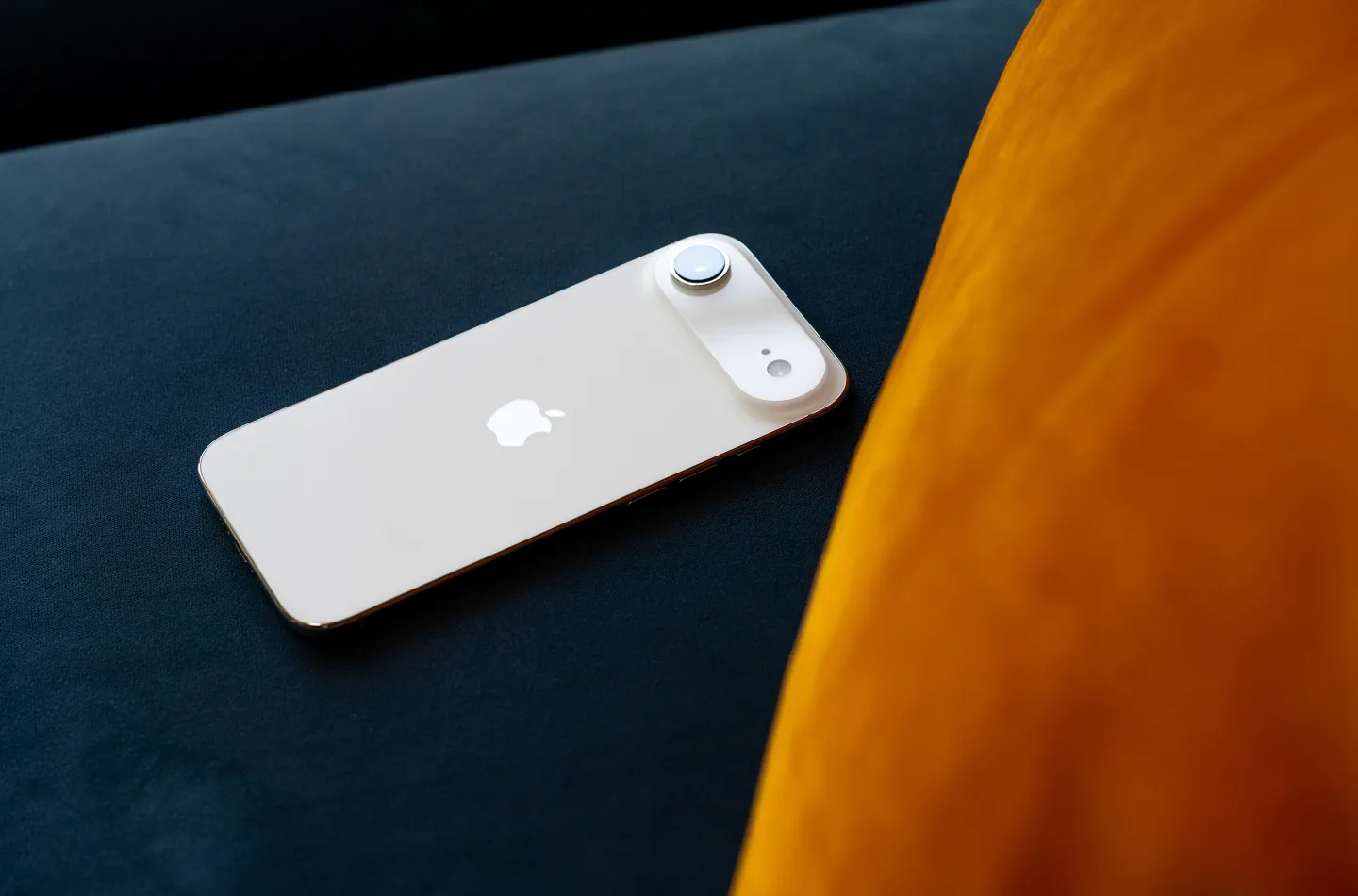
Apple has officially increased the retail prices for the iPhone 17, iPhone 17e, and iPhone Air. This move deviates from the company's long-standing tradition of reducing the prices of older models by $100 following the launch of new hardware. The decision comes as the release of the iPhone 18 has been delayed until the spring of 2027, forcing the current lineup to remain the primary sales focus for an extended period.
The primary driver behind this price hike is the global semiconductor supply crisis, specifically the surging costs of DRAM and NAND flash memory. High demand for AI data center components has led to a significant increase in procurement costs for consumer-grade storage chips. CEO Tim Cook previously indicated that the company had reached its limit in absorbing supply chain cost spikes, which had already led to price increases of 15% to 20% for Mac and iPad lines.
By raising prices for its mid-range models, Apple aims to protect its hardware profit margins and narrow the price gap between the current lineup and the upcoming high-end iPhone 18 Pro and the foldable iPhone Duo. To mitigate the impact on consumers, the company has increased trade-in valuations and is promoting monthly installment subscription plans to spread the added costs over a longer period.
Industry analysts suggest that Apple's departure from its traditional pricing strategy may signal a broader shift in the consumer electronics market. As global inflation and structural shortages in the semiconductor supply chain persist, the era of predictable price drops for older smartphone models may be coming to an end, potentially leading to a sustained period of higher hardware prices across the industry.