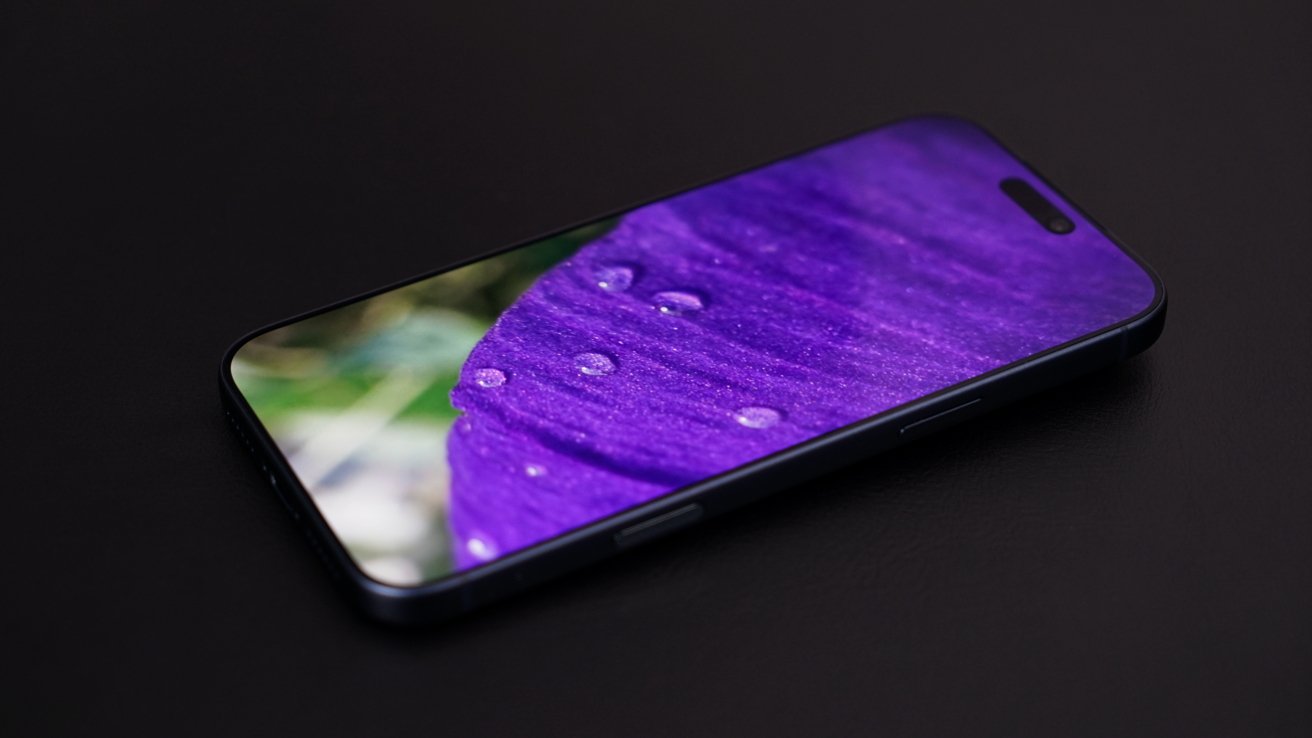
Apple has reportedly delayed the adoption of Color Filter on Encapsulation (CoE) OLED technology. While earlier rumors suggested its debut in the 20th-anniversary iPhone, current forecasts indicate the technology will likely not arrive until the 2029 Pro series.
CoE OLED technology removes the traditional polarizer layer found in OLED screens. This design change aims to increase light transmission efficiency, allowing for higher brightness levels and lower power consumption, while simultaneously reducing the overall thickness of the display module.
The delay is attributed to concerns regarding manufacturing costs and the maturity of the technology. Apple has historically been cautious about integrating new display components, and internal assessments suggest that a full-scale implementation at this stage would significantly increase production expenses.
Samsung introduced a form of CoE technology in its Galaxy Z Fold3 back in 2021. If Apple proceeds with a 2029 launch, it will trail industry competitors by approximately eight years. Suppliers like Samsung Display and LG Display are currently working on solutions to maintain image clarity without the polarizer layer.
Despite the postponement, the industry expects Apple to eventually transition to CoE OLED. The technology offers a more efficient manufacturing process and potential improvements in battery life, which align with Apple's long-term design goals for thinner devices and enhanced display performance.