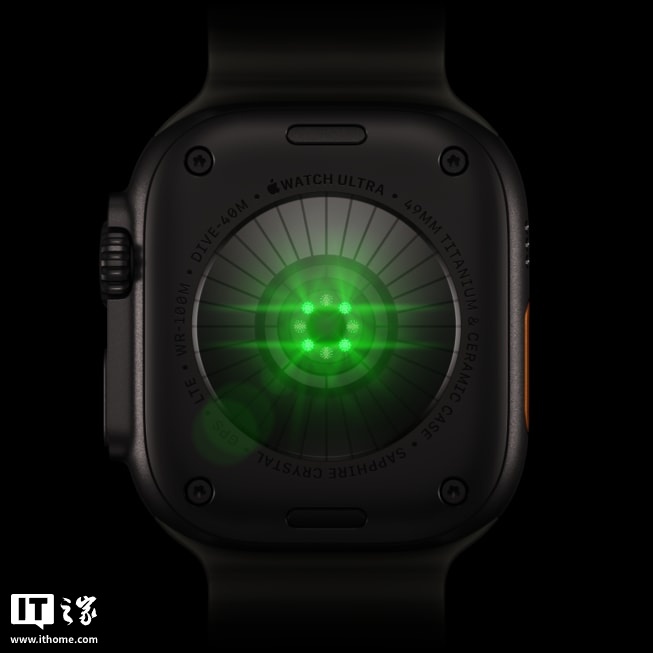
Apple has introduced updated health tracking features for the Apple Watch Series 12 and Apple Watch Ultra 4. These devices feature a new sensor system with improved optical and electrical heart rate sensors and larger green LEDs. The system records heart rate every 5 seconds and heart rate variability every 5 minutes, increasing the sampling frequency by 24 times.
The new models exclusively offer metrics such as recovery heart rate variability, daytime vital signs, nighttime baseline comparisons, and a 0 to 10 readiness score. The readiness score evaluates daily recovery based on vital signs, activity, training load, and sleep data to suggest training intensity. Additionally, Apple introduced a health age feature that compares long-term health data against a user's actual age.
The health age feature utilizes VO2 max, resting heart rate, and heart rate variability data. It is available on existing Apple Watch models capable of providing these metrics, provided the user has an iPhone running iOS 27 with Apple Intelligence support. The redesigned Health app now includes dedicated tabs for longevity and insights, aggregating data from AirPods, clinical records, and third-party apps.
In the United States, Apple launched a laboratory testing service in partnership with Quest Diagnostics. For a fee of $119, users can book tests at approximately 2,000 locations to analyze over 50 biomarkers, with results syncing directly to the Health app. This service does not require an Apple Watch and is currently limited to the US market.