

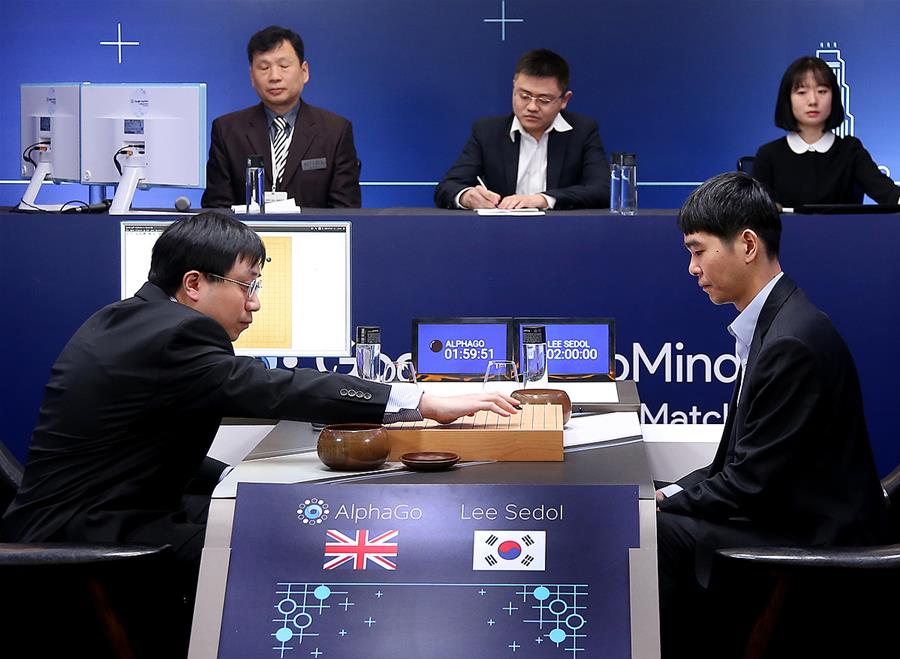
Thore Graepel, a core developer of AlphaGo, has left Google DeepMind to pursue the development of machine reasoning. In a recent article for MIT Technology Review, Graepel argues that Large Language Models (LLMs) lack true reasoning capabilities, a stance supported by Turing Award winner Yann LeCun.
Graepel explains that AlphaGo’s success relied on two distinct systems: a policy network for intuition and a search mechanism for evaluating future outcomes. He notes that the famous 'Move 37' was rejected by the model's intuition but selected by the search mechanism, demonstrating a capability absent in current LLMs.
The author identifies three core limitations of LLMs: the lack of an explicit, updatable cognitive state; the entanglement of knowledge and reasoning within neural weights; and the tendency to fabricate explanations post-hoc. He argues that these flaws make LLMs unreliable for high-stakes fields like medicine or engineering.
Graepel proposes a new architecture for machine reasoning inspired by AlphaGo, where a system maintains a clear record of hypotheses and evidence. He suggests that LLMs could serve as components in a broader framework that uses external tools and rigorous verification to produce auditable, scientific knowledge.
The proposal has sparked debate among experts. Some, like David Duvenaud, argue that Graepel's criteria for reasoning could also apply to humans. Others question whether scaling current models or changing the underlying architecture is the key to achieving reliable machine intelligence.


