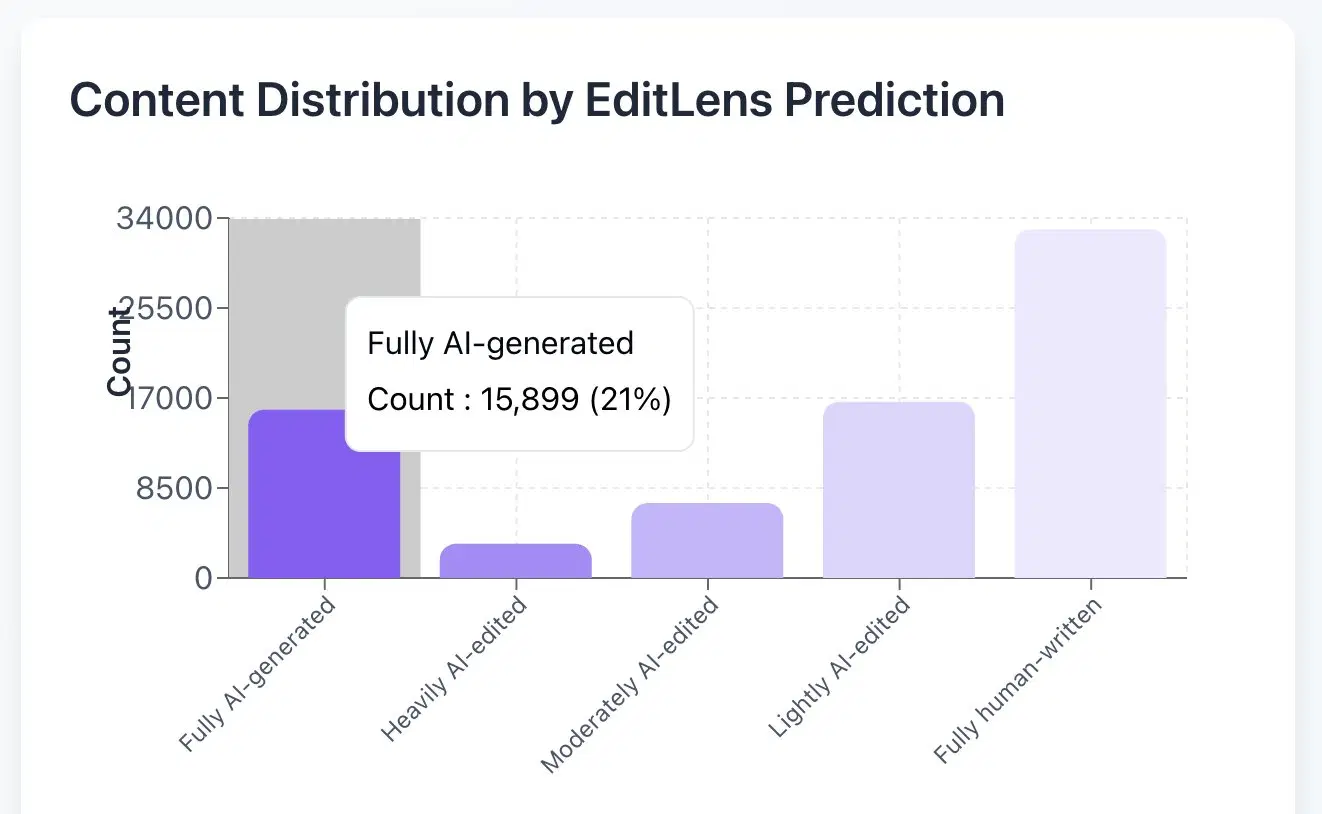
The surge in generative AI tools has enabled the rapid production of low-cost content, raising concerns about the quality of academic peer reviews. Researchers have reported an increase in vague feedback, irrelevant research requests, and citations of non-existent papers in submissions to major machine learning conferences.
In November 2025, Graham Neubig from Carnegie Mellon University addressed these issues by offering a $50 reward to anyone who could verify AI-generated content within the submissions for the International Conference on Learning Representations (ICLR) 2026. The initiative followed numerous complaints from the academic community.
The core of the problem lies in the workload of reviewers, who are typically university faculty, graduate students, and laboratory staff. Since this peer review process is unpaid, the temptation to utilize automated tools to handle high volumes of academic material has become a significant challenge for the scientific community.