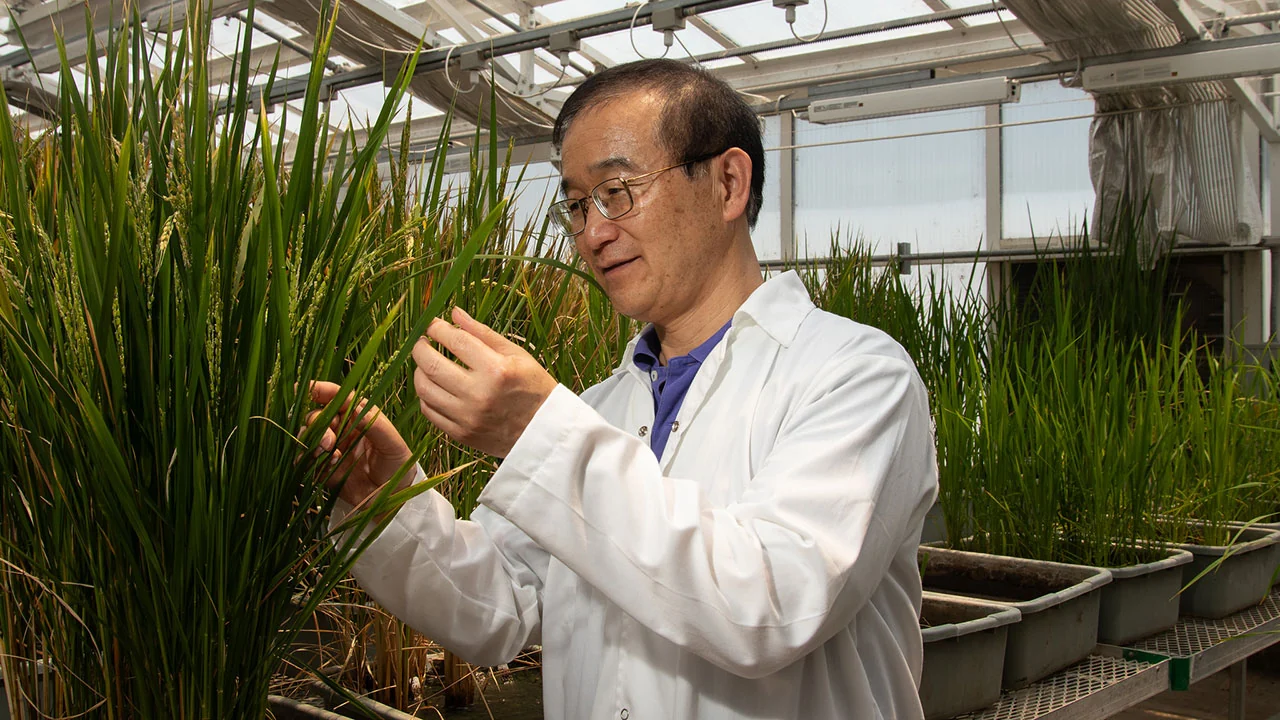
A research team from the University of Missouri, led by Professor Bing Yang, has successfully developed rice plants resistant to bacterial blight. This disease is a major threat to global rice production, particularly in parts of Asia and Africa, where it causes significant crop losses.
The breakthrough was achieved using OpenCRISPR-1, an AI-designed gene-editing tool originally developed by the California-based biotech firm Profluent. While previously tested in animal cells, this study marks the first successful application of the tool for editing rice genes.
The findings were published in the academic journal aBIOTECH. The research demonstrates that targeted genetic modifications can enhance the natural defense mechanisms of rice plants against pathogens, potentially securing yields for farmers.
A key feature of OpenCRISPR-1 is its open-source nature. Unlike proprietary gene-editing technologies, it does not require commercial licensing fees, allowing research institutions and companies to use it for both academic studies and commercial development.
Despite the success in laboratory settings, the team notes that widespread commercial cultivation remains a future goal. The next steps involve integrating these traits into commercial rice varieties, conducting field trials, and navigating regulatory approval processes.
The researchers believe this methodology could be extended to other major crops, including corn and soybeans. The goal is to develop plants capable of withstanding various environmental stressors, such as drought and high temperatures, to improve agricultural resilience.