

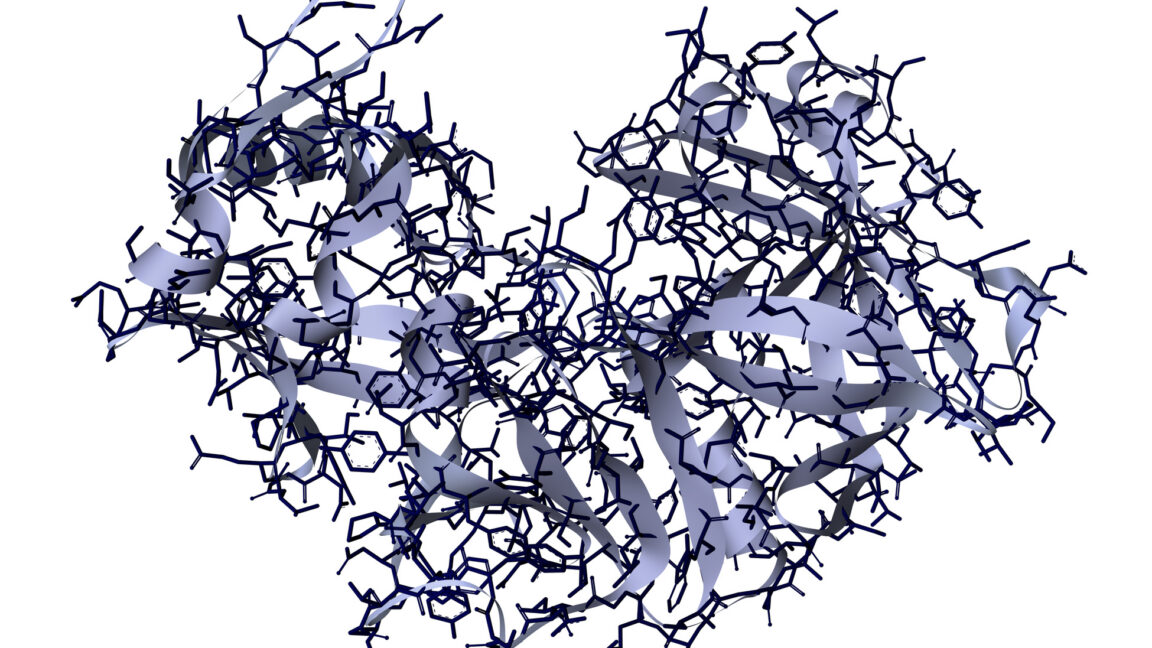
Researchers from the University of Washington, led by David Baker, used AI tools to design synthetic enzymes capable of cutting specific proteins. The team utilized RFdiffusion2 to create protein backbones and ProteinMPNN to populate them with amino acids, targeting sequences associated with neurological diseases.
The study focused on two types of proteases: a zinc protease from crayfish and a cysteine protease from yeast. For the cysteine protease, the team generated 12 backbones and 69 amino acid sets, achieving a 19 percent success rate. The zinc protease project tested 135 designs, with success rates significantly improving when water molecules were included as a design constraint.
The researchers optimized their designs by swapping amino acids near the active sites. The best cysteine protease variant accelerated peptide-bond cleavage by a factor of 10 to the 9th power, while the improved zinc protease v2 showed a 30-fold increase in activity compared to the initial design, with a 10 to the 10th power acceleration in cleavage.
The team successfully designed zinc proteases targeting proteins linked to Alzheimer’s and frontotemporal dementia. While these enzymes demonstrated the ability to cut targets in cells, the researchers noted that therapeutic application remains challenging due to difficulties in protein delivery and potential immune responses.


