AI Detection Tool Flags Trump's White House Renovation Photos
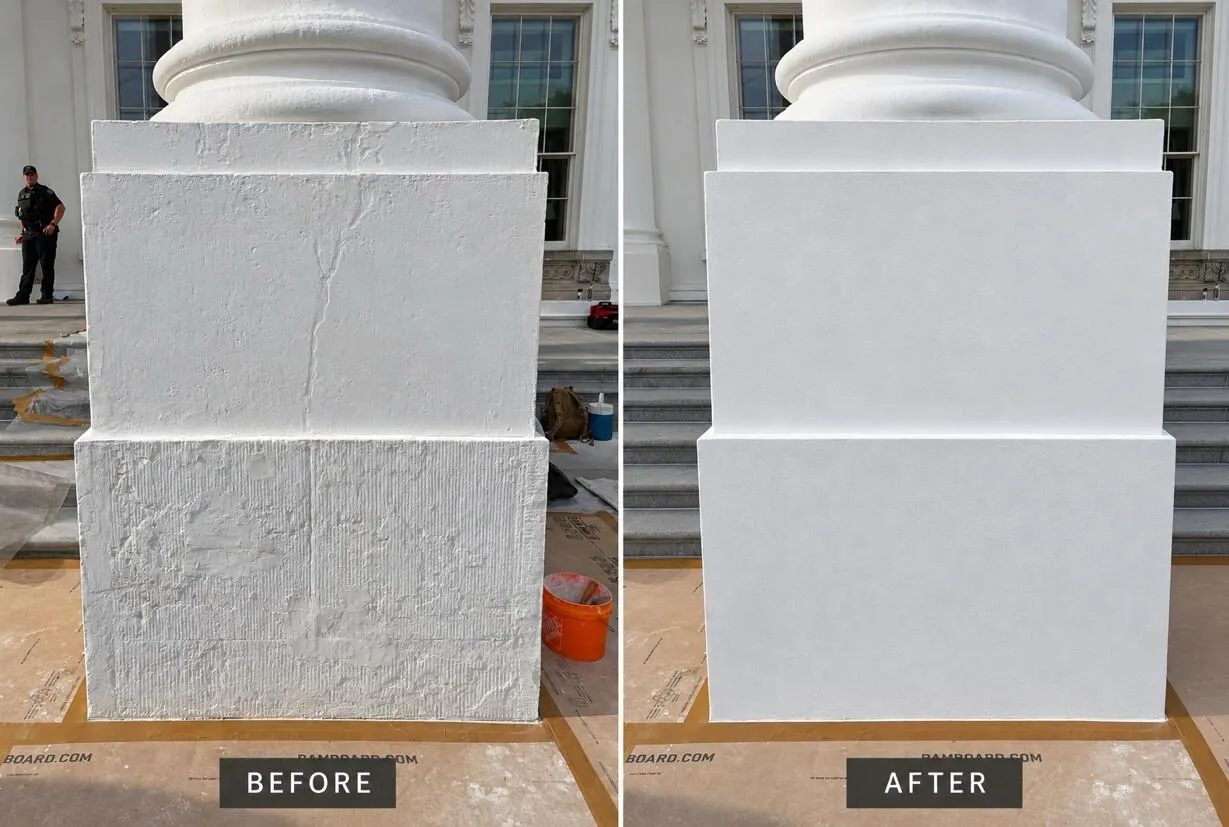
A comparison photo of White House pillars posted by Donald Trump has been flagged by Google's SynthID tool as AI-edited, sparking questions about the accuracy of visual records.

A comparison photo of White House pillars posted by Donald Trump has been flagged by Google's SynthID tool as AI-edited, sparking questions about the accuracy of visual records.

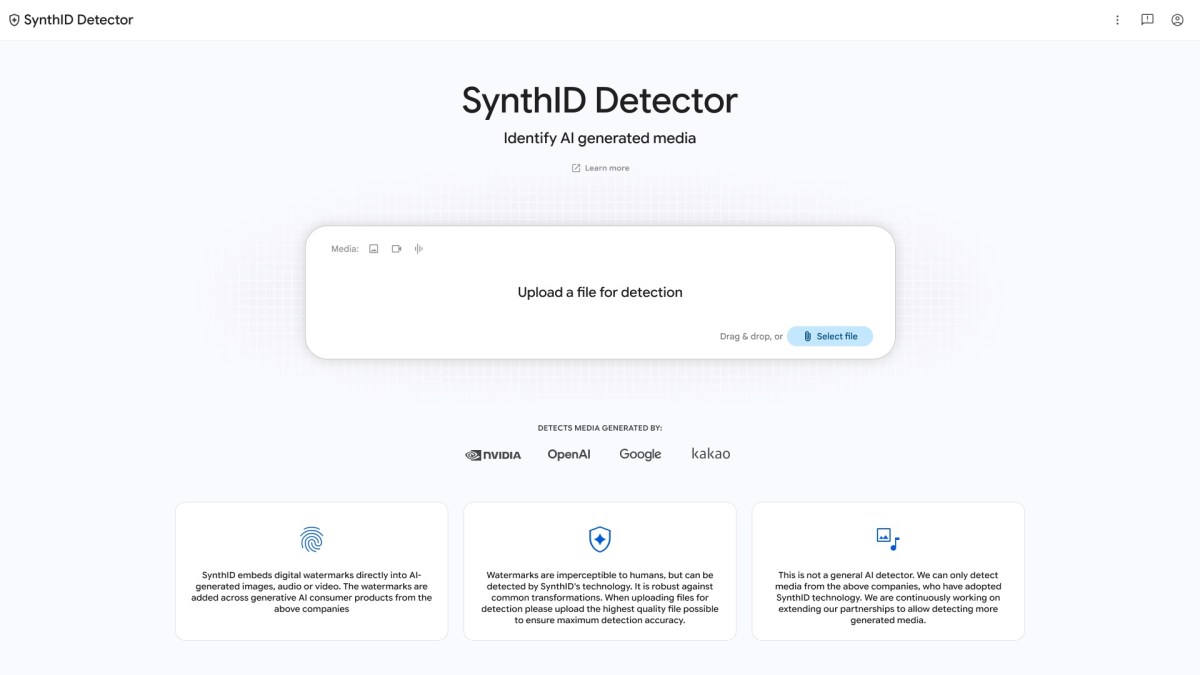
Google has released its SynthID Detector globally, enabling users to identify AI-generated media through invisible watermarks.

Google has released a public web-based tool, SynthID Detector, to identify AI-generated media, though it remains limited by the lack of universal watermarking standards.

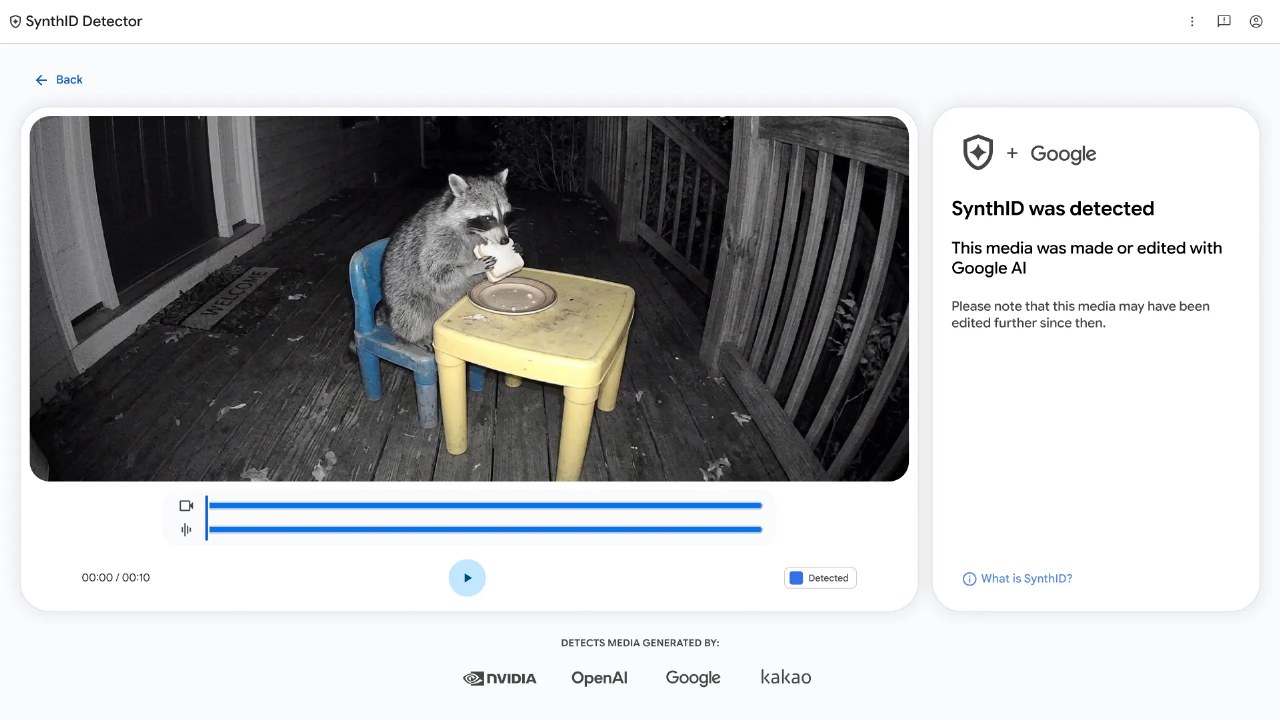
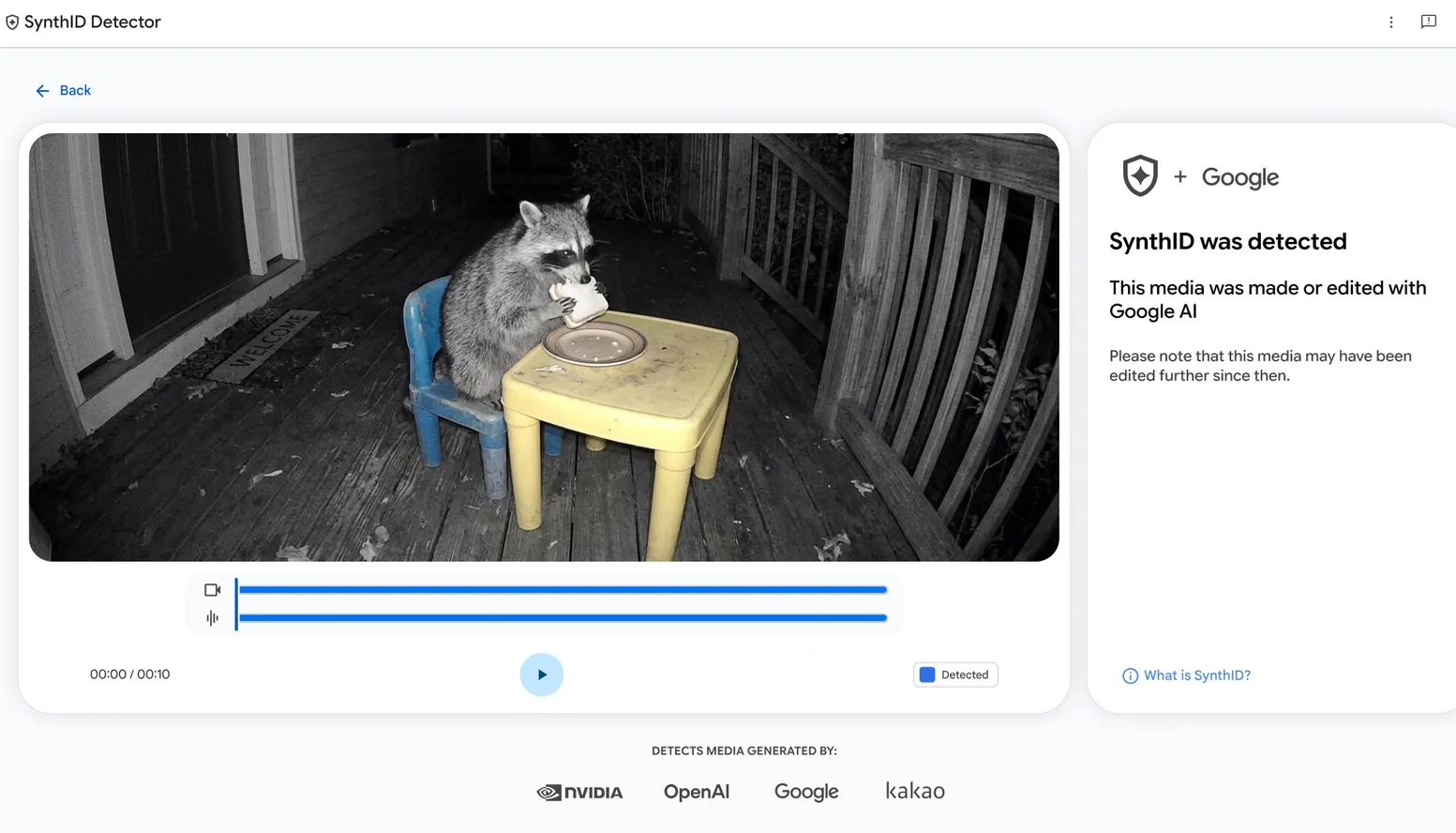
Google has opened its SynthID detector to the public, enabling anyone to verify if images, video, and audio contain AI-generated watermarks from Google and its partners.

Google has launched a centralized website, SynthID.com, enabling users to verify if media files contain AI-generated watermarks from multiple industry partners.

Google has opened public access to a website that verifies whether images, videos, or audio clips were generated by AI using the SynthID watermarking technology.

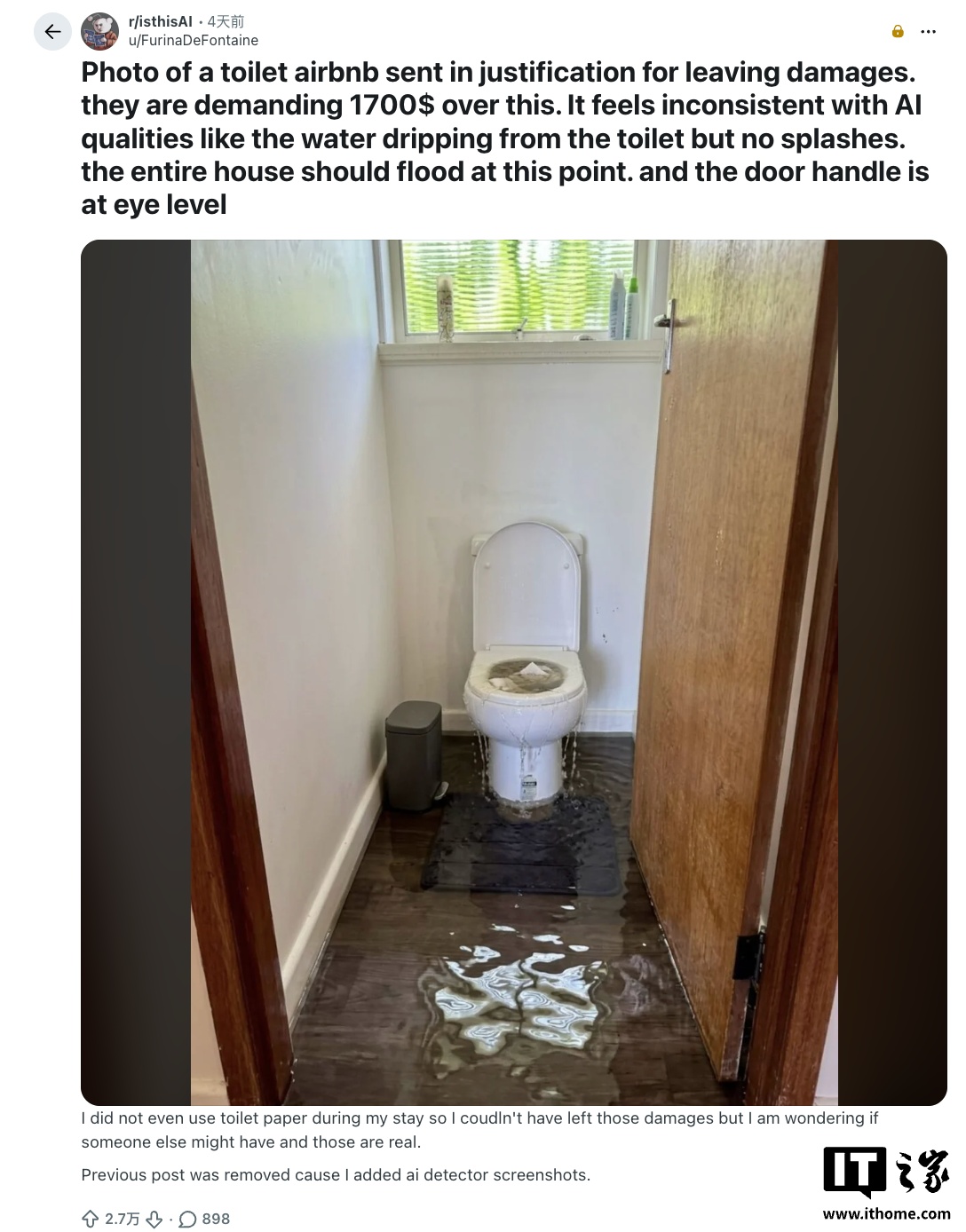
An Airbnb guest successfully challenged a fraudulent $1,700 damage claim after identifying an AI-generated photo using Google's watermark detection tool.

Researchers at Lasso discovered that watermarking AI-generated content can unintentionally alter model behavior, affecting safety and response reliability.

Research from Lasso Security reveals that SynthID-Text watermarking can weaken AI safety, making models more susceptible to harmful prompt injections and altering agent behavior.