Smart Engines Brings Document Recognition to Browsers via WASM
Smart Engines has integrated its document recognition and anti-fraud tools into web browsers using WebAssembly, enabling on-device processing without native apps.

Smart Engines has integrated its document recognition and anti-fraud tools into web browsers using WebAssembly, enabling on-device processing without native apps.

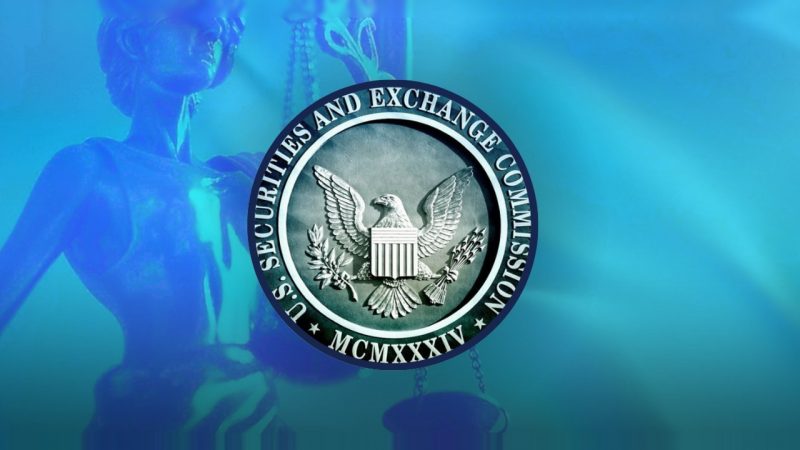
SEC Commissioner Hester Peirce proposed using zero-knowledge proofs to overhaul KYC and AML compliance, aiming to replace massive data collection with cryptographic attribute-based verification.

Recent data breaches at Revolut and other providers highlight the risks of storing sensitive KYC documents, prompting calls for the adoption of zero-knowledge proof technology.

A massive leak of 170 million identity records from IDScan.net highlights the growing risks of storing sensitive KYC data in third-party cloud environments.

Synthetic identities created with AI are being sold on the darknet for $200, allowing criminals to bypass automated KYC verification systems.

Securitize president Brett Redfearn warns that tokenized stocks held in non-KYC wallets create unresolved governance issues regarding shareholder voting rights.

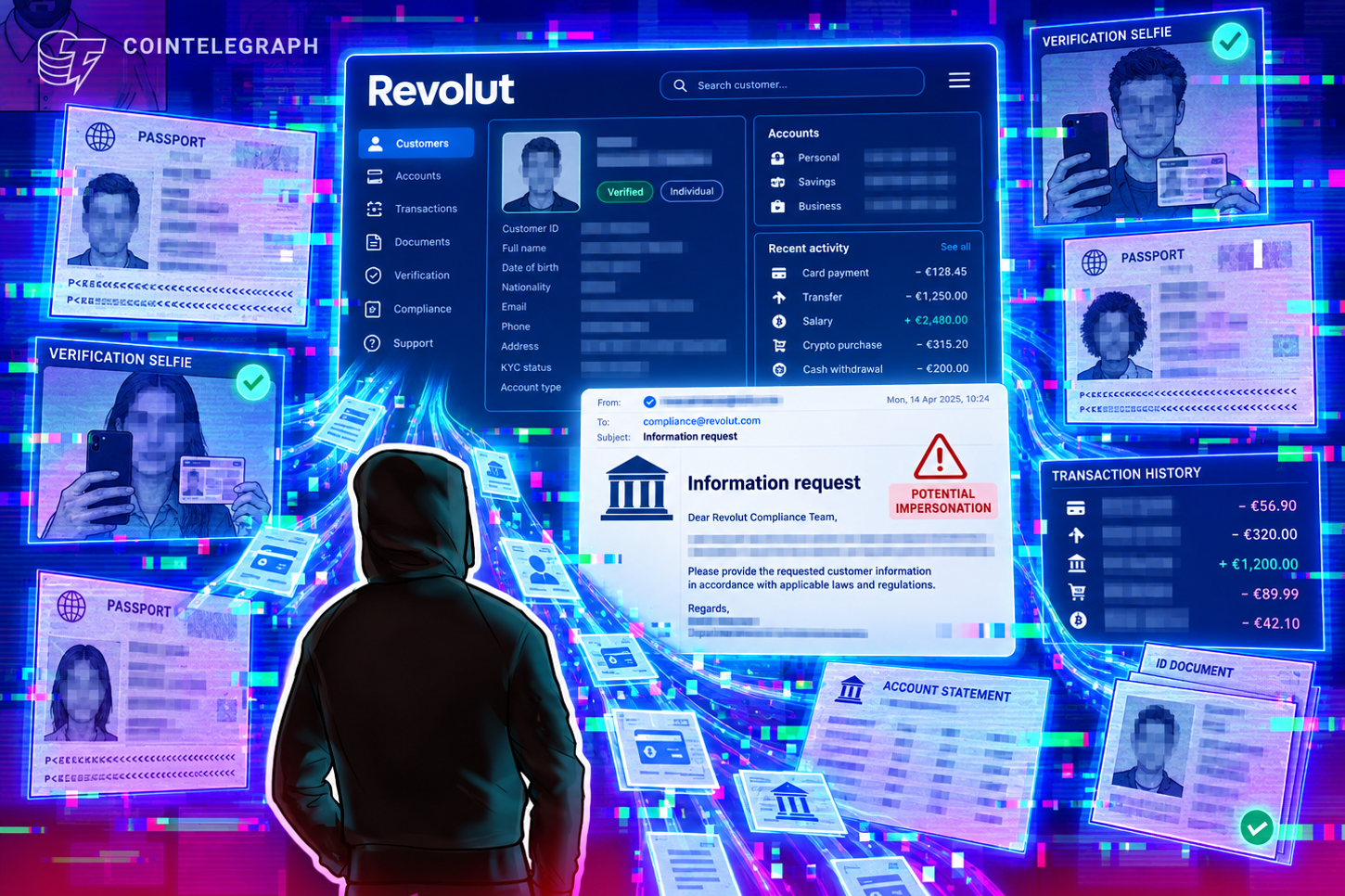
Revolut suffered a data breach after attackers used a spoofed government email domain to trick the company into releasing sensitive customer information.

Revolut disclosed a data breach where attackers used a fake government email to obtain customer passports and Bitcoin transaction records.