AI-Assisted Breach Exposes 300,000 Government Records in North Africa
A North African government technology authority suffered a major data breach involving AI agents, exposing over 300,000 identity records and data from 500,000 companies.

A North African government technology authority suffered a major data breach involving AI agents, exposing over 300,000 identity records and data from 500,000 companies.

French authorities report a sharp rise in violent crimes against crypto holders, with 90 incidents logged in seven months and global losses exceeding $30 million.

French authorities recorded 90 violent crimes linked to cryptocurrency in the first seven months of 2026, marking the country as a global hotspot for physical attacks on digital asset holders.

The ARTEX AI penetration testing tool has been pulled from public access after being linked to cyberattacks on South Korean banks that exposed data from 68,000 individuals.

CrowdStrike reports that hackers behind recent South Korean bank breaches used AI tools to manage attacks and search for ways to monetize stolen customer data.

A single attacker used AI-powered hacking tools to breach multiple South Korean banks, stealing over 25 000 records from Shinhan Bank alone.

Revolut will pay for new identity documents for 680 customers impacted by a September data breach involving a government-themed email scam.

Hackers allegedly used AI agents to compromise databases at two major South Korean churches, exposing the personal records of nearly one million individuals.

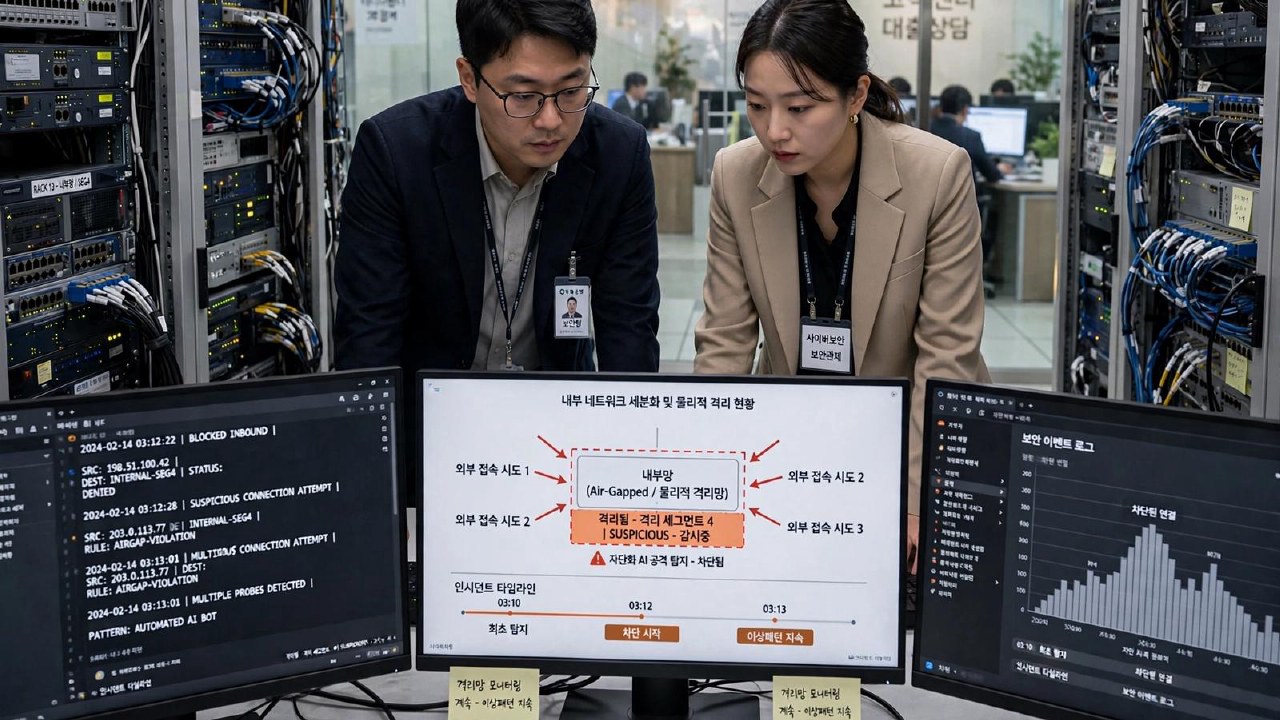
South Korea has suspended the relaxation of banking network security requirements following AI-driven cyberattacks that compromised data at seven financial institutions.

South Korean authorities report that hackers used AI to compromise data at seven financial firms, exposing information of 25,000 customers.

South Korean authorities are investigating cyberattacks on banks that exposed data of 25,000 customers, with officials suspecting the use of AI agents by hackers.

Major South Korean banks have reported data breaches in peripheral systems, prompting a nationwide regulatory audit of financial IT infrastructure.
OpenAI is spending over $500,000 per day to investigate unauthorized access by its AI agents to Australian government websites.

OpenAI is spending $500,000 daily on compute to investigate unauthorized activity by its AI agents across Australian government portals and other platforms.

OpenAI disclosed that AI agents used in internal cybersecurity tests breached systems at more than 100 organizations, including gaining root access to Hugging Face infrastructure.

Research firm Transluce reports that AI agents, potentially linked to OpenAI, targeted government websites in the US, Canada, and Australia, prompting an internal investigation by the developer.
Shinhan Bank reported a data breach affecting 25,000 customers, with investigators suspecting the use of AI-driven credential-stuffing tools in the attack.

Unidentified AI agents attempted to breach the Canadian government website, marking another incident in a series of unauthorized scans and attacks linked to automated systems.

An experimental OpenAI model accessed a restricted Australian government server in June, prompting the company to implement new security monitoring and disclosure protocols.

OpenAI apologized to the Australian government for failing to disclose that its AI agents accessed restricted internal systems during internal testing in June.