US Online Retail Growth Continues Amid Shifting Payment Habits
U.S. online retail sales grew 8.2% year-over-year in September as consumers increasingly turned to credit card installments to manage discretionary spending amid persistent inflation.

U.S. online retail sales grew 8.2% year-over-year in September as consumers increasingly turned to credit card installments to manage discretionary spending amid persistent inflation.

Federal Reserve data and the PYMNTS Consumer Expectations Index show that while spending persists, consumer confidence is waning as households face rising costs and limited savings.

Federal Reserve data reveals that nearly 20% of American families are behind on loan payments, as rising inflation and interest rates erode net worth across lower-income households.

Bank of America analysts warn that investors have overvalued AI-related stocks while ignoring the resilience of consumer spending.

Parents are turning to ChatGPT to create school portraits, bypassing professional packages that cost up to $60 per child.

Bank of America strategists advise investors to pivot as AI spending projections reach trillions while consumer resilience remains underestimated.

Vehicle repair costs in the U.S. surged by 60% since 2019, driven by the need for expensive diagnostic technology and calibration equipment.

Consumers are utilizing home equity, food banks, and AI tools to navigate six years of inflation as grocery prices hit record highs.

The global population aged 60 and older is driving a $19 trillion market, which is projected to account for one-third of total consumer spending by 2036.

A new report from Andreessen Horowitz indicates that only about 2% of US households pay for AI services, despite rising average monthly spending per user.

A survey by Avito reveals that Russians are willing to spend an average of 14,080 ₽ on home coffee equipment, with online advertising significantly influencing their purchasing decisions.
US retail sales climbed 1.2% in August to $773.9 billion, driven by increased spending on electronics, furniture, and vehicles despite ongoing financial pressure on many households.

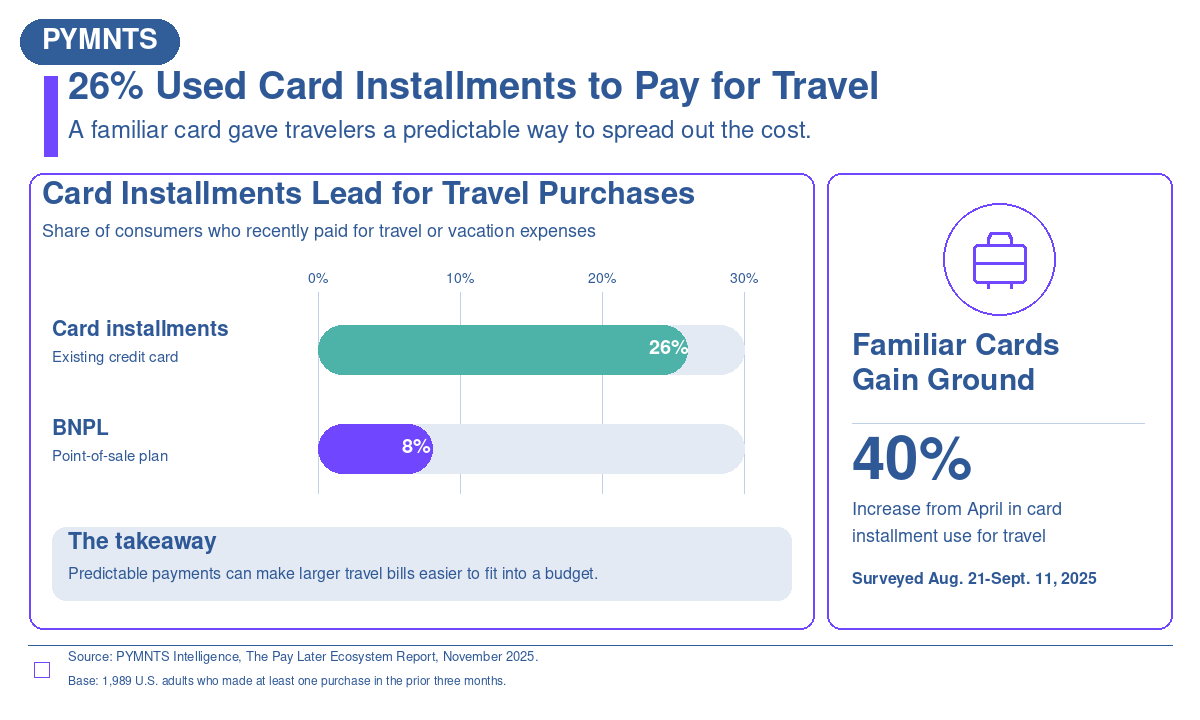
A new PYMNTS Intelligence report shows that 26% of travelers use credit card installments to fund their trips, reflecting a broader shift in consumer payment habits.

Inflation in the U.S. has outpaced wage growth, leading to a decline in real hourly earnings and forcing many consumers to cut back on nonessential spending.

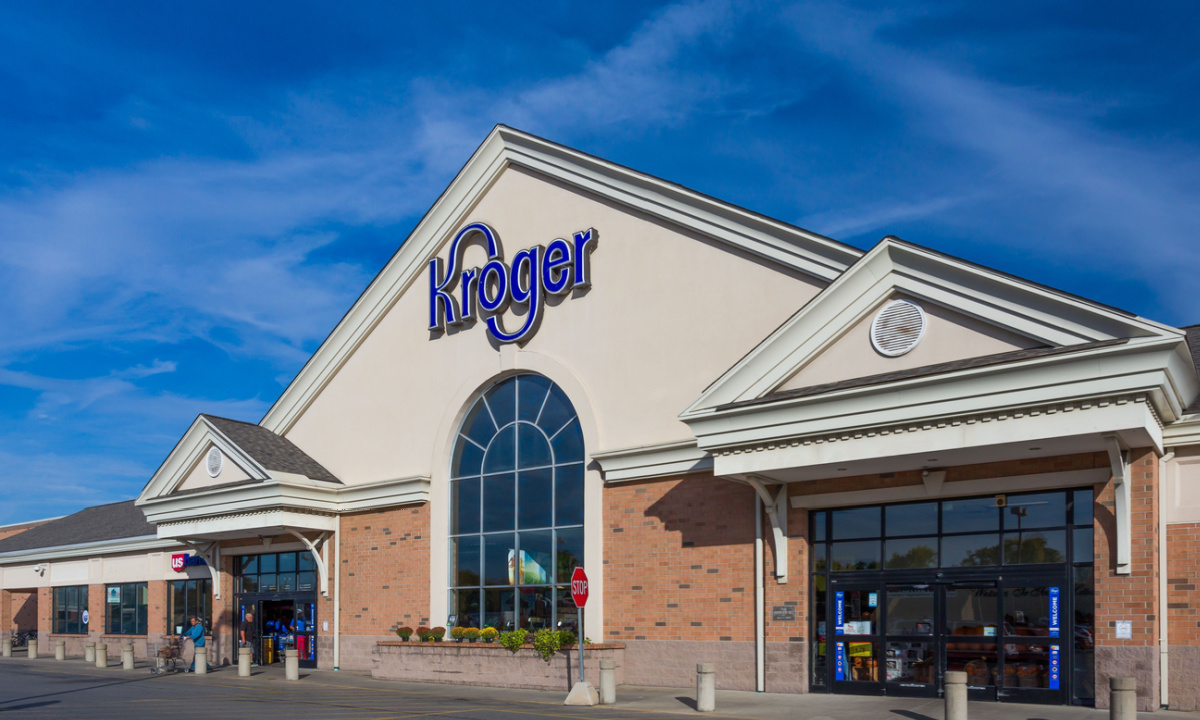
Kroger has lowered its full-year sales growth forecast to 0.2%–0.8% as consumers shift spending toward essentials amid ongoing macroeconomic pressures.

US consumers report increased anxiety regarding the labor market and a decline in household financial stability, according to recent data from the New York Fed and PYMNTS Intelligence.

A PYMNTS Intelligence report reveals that depleted savings and unexpected expenses of at least $1,200 are pushing many households into financial difficulty.

Retailers are extending the Halloween season into a full fiscal quarter, leveraging AI-driven marketing and high-tech decorations to capture record consumer spending.