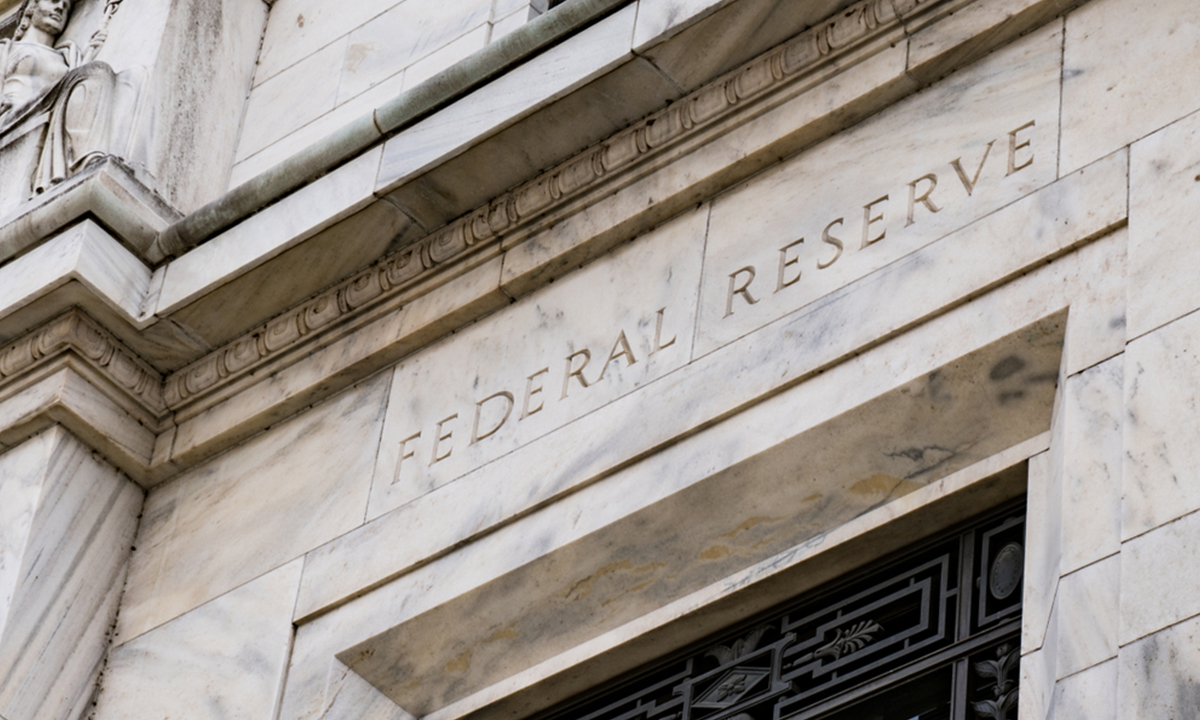
The Federal Reserve October Beige Book indicates that consumer spending remains largely stagnant across most districts. While economic activity grew in nine out of 12 regions, spending momentum is primarily sustained by high-income households. Auto sales in five out of six reporting districts remained flat or saw modest declines.
Regional data highlights shifting consumer behavior. In Atlanta, growth is limited to high-end retail, while discretionary spending has fallen. Kansas City reports that households are increasingly eating at home and trading down in quality. Cleveland noted flat spending, with auto customers reducing vehicle maintenance to essential repairs only.
The PYMNTS Consumer Expectations Index recorded its second consecutive monthly decline, falling 0.7 points to 54.1 in September. The subindex for macroeconomic and buying conditions dropped 2.2 points to 45, falling below the neutral threshold. Across all demographics, 85% of consumers reported an increase in essential expenses over the past year.
Financial vulnerability remains a concern, as 51.8% of consumers state their savings would cover their current lifestyle for three months or less if their income were to stop. Despite stable personal finance assessments, consumers are increasingly cautious, opting to postpone major purchases and reduce discretionary spending due to high energy costs and interest rates.