

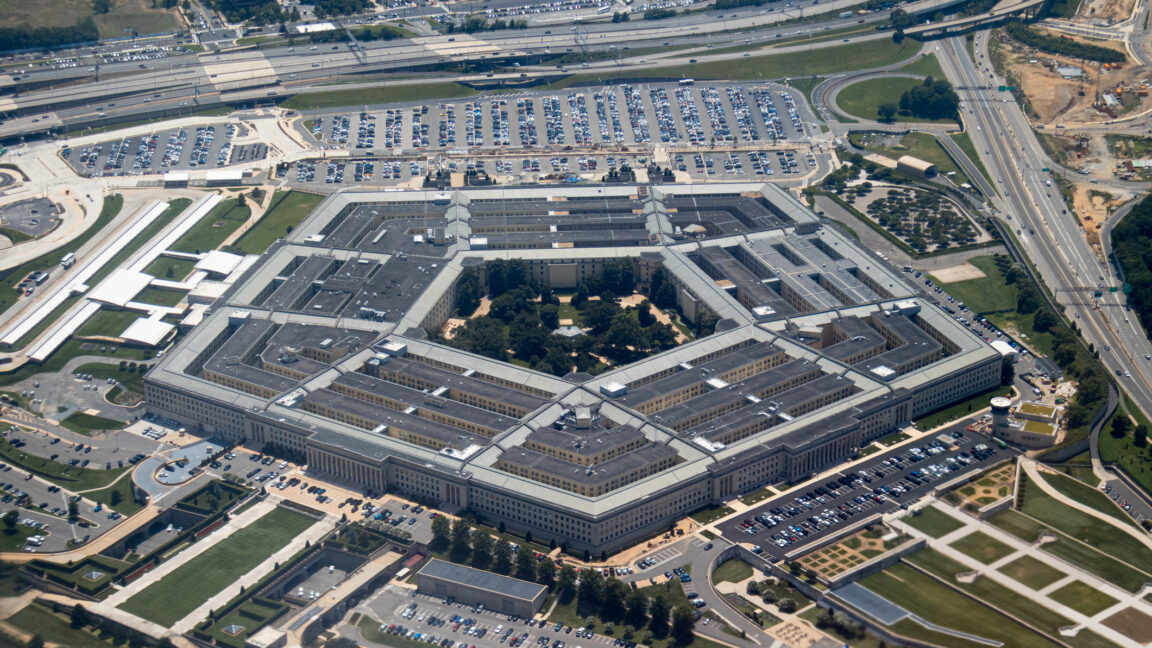
The agreement establishes a transfer of funds from the NIH to the Department of Defense to support the development of medical countermeasures against pandemic influenza, emerging infectious diseases, and chemical, biological, radiological, and nuclear (CBRN) threats.
Congress has allocated $6.6 billion to the National Institute of Allergy and Infectious Diseases (NIAID) for 2026. The agreement is scheduled to run for ten years.
While the exact amount of the transfer is not specified, Nature reporting indicates the Department of Defense sought up to a third of the NIAID budget, while being told to settle for approximately 10 percent.
The 2026 Defense budget is roughly a trillion dollars, but it is currently under strain due to the conflict with Iran. Meanwhile, the NIH has struggled to issue sufficient grants to utilize its allocated congressional funding.
Critics, including Senator Patty Murray, suggest the agreement serves as a transfer of money to the Pentagon without congressional approval. Others argue it is part of a long-term strategy to shift biosecurity research from the NIH to the Pentagon.
The deal involves using NIH funds to support research that NIH leadership has explicitly rejected, such as pandemic preparedness and biodefense research, which they previously called for dropping from the agency's remit in favor of focusing on current infectious diseases.