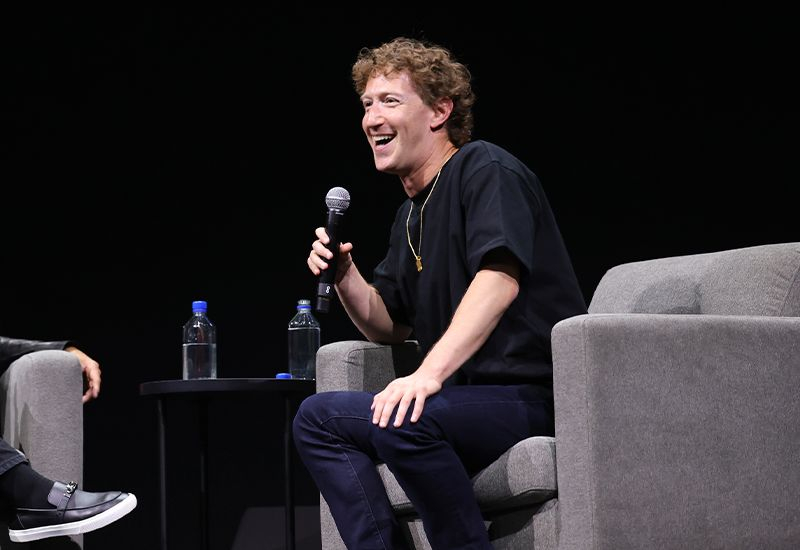
Meta CEO Mark Zuckerberg has publicly opposed the initiative to intentionally slow down artificial intelligence development for safety reasons. He argues that AI labs are already responsible enough to manage safety protocols independently, driven by market competition and the risk of liability.
Zuckerberg stated that companies prioritize safety as a core operational requirement, noting that Meta previously delayed the release of its Muse AI agent to implement additional safeguards. He emphasized that failing to focus on regulation would cause labs to fall behind, as trust becomes a key differentiator for AI models.
The Meta executive noted that the company focuses its computing resources on practical user tasks rather than self-improving systems. Meta's Superintelligence Labs unit currently engages third-party experts to evaluate its developments, a practice Zuckerberg suggests should be standard across the industry.
The debate has drawn attention from US officials, with President Donald Trump opposing development slowdowns, citing national security concerns regarding China. Meanwhile, FTC Chair Andrew Ferguson criticized AI companies for lobbying for antitrust exemptions while simultaneously advocating for new industry-wide restrictions.
Reports indicate that Anthropic CEO Dario Amodei recently approached the FTC to request permission for competing firms to coordinate on slowing AI development. This proposal is currently being challenged by industry leaders who argue that centralized regulation is unnecessary.