

Xiaomi's proprietary Xuanjie O3 chip has been identified as supporting the BCn block compression texture format series, ranging from BC1 to BC7. This technical capability was confirmed via a Vulkan feature report, which highlights the chip's ability to handle sampling, bitmap transfers, and data transfers for all BCn subtypes.
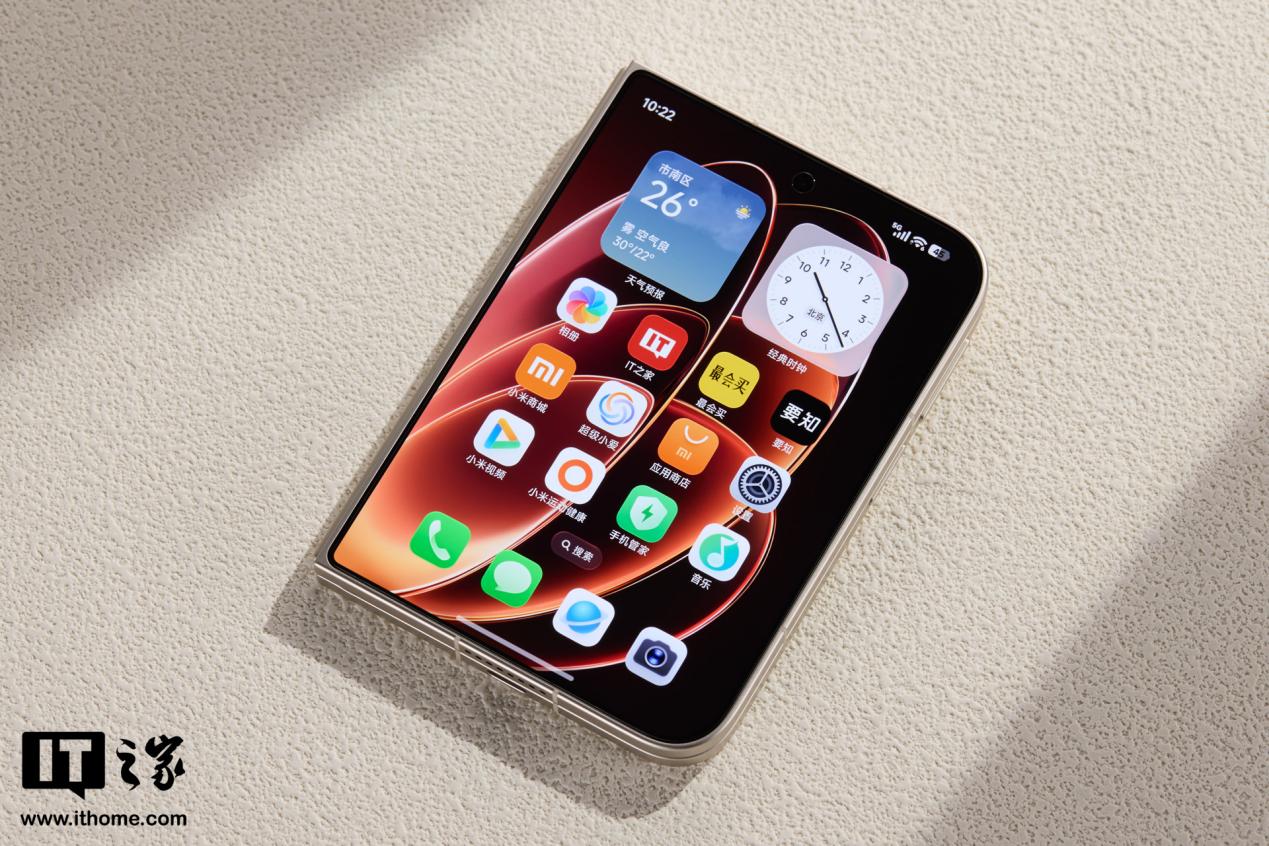
The Xiaomi 18 Fold, identified by model number 2608BPX34C, is confirmed to utilize this support. Given that the Xiaomi Pad 9 Pro Max also incorporates the Xuanjie O3 chip, it is expected to share these same capabilities. This development is notable as BCn support is uncommon in standard Arm Mali GPU IP, with MediaTek Dimensity and Google Tensor chips currently lacking it.
The integration of BCn formats is primarily significant for running PC games on mobile devices. By allowing the GPU to decode textures directly, the system can reduce memory bandwidth usage, power consumption, and potential stuttering when using compatibility layers like Winlator or Proton. This bypasses the need for CPU-based software decompression.
While BCn support is standard in PC and console gaming, it is rarely utilized in native Android environments, which typically rely on ASTC and ETC2 formats. Consequently, users will not notice performance differences in standard mobile applications such as social media, web browsing, or video streaming.



