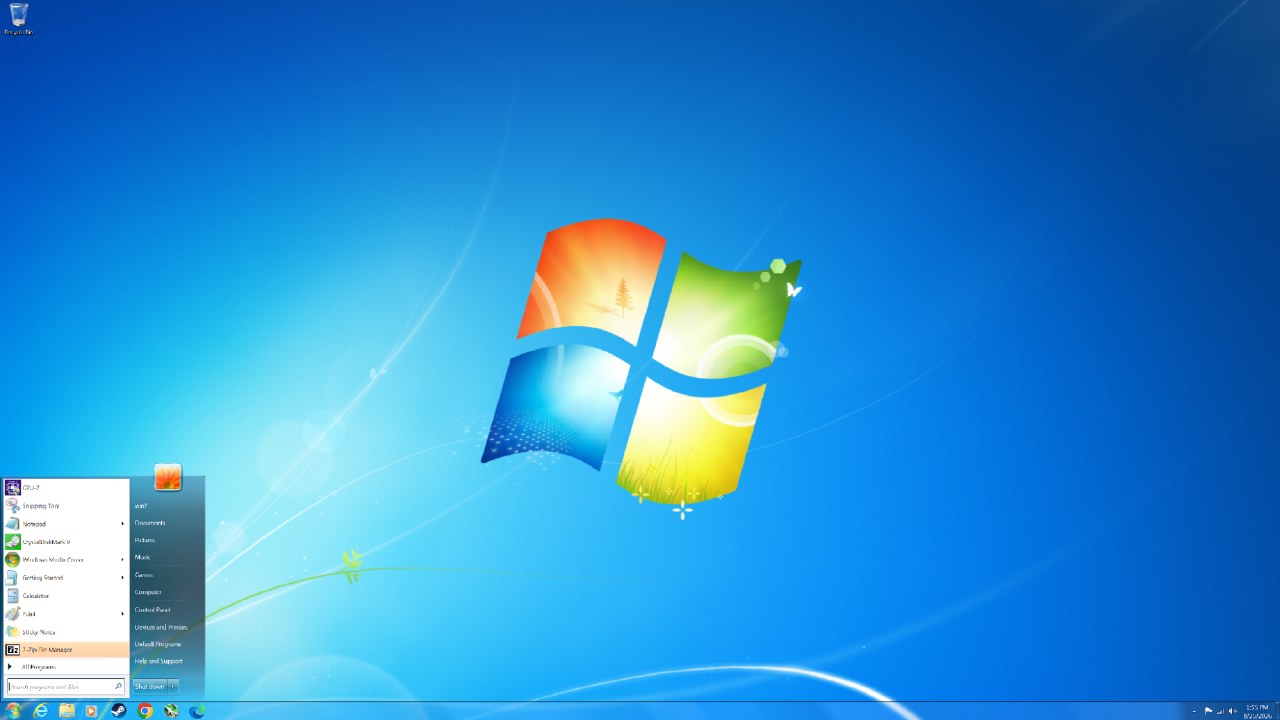
Tom's Hardware compared gaming performance on a modern system running Windows 7 and Windows 11. The test setup utilized an AMD AM5 platform and an RDNA 2 graphics card, as Windows 7 lacks native support for modern chipsets and requires manual driver integration for NVMe and USB 3.0.
The testing included ten games, eight using DirectX 11 and two using DirectX 9. For the Windows 11 system, DirectX 9 titles were processed via the D3D9On12 mapping layer, whereas Windows 7 ran them natively. Researchers disabled Secure Boot and enabled CSM for Windows 7, while disabling VBS and HVCI for Windows 11.
Results indicate that Windows 7 performs better in CPU-limited scenarios due to lower background overhead. Conversely, Windows 11 demonstrates superior performance in GPU-limited tasks, benefiting from a more advanced graphics driver codebase. Windows 7 showed significant advantages in DirectX 9 titles.
The study highlights that while Windows 7 offers more consistent frame pacing in CPU-bound situations, modern hardware limitations make it difficult to run, requiring legacy boot support. Windows 11 remains the standard for modern systems despite higher background telemetry and service activity.