Microsoft has introduced performance optimizations in Windows 11 to improve the experience on devices with 8GB of RAM. According to Pavan Davuluri, EVP of Windows and devices, the latest updates make the operating system up to 20% more responsive, with multitasking performance increasing by up to 40% in lab tests.
The core of the improvement lies in memory management. Windows can now retain up to 2GB more active data in RAM, reducing the need to offload data to slower SSD storage. This change decreases the frequency of hard page faults, which previously caused system slowdowns and forced background browser tabs or apps to reload.
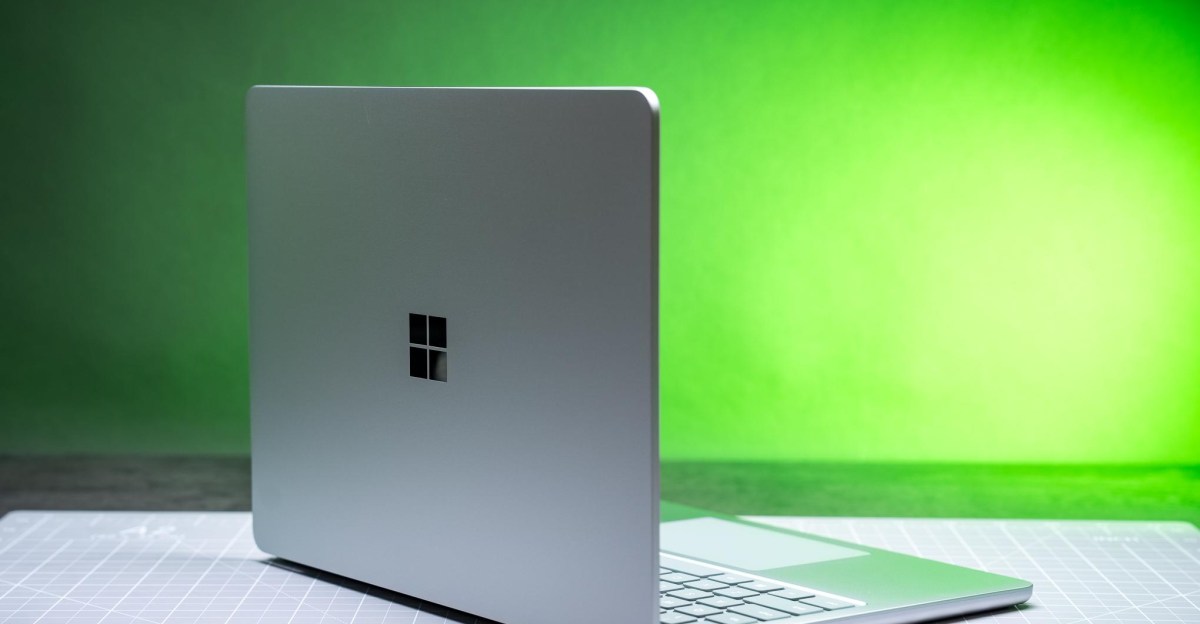
Testing on a 13-inch Surface Laptop with 8GB of RAM confirmed these improvements. Before the update to build 26300.9974, the device experienced up to 29,000 hard faults per second under load. After the update, hard faults during normal operation dropped to under 300 per second, with occasional spikes to 1,000.
While the update improves stability and responsiveness, the system still faces limitations under heavy multitasking. Even with the optimizations, the author noted that Chrome could still crash when running dozens of tabs. Experts continue to recommend 16GB of RAM for users seeking long-term performance headroom.