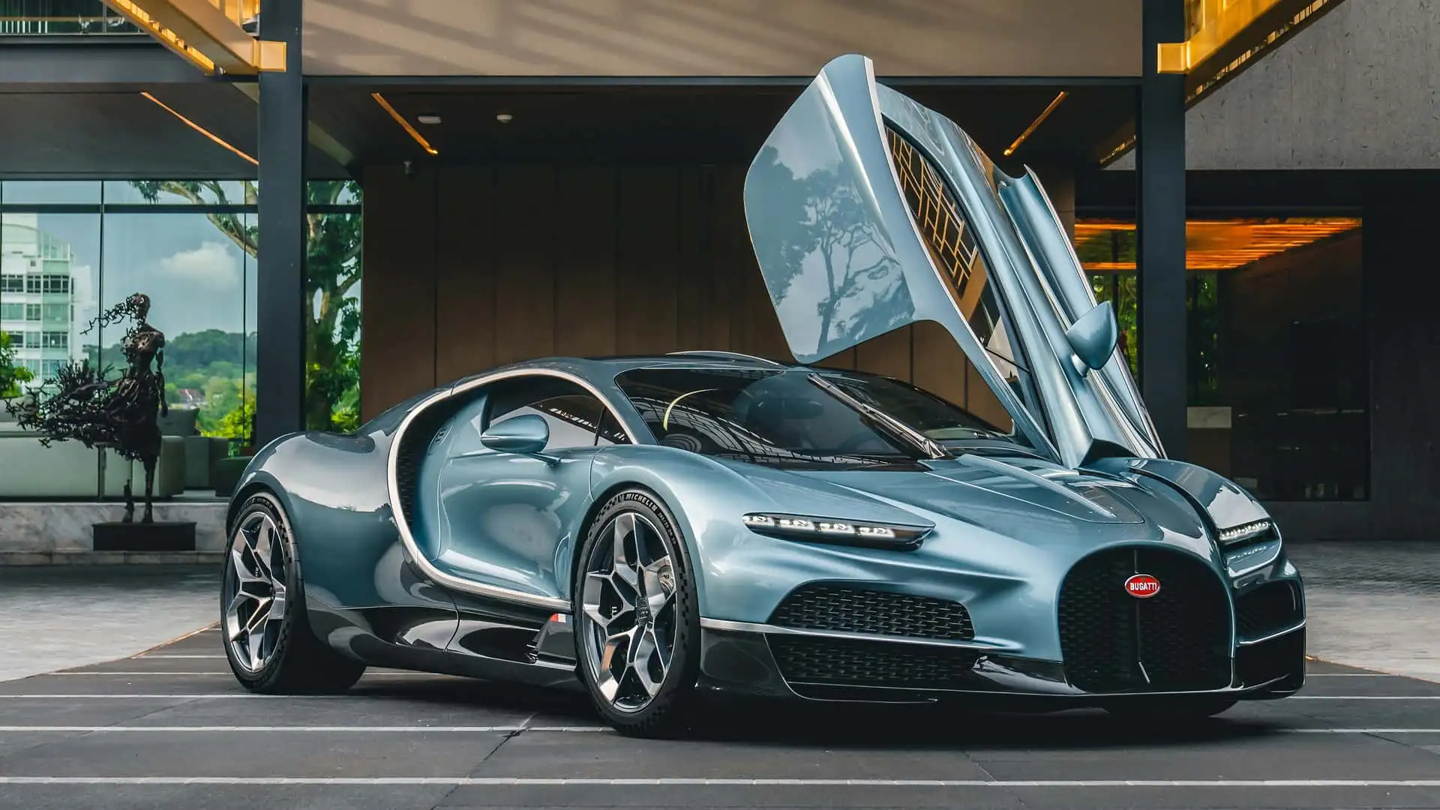
Volkswagen Group initially intended for the successor to the Bugatti Chiron to be a fully electric vehicle. This strategy aligned with the group's broader electrification efforts following the diesel emissions scandal. Mate Rimac, CEO of Bugatti Rimac and founder of Rimac Group, opposed this direction, arguing that the market for ultra-expensive electric hypercars is limited.
Instead of utilizing the existing electric platform from the Rimac Nevera, which features all-wheel drive and a top speed of 400 km/h, Rimac chose to develop a new vehicle from scratch. He noted that while rebranding the Nevera would have been the fastest and most cost-effective solution, it would not have provided the distinct character required for a new Bugatti flagship.
The decision to prioritize a plug-in hybrid system featuring a naturally aspirated V16 engine developed by Cosworth was influenced by the sales performance of the Nevera. Although the Nevera is capable of 1914 horsepower, only 71 units have been sold out of a planned production run of 150 vehicles, signaling a shift in demand among wealthy buyers.
The resulting model, the Bugatti Tourbillon, combines electric technology with the mechanical appeal of a 16-cylinder engine. Mate Rimac emphasized that for top-tier hypercar customers, emotional value and rarity are as critical as raw performance. The company now operates with independence and has a product roadmap planned for the next decade.