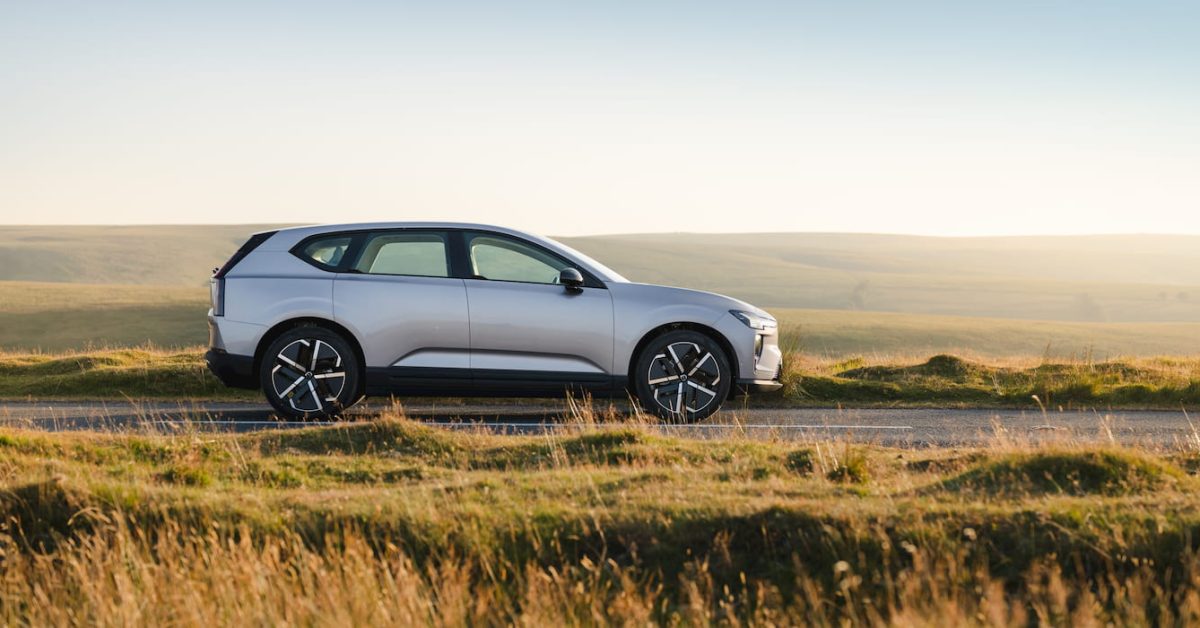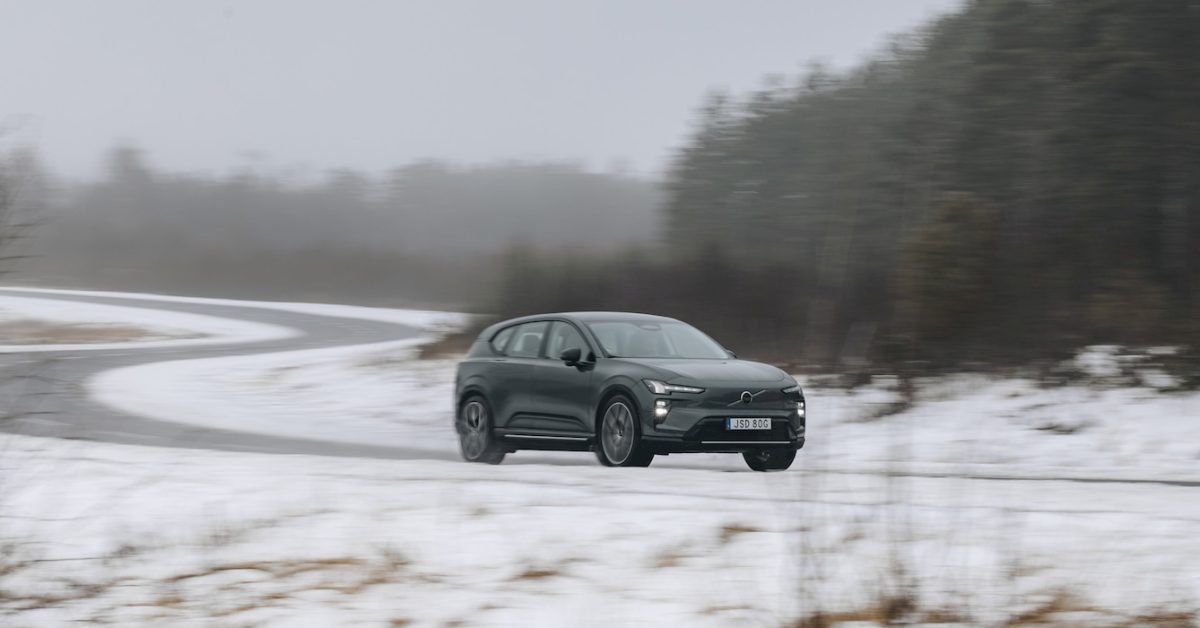
Volvo has secured over 50,000 orders for the EX60 model in Europe since production started in April. Despite high demand, the company has manufactured only about 5,000 units to date. The production delays are attributed to the implementation of new industrial technologies, including the cell-to-body battery design and the transition to the SPA3 platform.
The company reported a loss of SEK 3,7 billion in the third quarter, with an EBIT margin of -5,6%. To address financial challenges, Volvo is cutting approximately 2,500 jobs globally, with 2,000 positions affected in Sweden. CEO Håkan Samuelsson noted that the firm is operating in a difficult environment characterized by intense competition and de-globalization.
In the United States, customer deliveries for the EX60 have been delayed. While Volvo initially aimed to sell 7,000 units in the US by the end of 2026, current projections suggest significantly lower figures. The automaker expects to increase inventory distribution to American dealers in early 2027 as part of its broader turnaround and cost-reduction strategy.
The SPA3 platform is central to Volvo's long-term plan to lower production costs and improve profit margins. The company intends to launch 13 new vehicle models by the end of 2030. These efforts are part of a wider restructuring aimed at improving cash flow and lowering the company's break-even point.