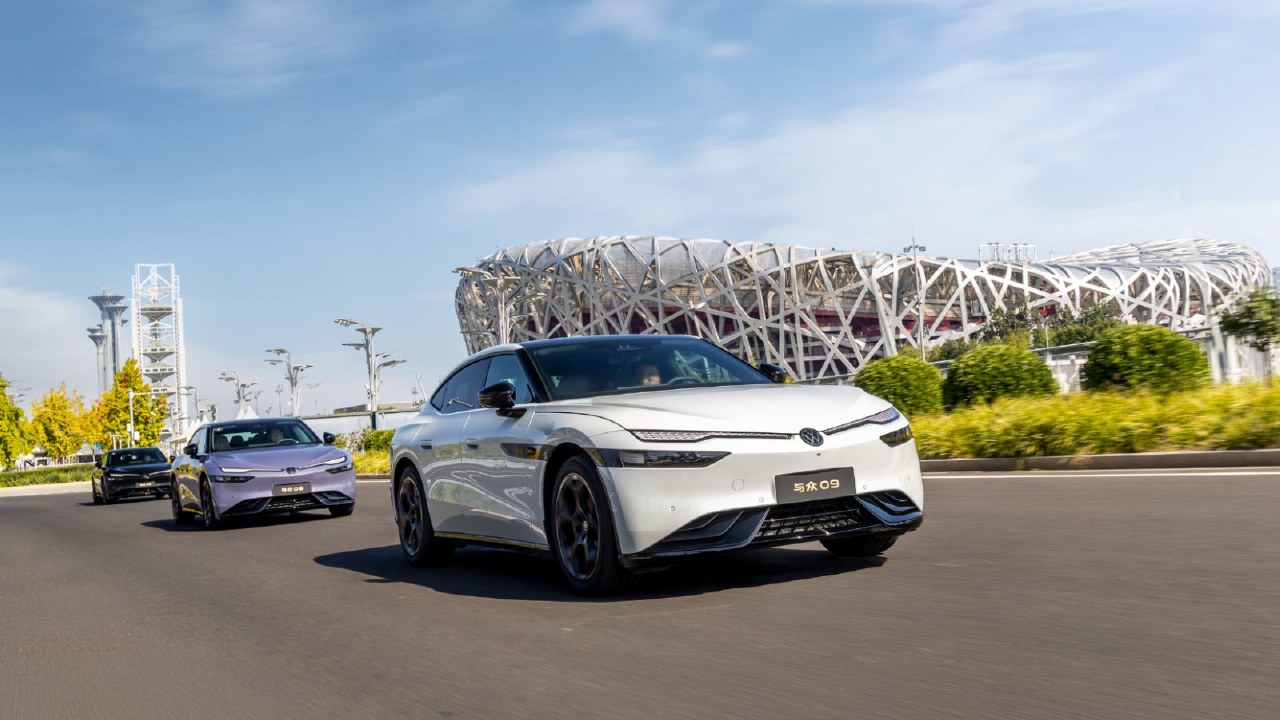
Volkswagen is evaluating the integration of the China Electronic Architecture (CEA), developed in collaboration with Xpeng, into its European vehicle lineup. The proposal, which covers approximately 75% of next-generation models from the Volkswagen, Skoda, and Cupra brands, is scheduled for presentation to group management by brand chief Thomas Schaefer.
The initiative aims to address significant cost pressures in mainstream vehicle segments. Internal estimates suggest that adopting the Chinese architecture could result in savings ranging from €4 billion to €5 billion. These platforms are intended for future electric models, including the ID. Golf, ID. Passat, and Skoda Enyaq.
The potential shift could impact Volkswagen's existing software strategy, which currently relies on a separate partnership with the US-based electric vehicle maker Rivian. The Rivian collaboration involves an investment of $5.8 billion, and internal concerns exist regarding how the introduction of Chinese technology might affect the role of the US partner and cost-sharing arrangements.
Volkswagen and Xpeng initiated their partnership in July 2023 with a $700 million investment. In August 2025, the scope of the cooperation was expanded to include internal combustion engine and plug-in hybrid platforms in China. Proponents note that the architecture is already operational and could support existing European platforms, though critics cite potential technical risks and adaptation costs.