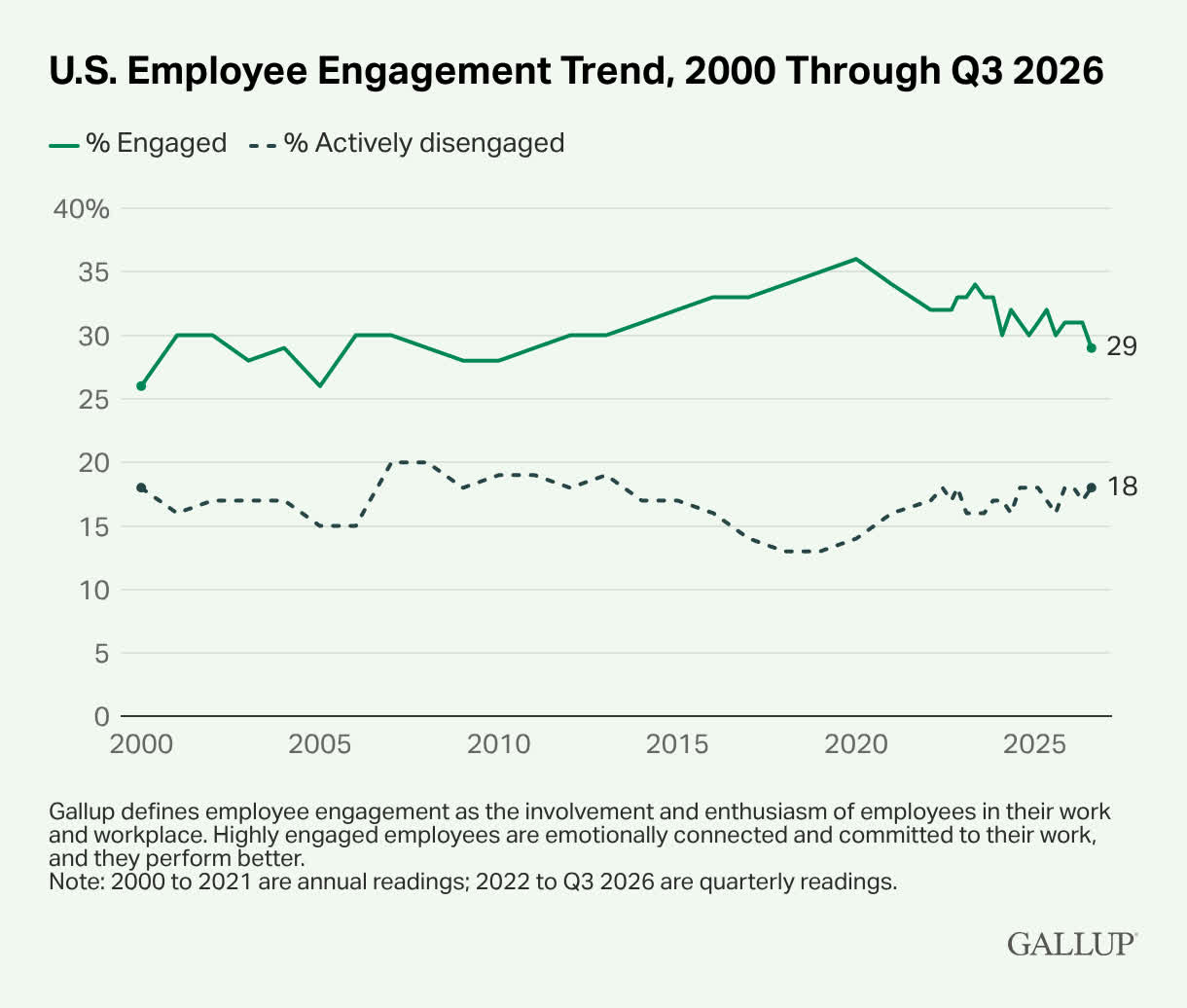
A recent survey indicates that employee engagement and enthusiasm in the United States are on a steady decline. Less than one-third of American workers report staying actively engaged in their roles, a figure that continues to drop while the number of employees feeling detached from their work is rising.
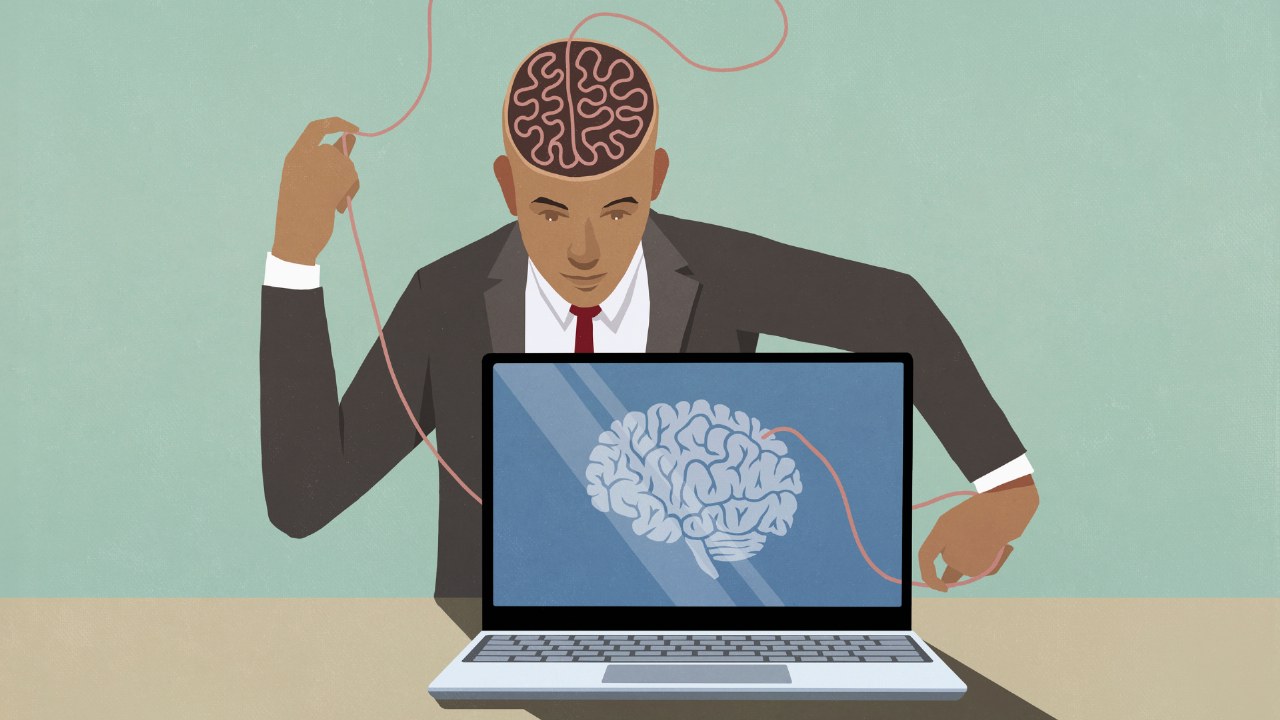
Artificial intelligence is identified as a key factor affecting workplace sentiment. Many employees fear that the rapid deployment of AI tools across industries will alter job structures and threaten long-term employment. Those who feel anxious about AI automation are significantly more likely to experience job insecurity and reduced motivation.
Remote work policies also contribute to workplace instability. While flexible arrangements are popular for work-life balance, corporate mandates to return to the office have sparked dissatisfaction. Employees with higher autonomy report greater satisfaction, whereas those forced to change their work patterns show increased negativity.
Trust issues between management and staff are intensifying, fueled by concerns over excessive monitoring and heavy workloads. Younger employees are particularly sensitive to corporate culture and flexibility, while senior staff are more focused on job stability and the risks posed by AI-driven job displacement.