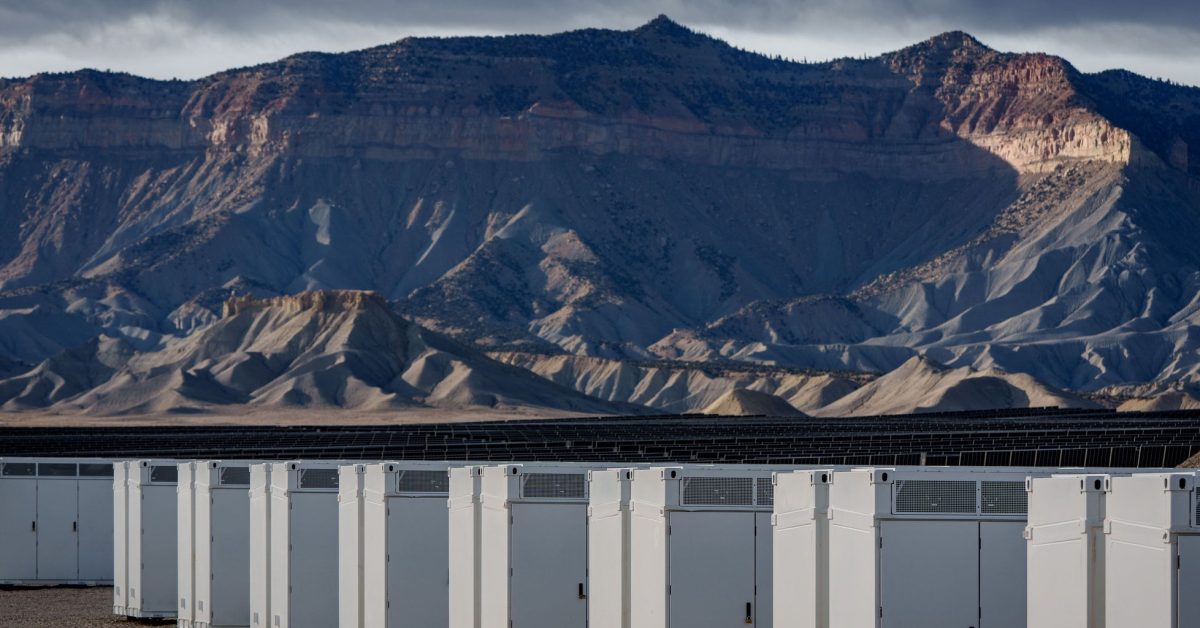
In the second quarter of 2026, the US solar industry reached a milestone with enough installed capacity to power over 50 million homes. This figure represents more than one-third of all households in the country, based on industry calculations of average electricity consumption.
During the second quarter of 2026, the sector added 11.4 gigawatts of new capacity. Utility-scale projects drove this growth, contributing 9.6 gigawatts, which marks a 61% increase compared to the previous year. Developers accelerated these projects to meet a July 2026 deadline for federal tax credits.
Solar and battery storage accounted for 70% of all new power capacity added in the US during the first half of 2026. States that voted for Donald Trump in 2024 were responsible for 71% of all new solar installations during this period, with eight of the top ten states being Republican-leaning.
Wood Mackenzie projects that the US will add approximately 44 gigawatts of solar capacity annually through 2031. This growth trajectory is expected to nearly double the total national solar capacity over the next five years, despite challenges related to permitting and the expiration of residential tax credits.
The federal Residential Clean Energy Credit, which previously covered 30% of costs for home solar and battery systems, expired at the end of 2025. Analysts anticipate that the residential solar market will return to growth in 2027 as consumers seek to reduce utility bills and improve energy resilience.