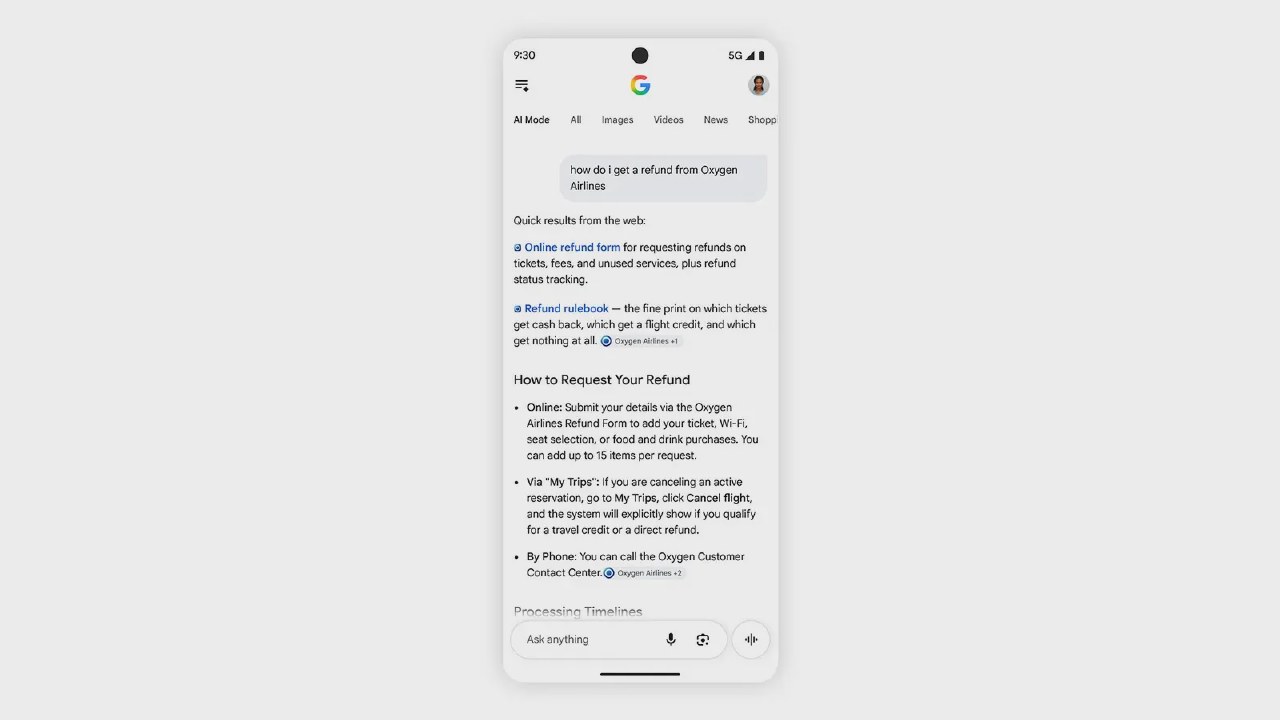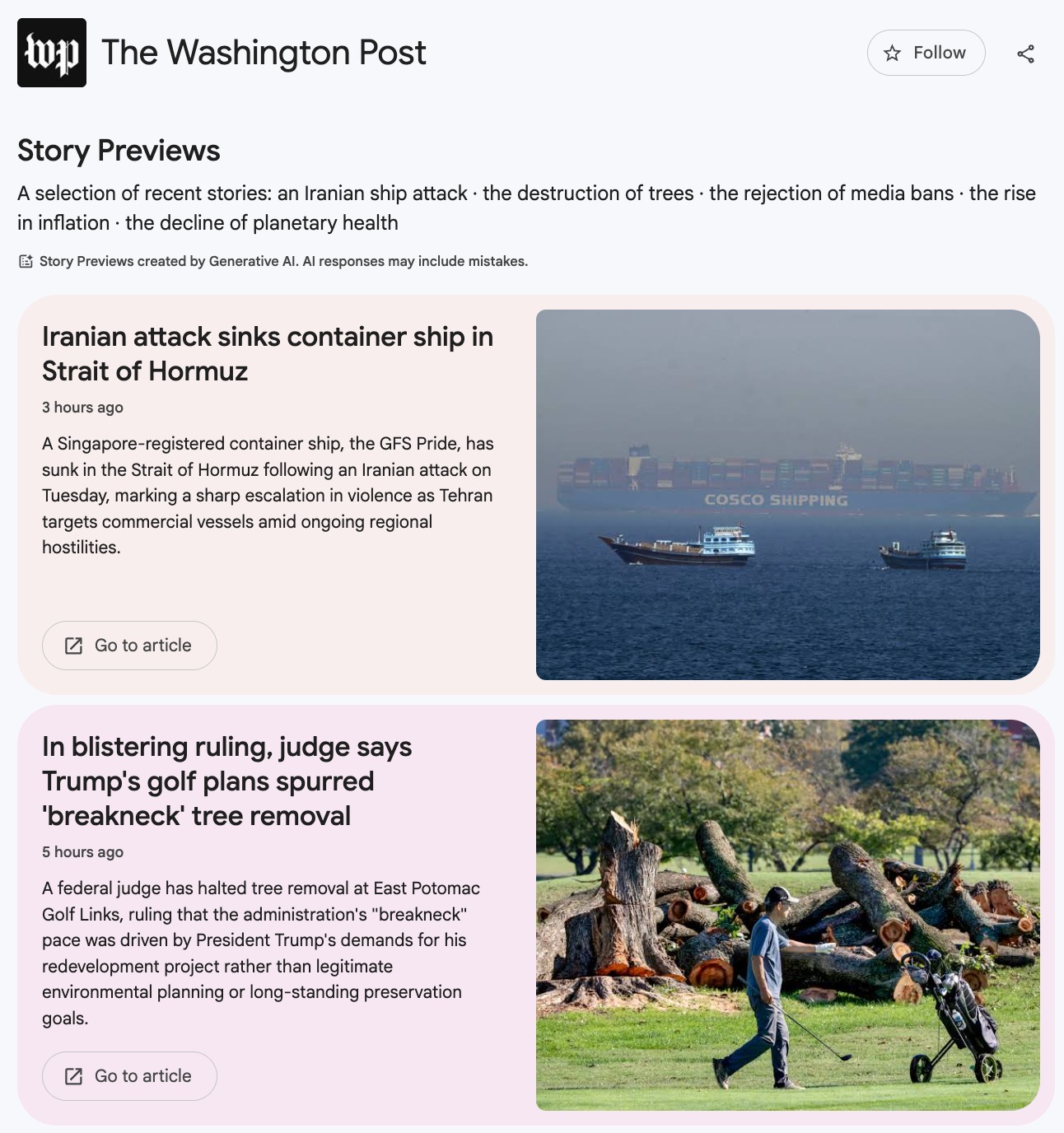
The US District Court for the District of Columbia dismissed antitrust lawsuits filed by Chegg and Penske Media Corporation against Google. The plaintiffs argued that Google's AI Overviews feature reduces traffic to their websites and negatively impacts advertising revenue by generating summaries directly in search results.
Chegg and Penske Media claimed that Google forces publishers into a dilemma: either allow AI processing of their content or risk losing search traffic. They alleged this practice violates US antitrust laws by leveraging Google's dominant position in the search market to change the traditional traffic-for-content business model.
Judge Amit Mehta rejected the antitrust claims, stating that publishers' expectations of receiving search traffic do not constitute a legally binding agreement. The court ruled that Google is not legally obligated to maintain a specific traffic-driving model, even if technological shifts cause economic impact.
The ruling specifically addressed antitrust arguments rather than copyright infringement. The court did not establish a rule regarding the legality of using web content for AI summaries, leaving broader copyright disputes unresolved. Google continues to face separate litigation regarding the use of copyrighted works for training its Gemini model.
Beyond the US, Google faces regulatory scrutiny regarding its search services and AI summaries. For instance, the UK Competition and Markets Authority has implemented conduct requirements for Google concerning publishers, highlighting ongoing international debates over the relationship between search engines and content providers.