The author introduces MEO, or Multiple Engine Optimization, as a conceptual framework rather than an industry standard or a set of technical instructions. This model addresses the challenge of managing brand visibility across diverse platforms, as there is no longer a single universal algorithm that determines how products or pages are presented to users.
The article identifies at least eight distinct classes of algorithms that currently influence digital visibility. Each of these classes operates with unique mechanics for entity extraction, ranking, and representation, requiring specific technical approaches to influence outcomes effectively.
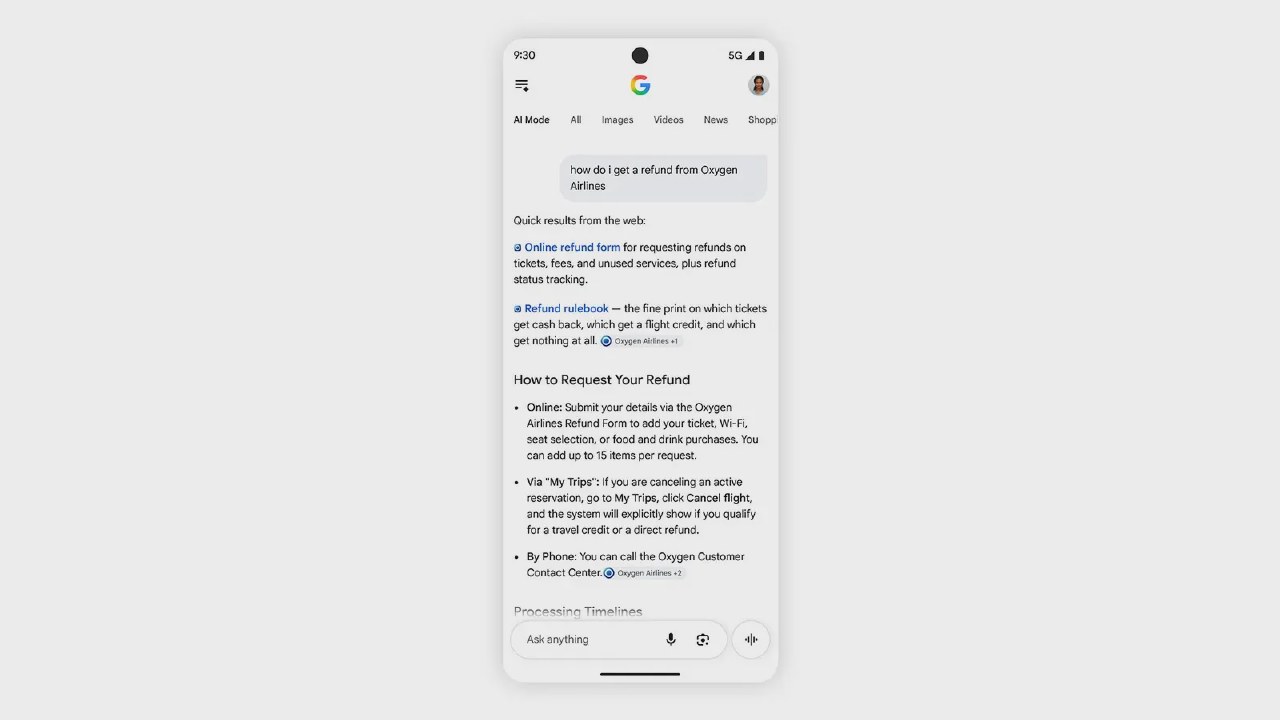
Traditional search engines rely on inverted indexes and ranking models based on signals like backlink profiles, user behavior, and query relevance. In contrast, generative AI systems utilize parametric knowledge embedded during pre-training or Retrieval-Augmented Generation (RAG) to synthesize answers.
The author emphasizes that generative systems require different optimization strategies compared to traditional search. While classic engines prioritize document relevance, generative models rely on vector or hybrid search to retrieve context before generating a response, necessitating a shift in how brands manage their digital presence.