

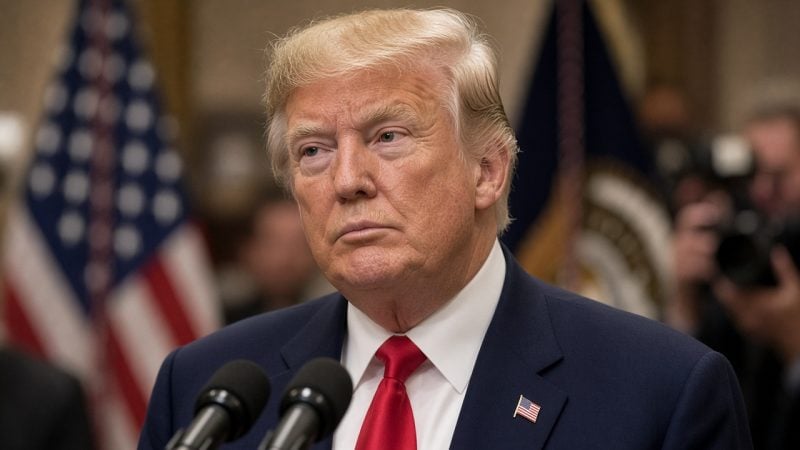
President Donald Trump introduced the White House Accord on Super Intelligence, also known as the Joint Commitment on Frontier Responsibilities, on September 29, 2026. The agreement is non-binding and relies on industry self-policing, lacking enforcement mechanisms or penalties for non-compliance.
The accord proposes four layers of control for AI companies: internal cybersecurity and biosecurity measures, internal verification teams, independent external audits, and board-level oversight committees. Attendees included leaders from Anthropic, OpenAI, Google, Meta, Nvidia, and Elon Musk.
Lawmakers, including Senator Mark Warner and Representative Ro Khanna, have criticized the voluntary nature of the framework. They advocate for mandatory testing, evaluation, and incident reporting requirements, reflecting bipartisan pressure in Congress for more rigorous AI regulation.
The administration also signed an executive order on September 29, 2026, requiring federal agencies to use the term Super Intelligence in official contexts. This follows a June 2026 executive order focused on AI cybersecurity, which the new accord aims to build upon.


