

The Trump administration is shifting its AI safety strategy toward legal liability, focusing on whether developers or end-users should be held accountable for damages caused by AI models. Treasury Secretary Scott Bessent and former White House AI lead David Sacks advocate for using existing liability laws rather than introducing new regulatory frameworks.
A newly formed AI task force, led by Director of National Intelligence Jay Clayton, issued a warning to developers last Friday. The group mandates that companies must report and remediate security incidents immediately. Failure to disclose events or inadequate corrective actions will not be tolerated, according to the task force, known as the Super Intelligence Force.
Legal experts note that current product liability and cybersecurity laws may be insufficient to address damages caused by autonomous AI agents. There is currently no legal precedent to define the duty of care for developers or the extent of user liability when AI systems make unvetted decisions. The ambiguity complicates the adoption of AI in sectors like finance and aviation.
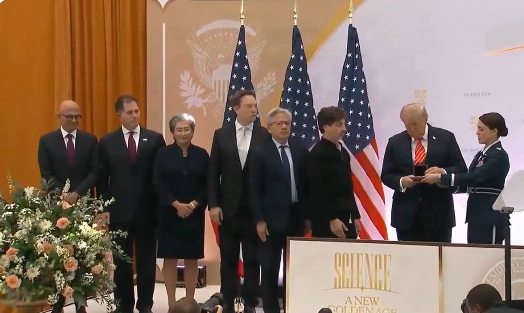
Despite the push for accountability, the administration maintains a preference for industry self-regulation. President Trump recently met with approximately twenty Silicon Valley leaders to promote internal safety controls through non-binding agreements. The outcome of these liability debates could impact future capital market plans for major industry players like OpenAI and Anthropic.


