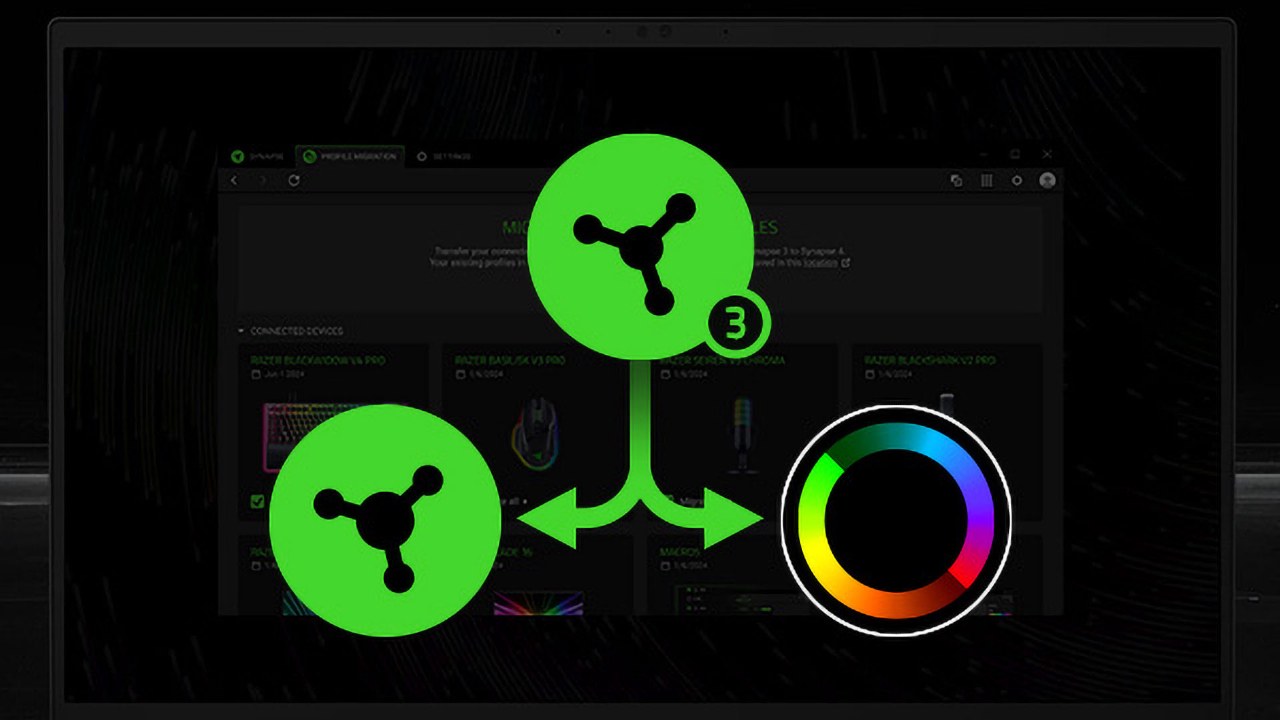
Microsoft is actively working on memory efficiency in Windows 11, but third-party software remains a significant challenge. A recent case highlights how Razer Synapse and Chroma software can consume approximately 2GB of RAM, creating performance bottlenecks on systems with 8GB of memory.
The user identified 25 active instances of the RazerAppEngine service, totaling 2044MB of memory usage. To mitigate this, the user manually disabled these services to free up system resources, noting that such technical adjustments are often beyond the capabilities of average users.
Attempts to switch to alternative software like OpenRGB were met with stability issues, including frequent crashes upon startup. Another alternative, SignalRGB, was rejected by the user due to its mandatory Google account login requirement.
This situation underscores the ongoing debate regarding resource management in the Windows ecosystem. Experts suggest that Microsoft must encourage third-party developers to optimize their software and reduce unnecessary background processes to improve the overall user experience.