Stock tickers originated in 1867 with the invention of the telegraphic stock printer by Edward Callahan. Unlike the cryptocurrency market, traditional financial exchanges enforce strict, legally binding uniqueness for these symbols. Regulators like the SEC ensure that no two issuers share the same ticker, providing institutional trust for investors.
In contrast, the crypto industry lacks a centralized registry for asset identifiers. Projects choose their own symbols, leading to frequent duplications and confusion. For instance, over 300 tokens on the Ethereum network use 'BTC' as a ticker, while different projects often share the same code on various exchanges, complicating asset identification.
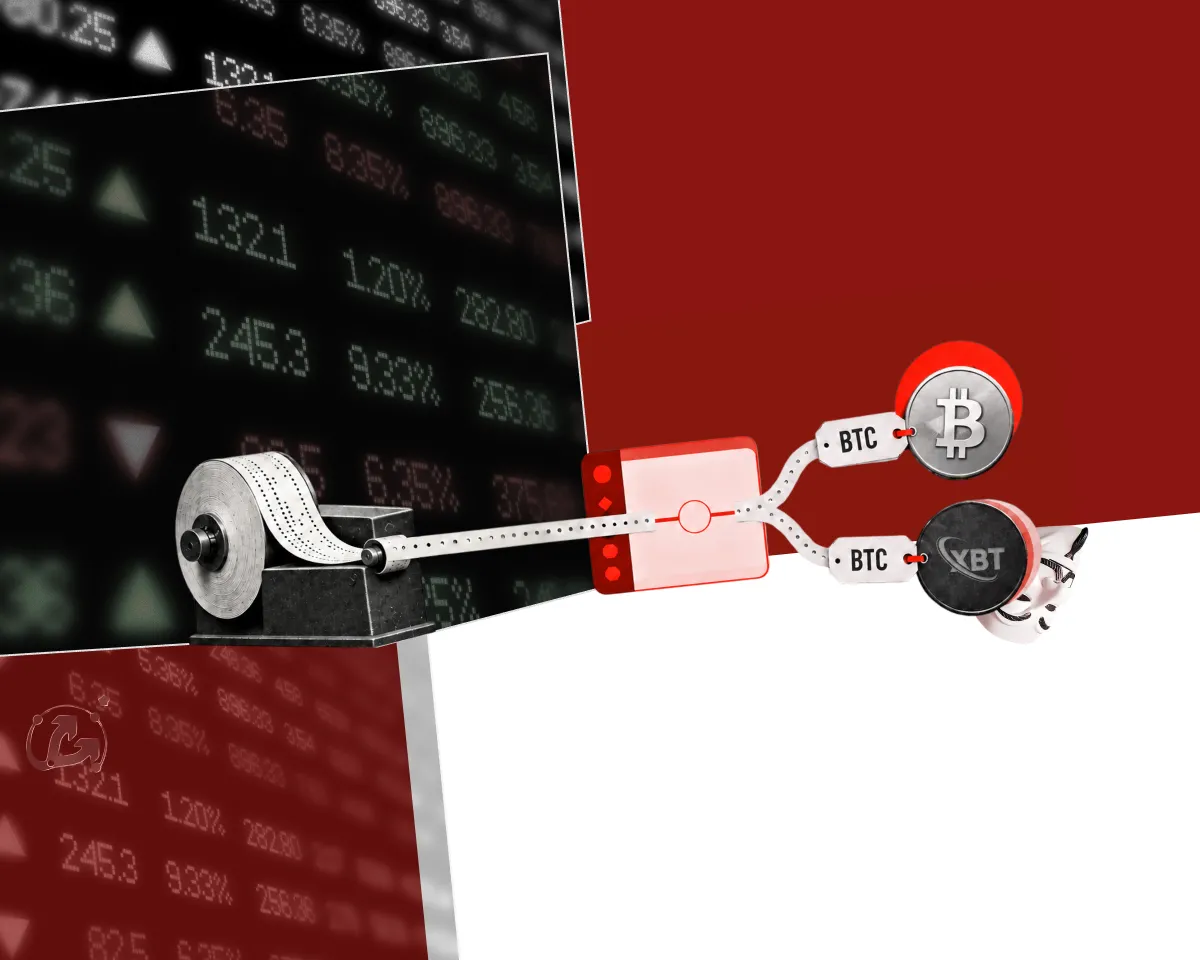
Some industry participants advocate for the adoption of ISO 4217 standards, which use an 'X' prefix for non-national assets, such as 'XBT' for Bitcoin. While platforms like Bloomberg and Kraken have utilized this format, it remains controversial as some argue it creates visual confusion. No universal consensus on ticker standardization currently exists in the crypto space.
The lack of ticker uniqueness facilitates fraudulent schemes, including token spoofing and fake airdrops. Attackers often create tokens with names or tickers of highly anticipated projects, distributing them to wallets before the official launch. Bitquery reports that such fake airdrops caused approximately $3 million in losses in 2026, affecting 2,567 wallets.
To mitigate risks, experts advise users to rely solely on smart contract addresses from official project sources rather than tickers. Users are cautioned against interacting with unsolicited tokens appearing in their wallets and are encouraged to verify pool details on decentralized exchanges to avoid falling victim to deceptive financial schemes.