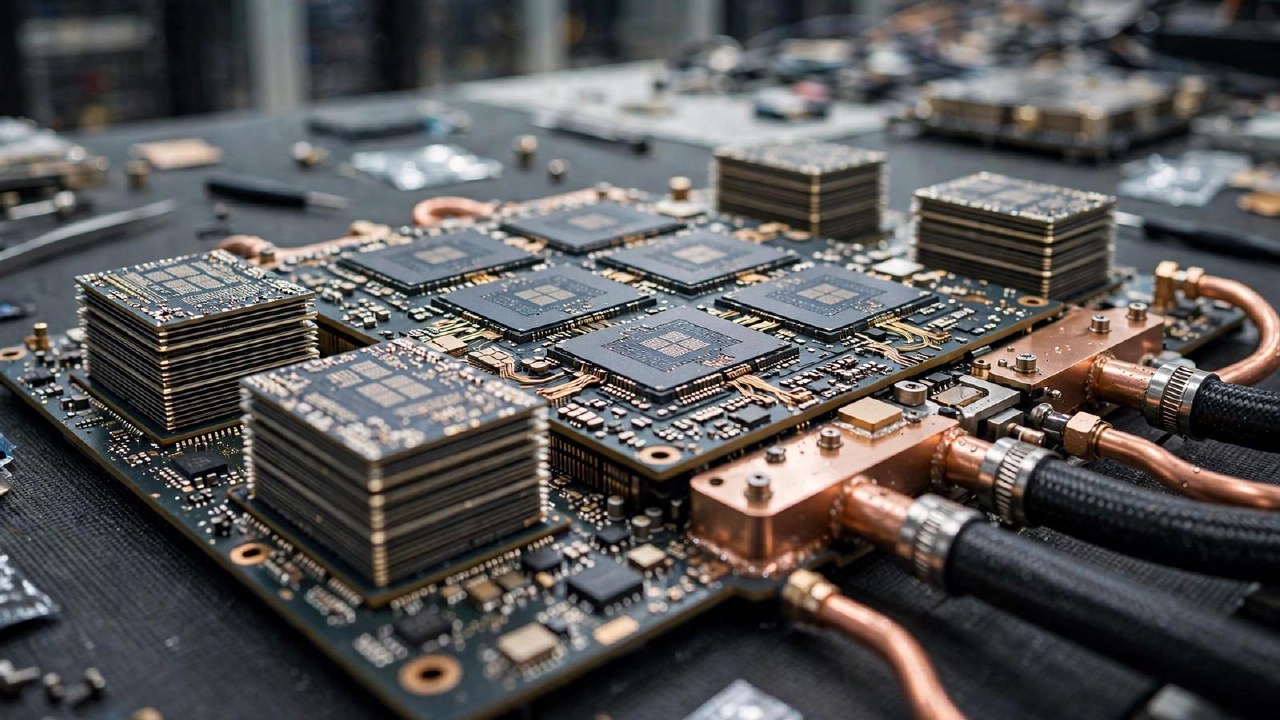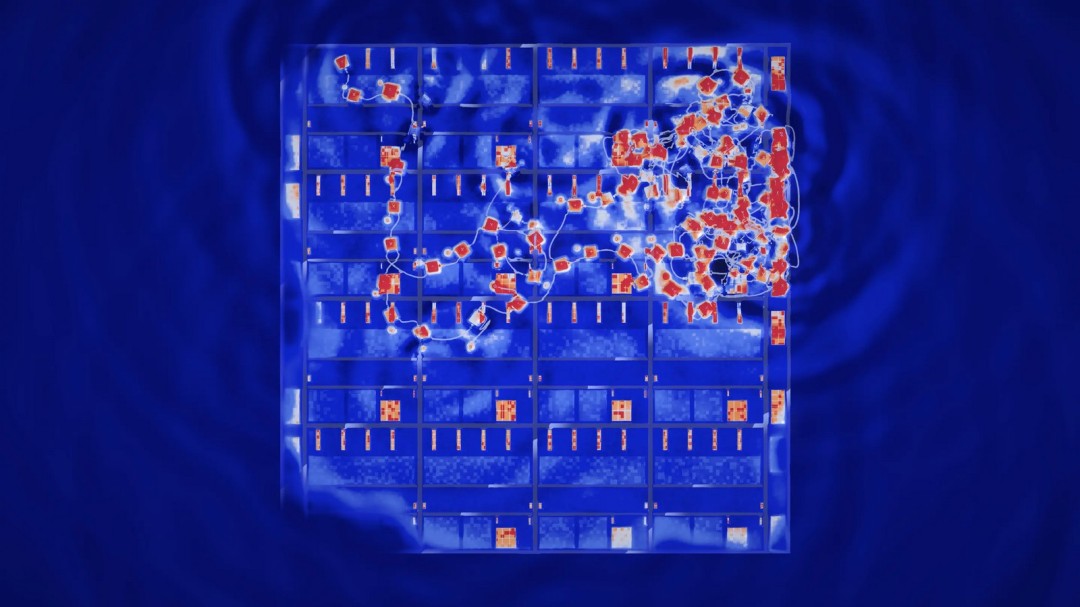

Modern AI clusters now frequently exceed 100 000 accelerators, creating significant challenges for power, cooling, and physical space within single data centers. To overcome these limitations, the industry is shifting toward scale-across architectures, which connect computing resources across multiple buildings, campuses, or even different regions.
Google has launched its Virgo network architecture to manage AI workloads that surpass the capacity of a single facility. The company aims to treat entire campuses as unified systems. Meanwhile, Cisco and Marvell are developing specialized hardware, including high-capacity routers, switching chips, and optical interconnects, to support these geographically distributed deployments.
Expanding infrastructure beyond individual facilities introduces technical hurdles, such as propagation delays and synchronization overhead. Effective performance now relies on sophisticated network adapters, switches, and software frameworks like libfabric, MPI, or UCX. Technologies such as RDMA, SmartNICs, and data processing units are being deployed to reduce the burden on host processors.
The industry is also adopting faster interconnect technologies, with Ethernet versions reaching nominal bandwidths of 800 Gb/s and 1.6 Tb/s. However, experts note that peak transfer rates are insufficient to measure performance. Future AI system efficiency will depend on how effectively hardware and software cooperate to manage congestion and synchronize computations across thousands of processors.