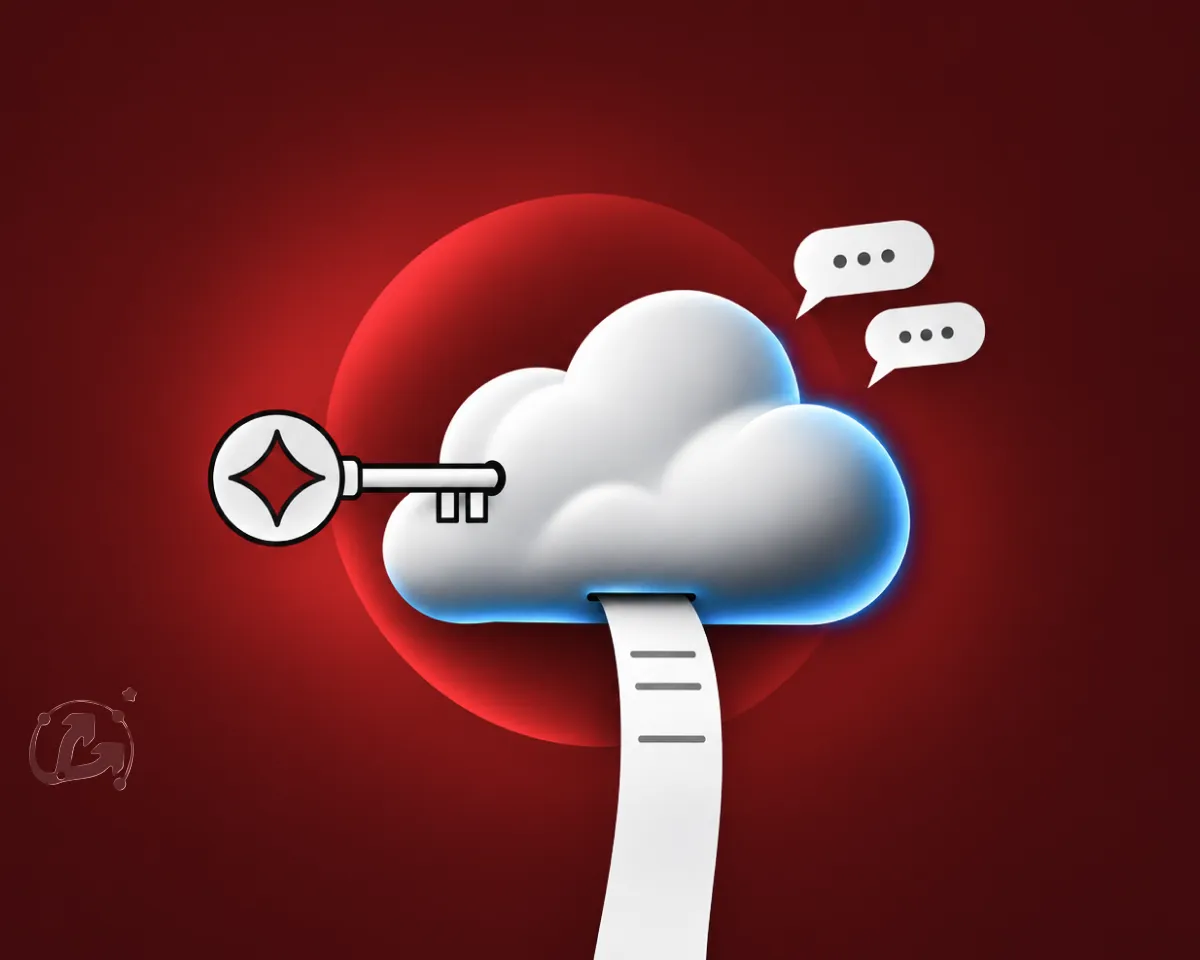
LLMjacking involves the unauthorized use of commercial AI API keys, where attackers send requests through stolen credentials, leaving the account owner to pay the resulting usage fees. Cloud platforms charge based on token consumption, and since they do not verify the requester's identity beyond the API key, costs can escalate rapidly.
In February 2026, a small Mexican development team faced an 82,314 USD bill for Gemini usage after their API key was compromised. The attackers generated this amount in just two days, whereas the company would typically spend 180 USD per month. Similar incidents have been reported, including a service called Jet Night that processed over 500,000 requests in under eight hours, costing the victim nearly 1 million USD.
Attackers obtain credentials through various methods, including scanning public GitHub repositories for hardcoded secrets, exploiting server vulnerabilities, and using infostealers to harvest tokens from mobile apps. Google and other researchers have noted that attackers often test stolen keys with minimal requests to avoid detection before scaling up usage to maximize profit.
Underground services act as proxies, pooling stolen keys to sell AI access at prices significantly lower than official subscriptions. These platforms often cater to users seeking to bypass regional restrictions or safety filters. Security researchers warn that these attacks are becoming more frequent as they are easier to execute than traditional cryptojacking, which requires installing mining software on compromised servers.