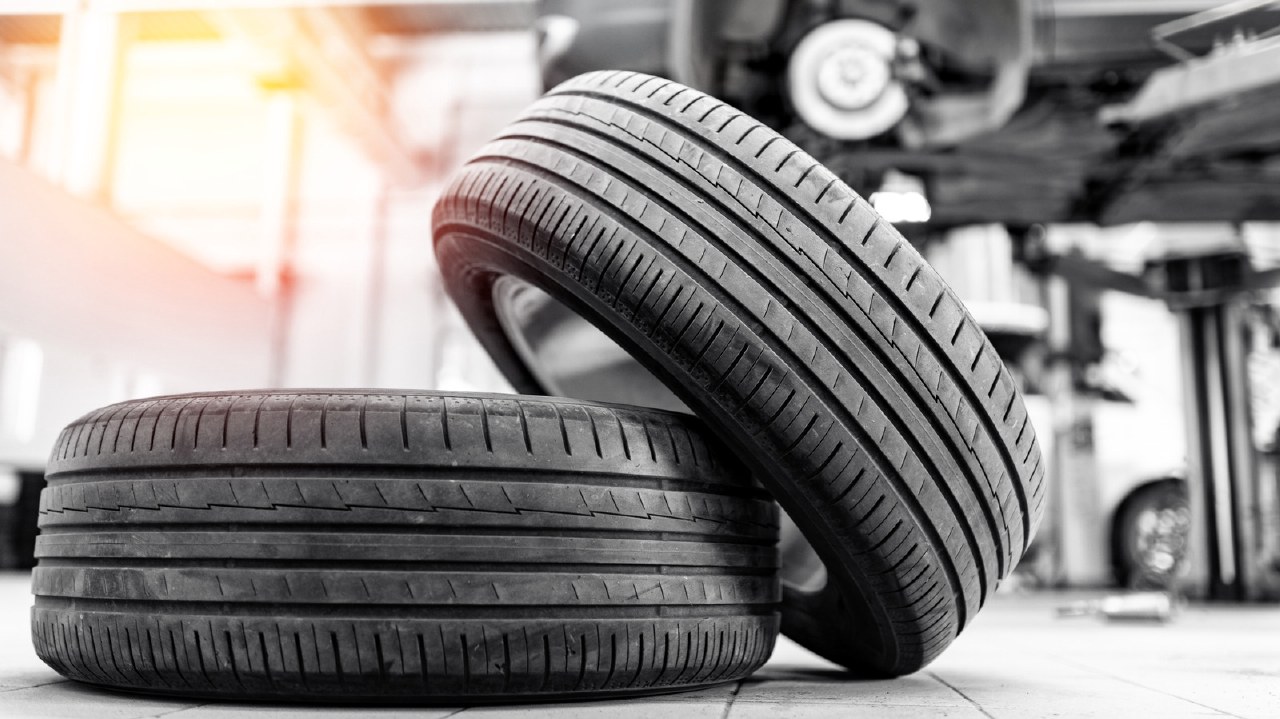
Tire age is determined by a four-digit date code on the sidewall, indicating the week and year of manufacture. While the five-year rule is a common guideline, manufacturers often suggest that tires can remain functional for six to seven years or longer depending on conditions.
Rubber undergoes thermo-oxidative degradation, where oxygen breaks down compounds over time. Factors accelerating this process include exposure to UV rays, ozone, salty environments, and high temperatures. Incorrect inflation pressure also increases heat, further shortening the lifespan of the rubber.
Michelin advises professional inspections annually once tires reach five years of age. Most manufacturers classify the six- to eight-year period as a time of elevated risk, requiring biannual checks. Replacement is recommended between eight and 10 years and becomes mandatory at 10 years.
Inspectors evaluate the sidewall, crown, tread, and shoulder for cracks or foreign object damage. For drivers covering 15 000 miles annually, tread wear typically necessitates replacement before the five-year age limit is reached. Vehicles driven 5 000 miles or less per year are more likely to require replacement based on age alone.