

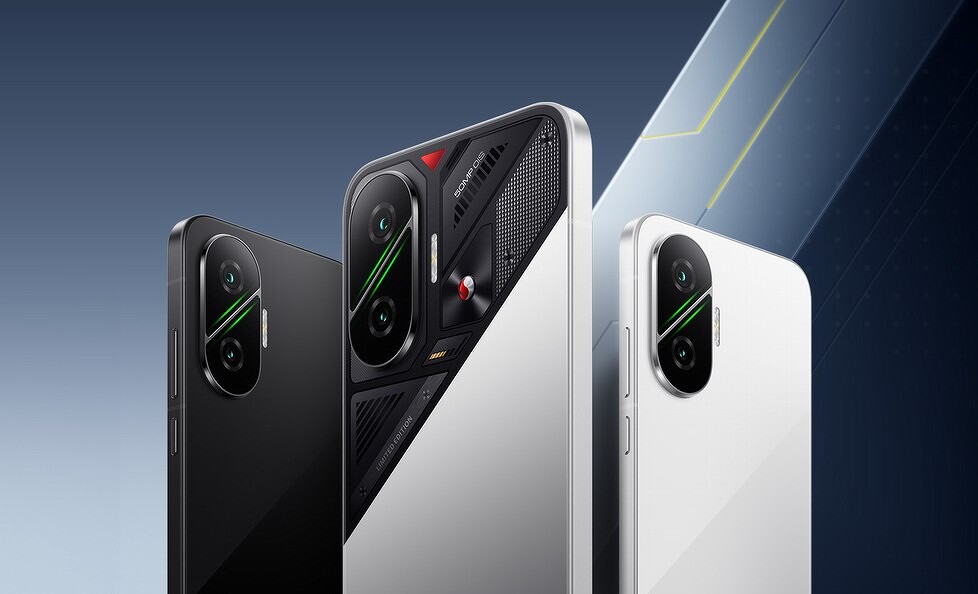
The electronics market is facing a supply shortage of dynamic random access memory (DRAM) chips, dubbed the RAMpocalypse. This crisis stems from manufacturers shifting production capacity toward high-performance memory for artificial intelligence servers, which has led to a 10-20% increase in retail prices for consumer electronics in 2026.
Major tech companies have already adjusted their pricing strategies. In June 2026, Apple increased the cost of certain high-end laptops and tablets by $300. Meanwhile, Microsoft, Sony, and Nintendo raised console prices by up to $150 per unit. Nintendo reported unexpected expenses of approximately $75 million, representing about 30% of its annual profit, due to rising component costs.
The impact is particularly severe for budget-focused brands like Xiaomi, Oppo, and Vivo. According to Counterpoint, the cost of DRAM for smartphones has risen by $250 over the past year. Analysts at Ampere Analysis warn that if console prices reach $1,000 or more, sales volumes could drop by 43% over the next five years.
Industry leaders, including Nokia CEO Justin Hotard, expect this chip shortage to persist until at least 2027. While the semiconductor industry is constructing new manufacturing facilities, the Semiconductor Industry Association notes that these projects will take years to complete. The trend of rising prices is expected to continue throughout the AI supercycle.
Market instability has also affected investor sentiment, with chip manufacturer stocks falling in July 2026. Furthermore, reports indicate that the U.S. administration may introduce tariffs on chips and finished goods containing them, such as laptops and consoles, to incentivize domestic semiconductor production.



