Robotics companies are investing over $100 million annually in acquiring real-world data for AI training. The market for data collection platforms and kits was valued at $590 million in 2025, with a projected growth of 27.8% by 2032. Firms like Micro1, Figure, and Instawork employ thousands of contractors globally to record daily human activities for VLA model training.
Compensation for data collection varies significantly by region and task. In India, workers earn between $13 and $15 per hour, while US-based roles pay significantly more. Specialized tasks, such as those performed by Tesla data operators in motion-capture suits, command between $25 and $48 per hour. Figure reported paying out $15 million to participants for its platform.
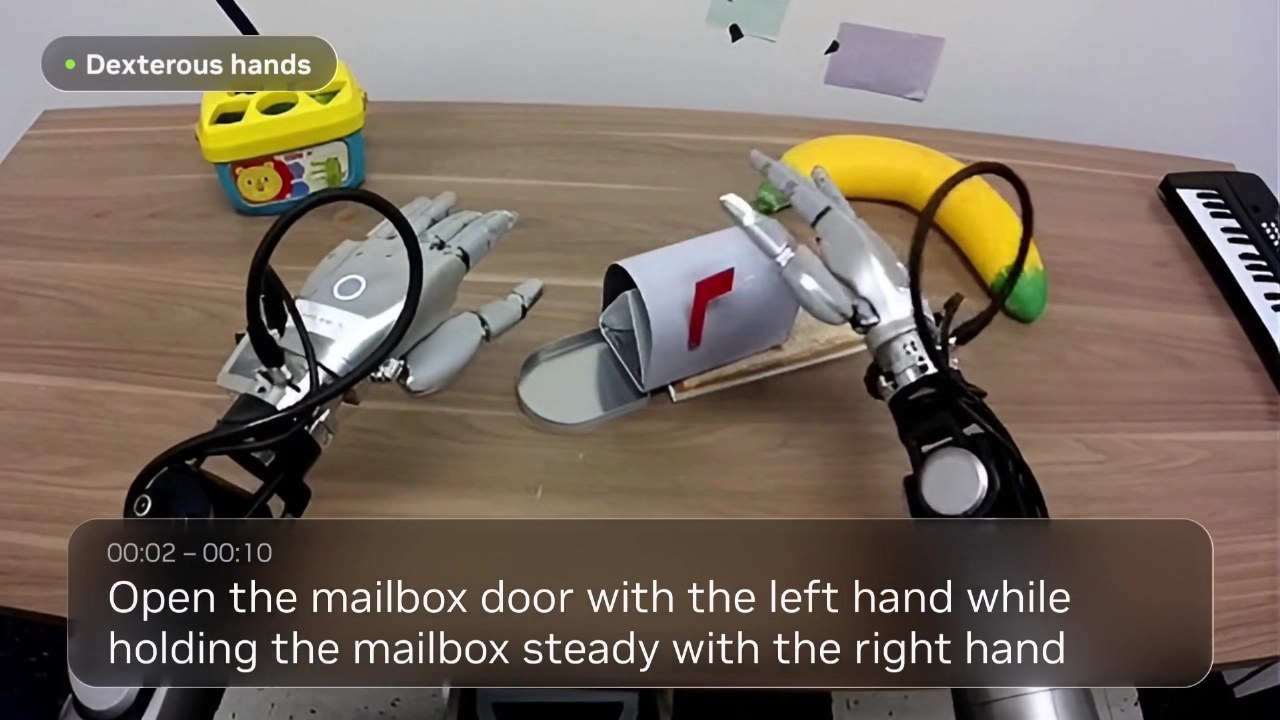
Technical approaches to data acquisition include wearable cameras, specialized gloves, and VR-based teleoperation. Sunday Robotics developed a $200 glove to record finger movements and force, while 1X Technologies utilizes remote operators in VR headsets to control its Neo robot. Projects like Ego4D, AINA, and Ego-Exo4D focus on capturing diverse human movements for AI research.
In Russia, major tech companies are preparing for potential physical AI integration. Yandex plans to spend 3.5 ₽ billion on AI trainers in 2026, up from 2 ₽ billion in 2025, currently employing 2,085 experts. Sber has introduced the Green-VLA model and the Green humanoid, signaling a shift toward developing the necessary infrastructure for physical AI data collection.