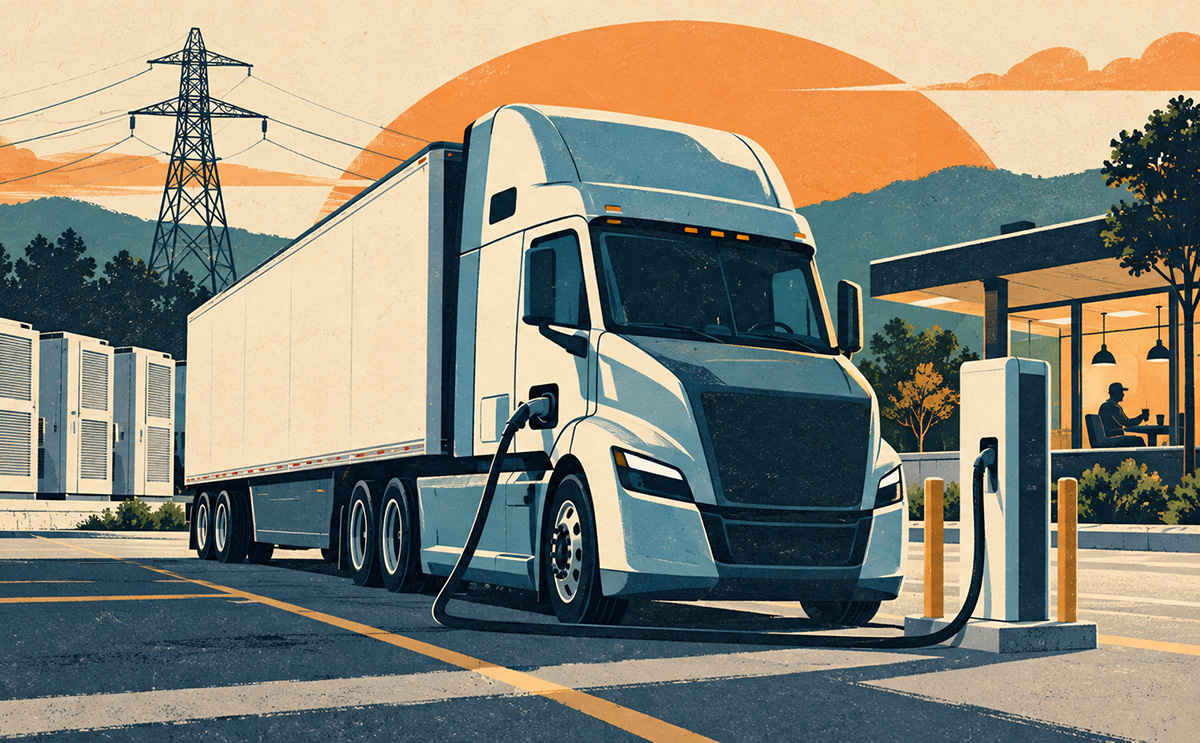
Rustam Kocher, former Charging Infrastructure Lead at Daimler Trucks North America, emphasizes that heavy-duty electric vehicles require dedicated charging infrastructure. He highlights that the Megawatt Charging System (MCS) has become a fully published standard, applicable to various commercial vehicles including excavators, ferries, and eVTOLs.
The MCS standard allows for interoperability, enabling operators to source hardware from 30 different vendors. This shift is expected to lower operating costs for sectors like marine transport, as it eliminates the need for bespoke, manufacturer-specific charging designs that were previously difficult and expensive to maintain.
While legacy truck manufacturers in Europe and the US have requested delays to electrification regulations, Chinese manufacturers are entering the European market. Kocher notes that these new entrants are likely to compete on price and provide transparent pricing, which could force legacy OEMs to adjust their strategies.
Small fleets, which make up the majority of the market, currently struggle with financial planning due to a lack of clear vehicle pricing. Kocher argues that price transparency is essential for a healthy market and that legacy manufacturers should focus on lowering costs through leasing or competitive pricing rather than seeking regulatory rollbacks.
Despite concerns from some OEMs regarding the lack of charging infrastructure, Kocher points to the success of the Milence network in Europe. He suggests that while current infrastructure is insufficient, it is expanding rapidly, and fleets can already utilize existing depot-to-depot routes for electrification.