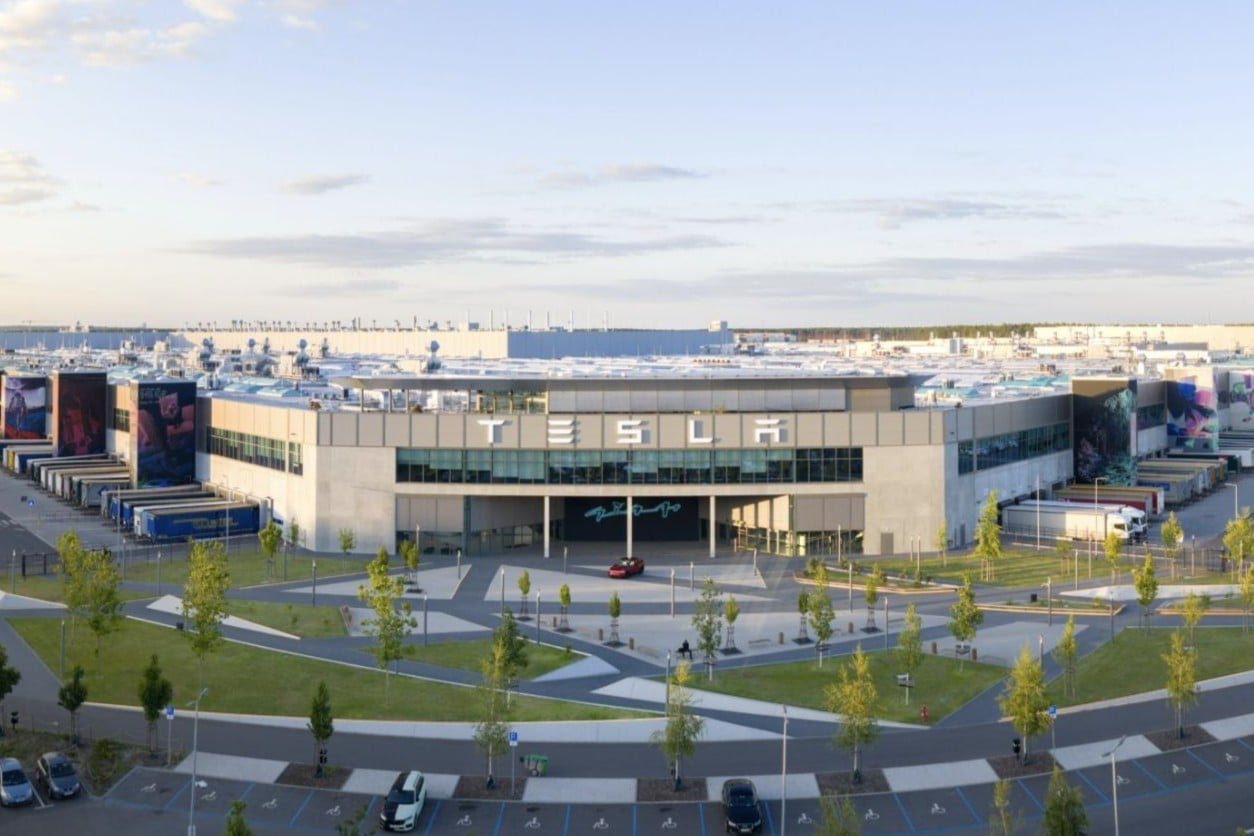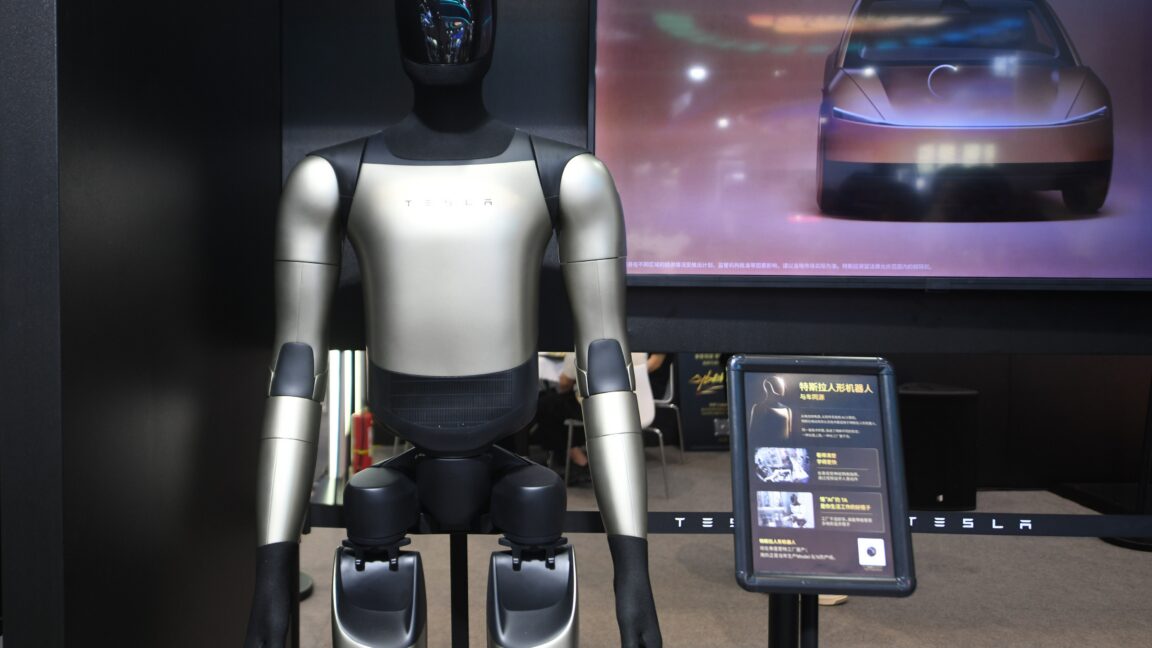
Tesla has transitioned staff from the Fremont factory, which ceased Model S and Model X production in May 2026, to focus on the Optimus humanoid robot project. The company currently manufactures hundreds of units weekly and aims to exceed 1,000 robots per week by the end of 2026. Development of the Optimus V3 model faces significant manufacturing hurdles, particularly regarding the precise assembly of complex robotic hands.
The assembly of Optimus hands involves over 100 small components, requiring manual labor and frequent repairs. Tesla introduced a replaceable glove-like sensor layer to address the unreliability of touch sensors. Currently, the robots rely on specific programming for controlled environments rather than general-purpose AI, and the company continues to depend on Chinese suppliers for various components despite US regulatory pressures.
To improve robot training, Tesla initially used factory workers in Texas and California to record physical movements via special suits. Following employee concerns regarding potential job displacement, the company shifted data collection to dedicated teams in specialized training hubs. Tesla faces global competition from automakers in China, Japan, and South Korea, as well as companies like Toyota and Hyundai.
Hyundai plans to deploy up to 25,000 Atlas robots from Boston Dynamics in the coming years. Meanwhile, Agility Robotics has been testing its humanoids in an Atlanta warehouse since 2024. Despite these efforts, the industry still faces challenges in proving the long-term business viability and safety of humanoid robots in human-centric workplaces.