Tesla is shifting its procurement strategy in the South Korean market by bypassing traditional Tier 1 and Tier 2 suppliers. The company has begun direct negotiations with Tier 3 and Tier 4 suppliers to manage costs more effectively.
By engaging directly with downstream component and raw material providers, Tesla aims to eliminate unnecessary intermediaries and reduce profit margins taken by middle-tier firms. This approach is designed to maintain price competitiveness in the local electric vehicle sector.
The move puts significant pressure on downstream suppliers who now face direct price negotiations with the automaker. Industry observers note that this strategy allows Tesla to gain deeper visibility into the cost structure of its vehicle production.
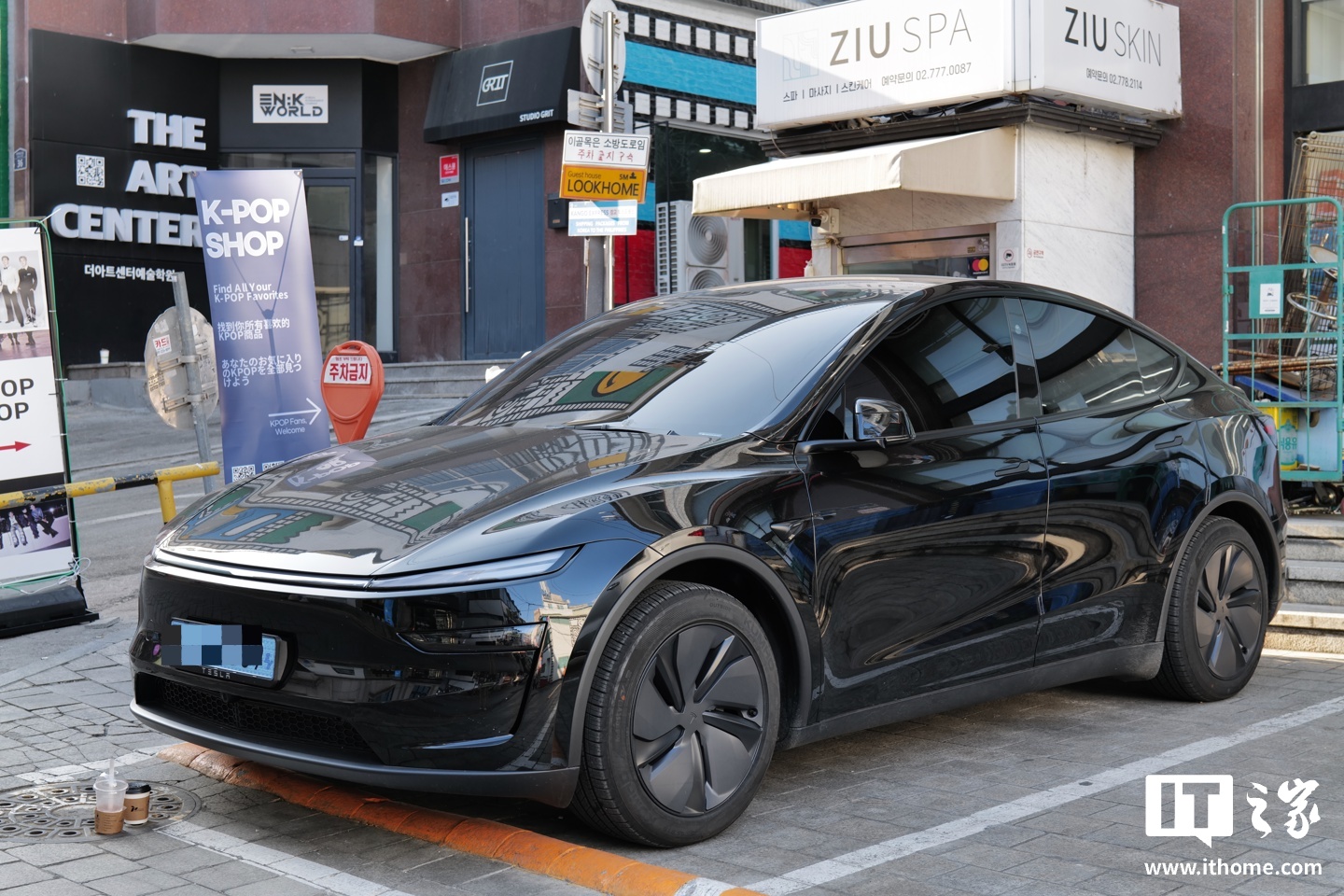
This change in supply chain management coincides with Tesla's growing influence in South Korea. The brand is increasingly challenging the dominance of local manufacturers Hyundai and Kia, moving from a niche import option to a mainstream competitor in the domestic market.