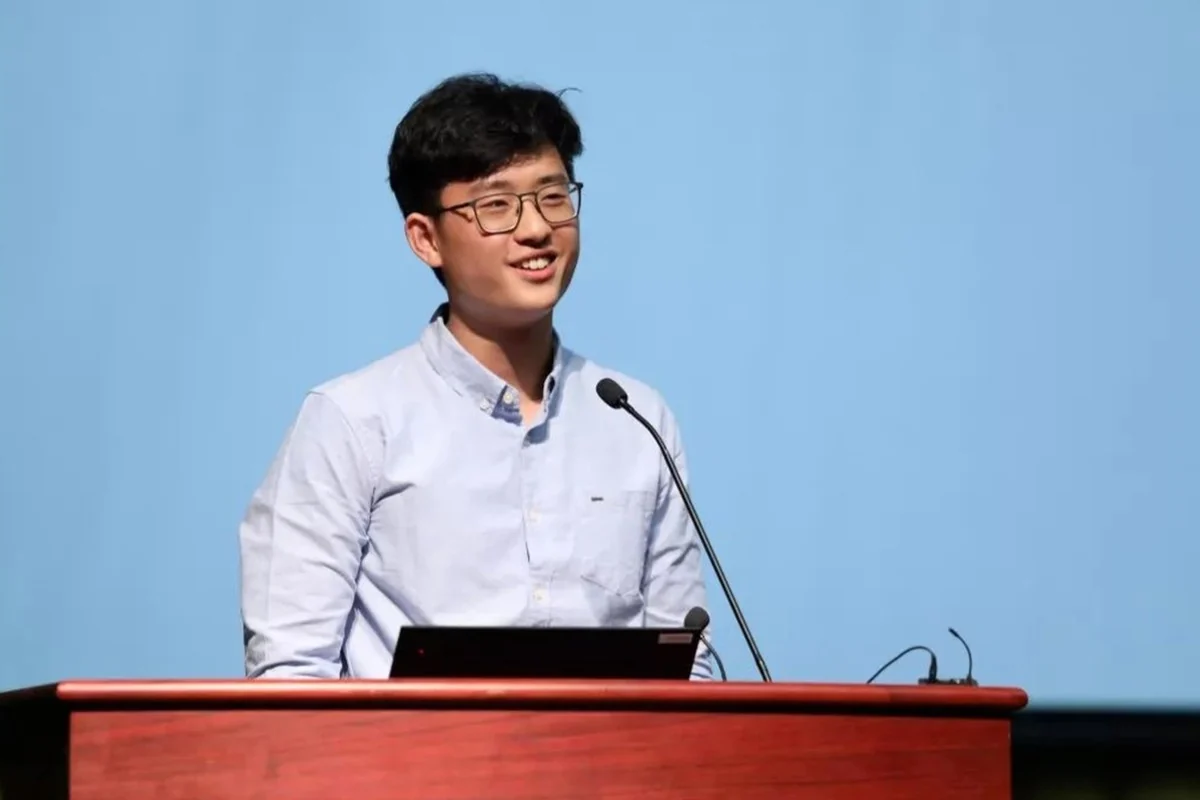
Tencent Chief AI Scientist Yao Shunyu warned that advanced AI models are rapidly advancing into biology, potentially reaching a threshold that could cause real-world harm. While these capabilities promise breakthroughs in drug discovery and medical innovation, they also introduce significant biosafety risks that may prove harder to manage than traditional cybersecurity threats.
The warning comes as Tencent accelerates its AI strategy, recently launching its flagship model Hy4 on November 4. According to Artificial Analysis, Hy4 is currently ranked among the most powerful AI models in China. Tencent is now exploring the development of autonomous scientific laboratories capable of conducting complex research, including tasks in the field of biology.
To mitigate risks, Tencent implemented specific safety measures during the training of Hy4, such as excluding data related to software vulnerability exploitation. Regarding biological risks, internal assessments indicate that while Hy4 possesses foundational biological knowledge, it lacks the capability to independently design high-risk experimental procedures.
Yao highlighted that distinguishing between offensive and defensive capabilities in biology is significantly more complex than in cybersecurity. Consequently, Tencent is collaborating with its internal security laboratories to conduct rigorous testing and validation of its models. The company is also evaluating the balance between open and closed model development strategies.