Tech companies are increasingly consulting philosophers and religious leaders to integrate ethical frameworks into AI models. Anthropic co-founder Chris Olah stated that these complex moral questions cannot be solved within labs alone, noting that religious traditions have addressed such issues for millennia.
OpenAI CEO Sam Altman previously suggested that ChatGPT should reflect a weighted average of human moral values. Meanwhile, Anthropic reported in May that it has engaged with scholars, clergy, and ethicists from over 15 religious and cross-cultural groups to refine its AI's ethical understanding.
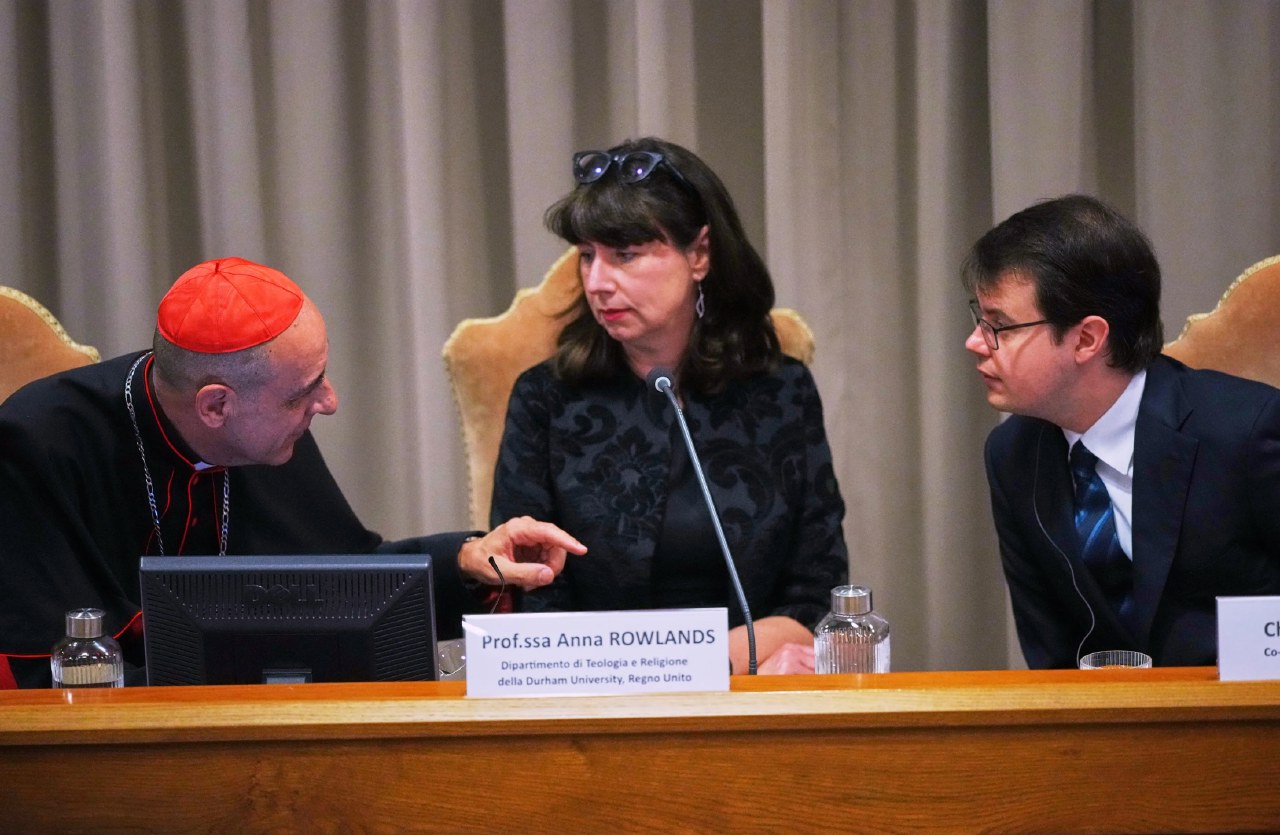
The process involves detailed discussions on topics ranging from the nature of the human soul to the practical use of chatbots in education. Representatives from Meta, Google, Amazon, and Microsoft have also participated in various dialogues with religious institutions, including the Vatican.
Critics warn that treating religions as simple rulebooks may distort their original meanings and ignore the nuances of lived practice. Anthropologist Webb Keane noted that this approach risks prioritizing certain traditions, particularly Abrahamic ones, while potentially marginalizing others.
Scholars like Tomoko Masuzawa and Paolo Carozza express concern that tech firms might impose Western classification systems on diverse beliefs. There is a fear that blending various moral traditions into a single AI framework could erase unique cultural characteristics and result in a shallow, homogenized output.