

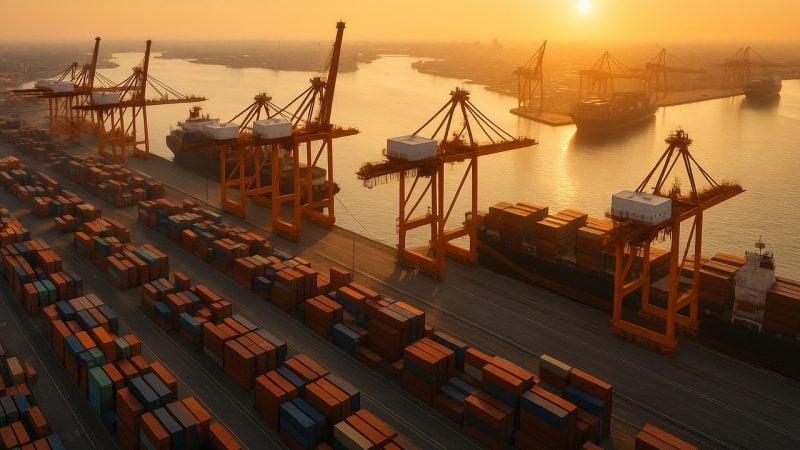
Since the start of US and Israeli strikes on Iran on February 28, 2026, the Strait of Hormuz has been largely closed to liquefied natural gas shipments. This route typically accounts for 20% of global LNG supply, primarily from Qatar and the UAE. Developing Asian nations face an estimated $7 billion increase in energy costs due to the disruption.
Qatar, the world's largest LNG exporter, saw its monthly exports drop from an average of 6–8 million tons to approximately 1 million tons by April 2026. Physical damage to the Ras Laffan complex operated by QatarEnergy reduced the country's total export capacity by 17%. Repairs are projected to take 3 to 5 years, keeping this capacity offline until at least 2029.
Asian LNG imports fell to 18.74 million tons in April 2026, marking a six-year low. Spot prices for LNG in Asia rose from $10–11 per million British thermal units (MMBtu) before the conflict to $20–27 per MMBtu by mid-2026. Buyers in Bangladesh, Pakistan, and Southeast Asia are currently priced out of the spot market.
Asian importers, including China, Japan, and South Korea, have sought alternative supplies from the United States. QatarEnergy is now negotiating long-term contracts to purchase US LNG to meet its existing obligations. Meanwhile, investors are showing renewed interest in LNG projects in Mozambique, Canada, and the US Gulf Coast to diversify supply chains.



