SpaceX has evolved from a company dependent on NASA contracts into an essential contractor for the US government. Over the past two decades, NASA has awarded the firm approximately $20 billion in contracts, including a $278 million award in 2006 and $1.6 billion in 2008 that helped prevent bankruptcy.
The company's role became critical for national security and space exploration, particularly after SpaceX won a lawsuit against the US Air Force in 2014 to compete for launch contracts. By 2020, SpaceX successfully transported astronauts to the International Space Station, and in 2021, it secured a $2.89 billion contract to develop a lunar lander for the Artemis program.
Despite this history, SpaceX is shifting its focus away from traditional government launch services. The company is increasingly prioritizing artificial intelligence, with plans to integrate AI software and hardware across its operations. This strategic pivot includes the acquisition of xAI and a potential merger with Tesla to control the full stack of AI infrastructure.
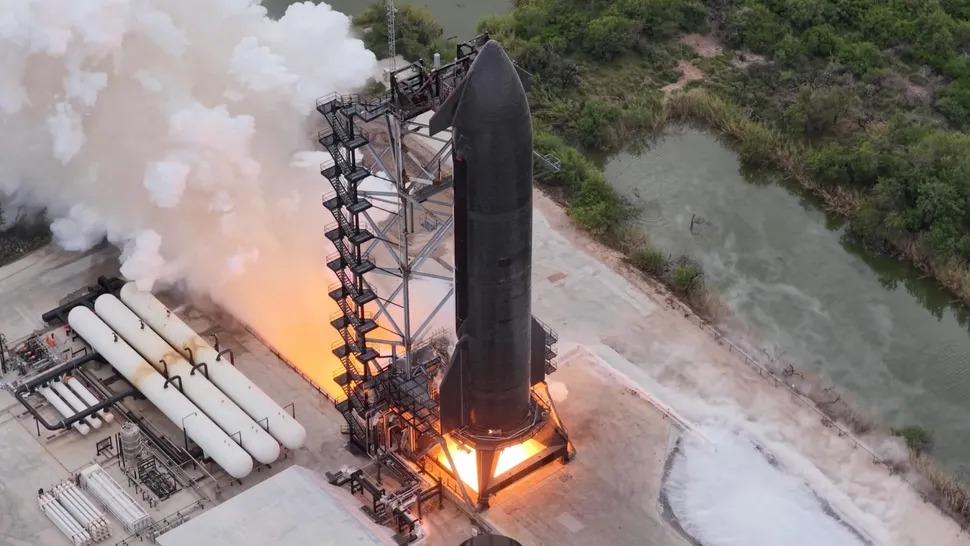
SpaceX has invested approximately $15 billion into the development of the Starship rocket. While NASA and the US military rely on the company's existing fleet, SpaceX is showing less interest in maintaining legacy systems like the Dragon spacecraft or Falcon 9, focusing instead on internal projects like Starlink and data center satellites.