SpaceX has initiated orbital maneuvers for its new Starlink V3 satellites following their deployment on the 14th Starship test flight. Astrophysicist Jonathan McDowell reported that most of the satellites have reached an intermediate altitude of approximately 295 km, marking an increase of about 19 km within a week of launch. Four additional units are currently continuing their ascent.
The satellites utilize argon-fueled Hall-effect thrusters. While these engines offer high efficiency, they generate lower thrust compared to traditional chemical propulsion, resulting in a slower orbital adjustment process. The current test phase is limited to 60 days under authorization from the US Federal Communications Commission (FCC), meaning the satellites are not yet providing commercial services.
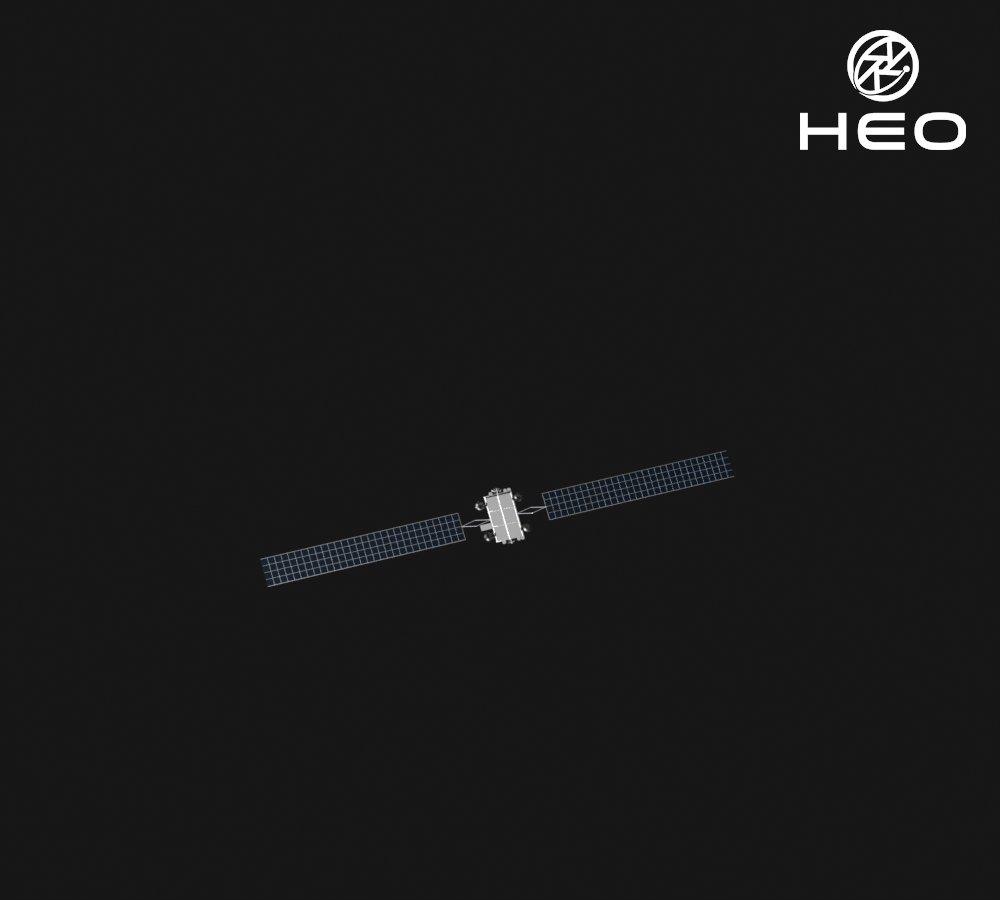
The HEO company captured the first imagery of a Starlink V3 satellite in orbit on September 30. The photograph was taken from a distance of approximately 230 km with a resolution of 34 cm per pixel. The image shows the satellite body and its two deployed solar arrays in the expected orientation for the current orbital phase. Future maneuvers may allow for higher-resolution monitoring as the satellites reach their target orbits.