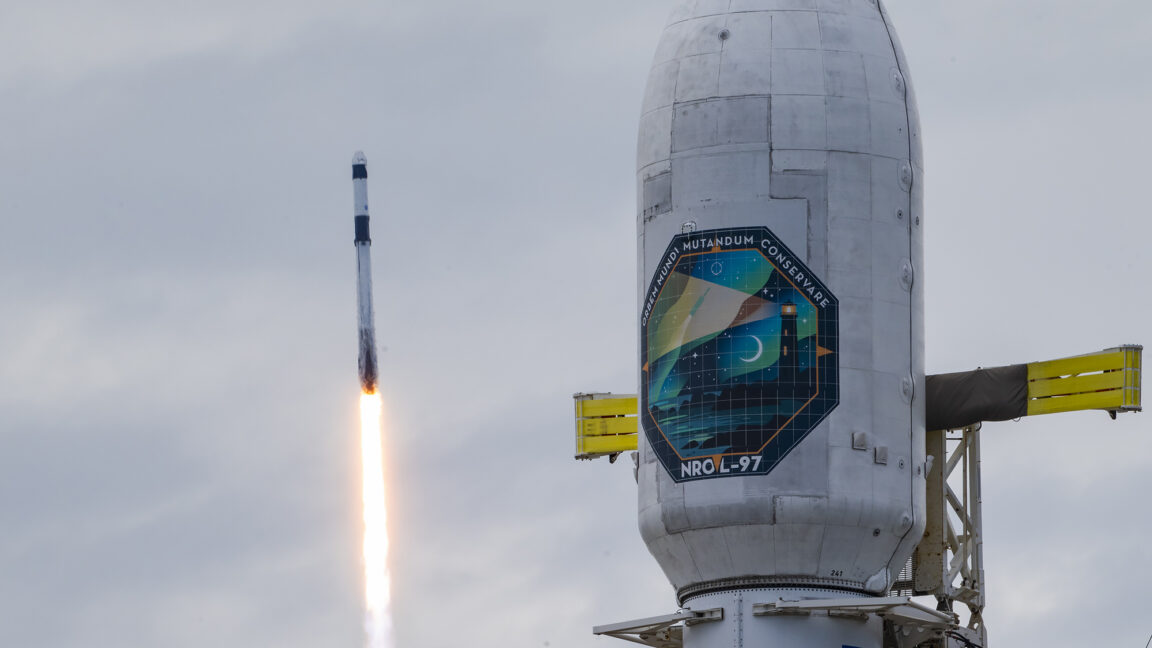
SpaceX successfully achieved the first orbital flight of its Starship rocket on its 14th test mission. During the flight, the vehicle deployed 26 next-generation Starlink V3 satellites. Additionally, SpaceX completed three launches in 13 hours on Thursday, including the Crew-13 mission to the ISS, a Transporter-18 rideshare mission carrying 130 payloads, and a Falcon Heavy launch for the National Reconnaissance Office.
Rocket Lab signed a 20-mission launch agreement with Synspective, marking its largest contract to date. This deal brings Synspective’s total bookings with Rocket Lab to 47 launches. Meanwhile, the Portuguese company Omnidea acquired the assets and intellectual property of the defunct Scottish rocket manufacturer Orbex, planning to use the former facility for electronics and structures development.
NASA announced a $359 million payment to Boeing to support the Starliner program, including the rebuild of its reaction control system and the certification of ULA’s Vulcan rocket for human spaceflight. The agency also ordered two additional crewed missions on Starliner, increasing its total commitment to six flights as it prepares for the eventual retirement of the Atlas V rocket.
Canada Rocket Company is shifting its focus from small-lift to medium-lift launch vehicles. The company is developing the R-2 rocket, which is designed to carry up to 12.5 metric tons to low-Earth orbit, with a potential launch target of 2032. Separately, Blue Origin has requested FAA approval to increase its annual New Glenn launch cadence from 12 to 50 missions from Cape Canaveral.