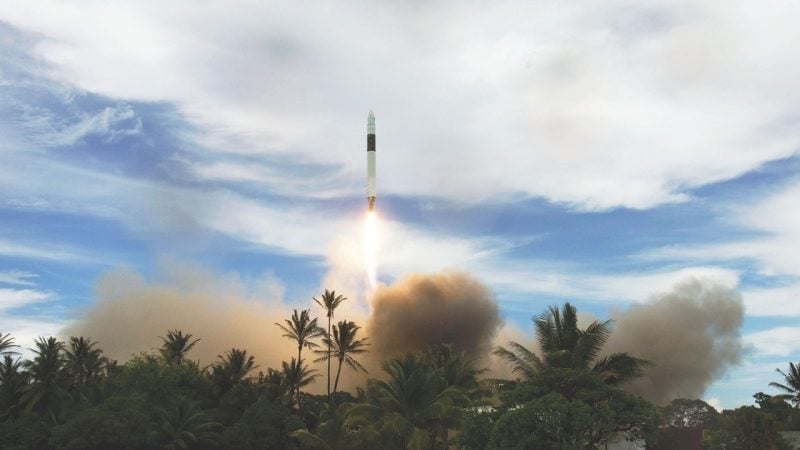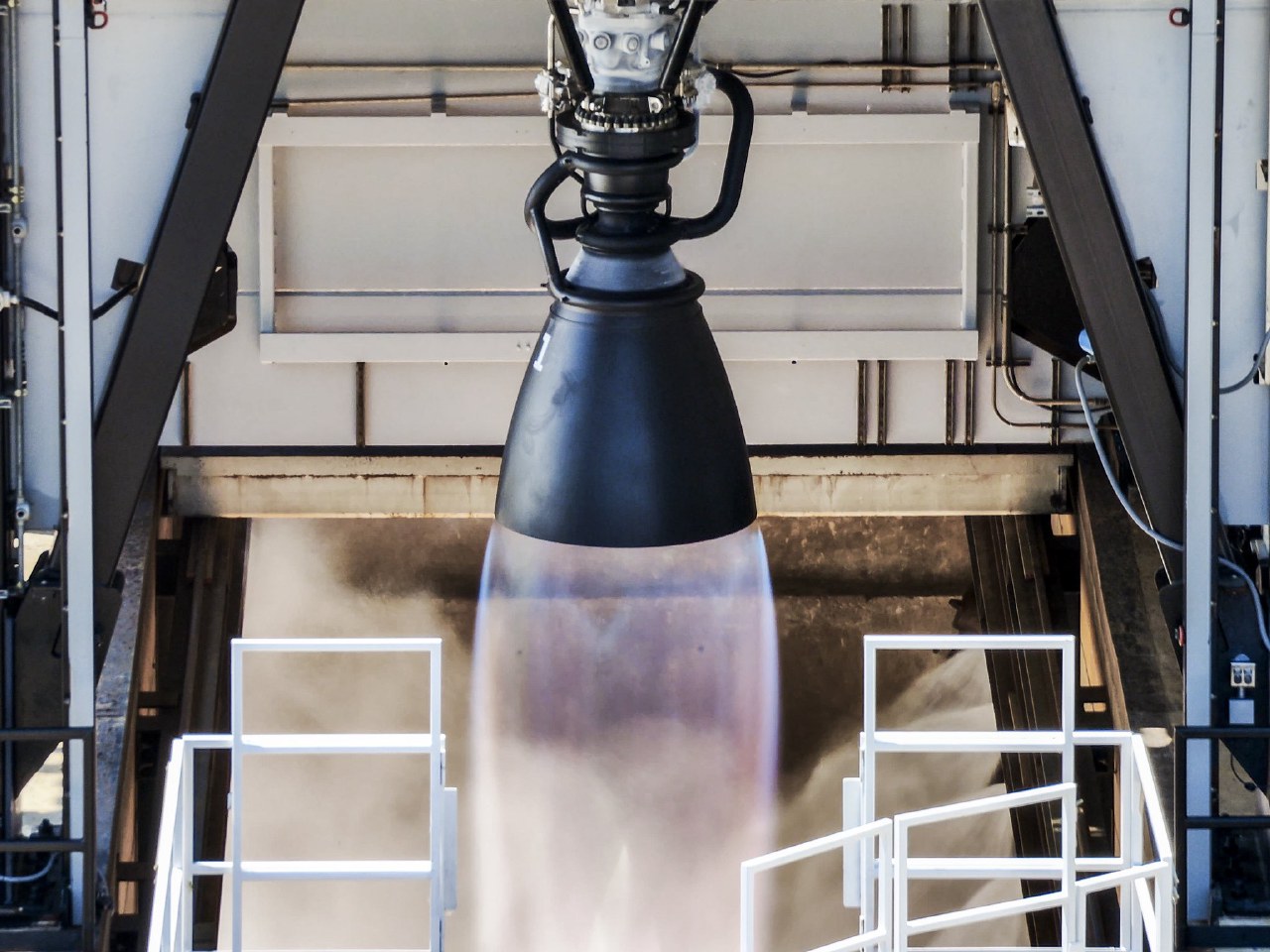
SpaceX is reportedly evaluating the in-house production of fiber optic cables and optical communication equipment. The initiative aims to support the Starlink network and potential data center operations, following the company's established vertical integration strategy used for Merlin and Raptor rocket engines.
Current suppliers for SpaceX include Corning, Hengtong Optic-Electric, and Yangtze Optical Fibre and Cable. The company is also exploring alternative sources for optical transceivers, which are essential for converting signals in data center interconnections. These components are distinct from the laser links used for satellite-to-satellite communication.
The potential shift in supply chain strategy coincides with ongoing discussions at the US Federal Communications Commission regarding restrictions on imported Chinese data center equipment. While the FCC is drafting measures that could impact optical transceivers, these regulations have not yet been finalized or implemented.
Unnamed industry experts suggest that SpaceX is planning for 10 gigawatts of AI computing capacity. Estimates indicate that 60 percent of this power would be utilized internally by SpaceX, Tesla, and xAI, while the remaining 40 percent would serve external clients such as Google and Anthropic. The company reportedly targets a capacity increase to 20 gigawatts by 2028.
Speculative plans mentioned in industry reports include the launch of the Star Mine orbital data center by 2027 and a lunar data center project by 2028. The latter proposal envisions the use of Tesla Optimus robots for deployment. SpaceX has not officially confirmed these timelines, capacity allocations, or the shift toward internal manufacturing.