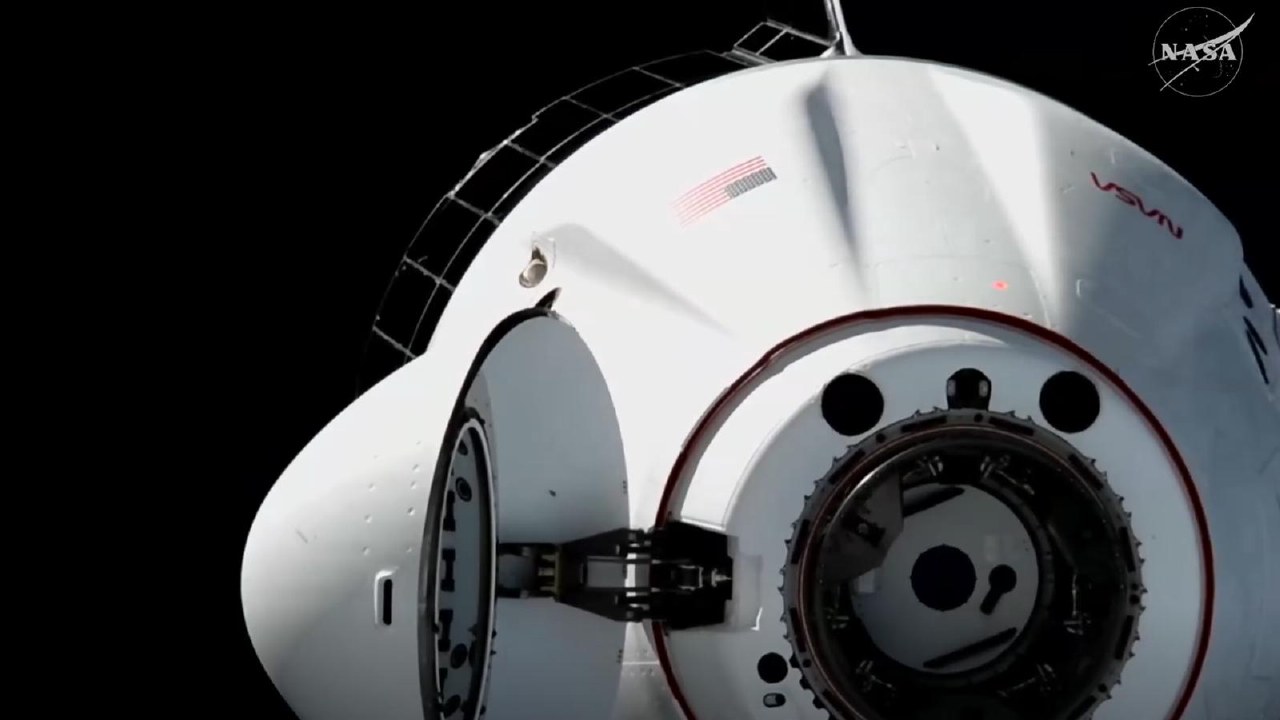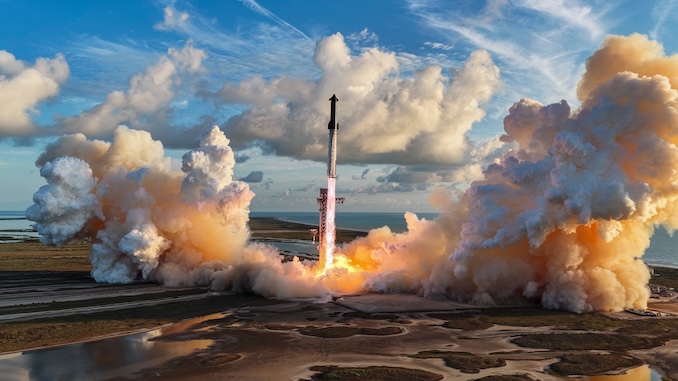
SpaceX successfully completed the first orbital flight of its Super Heavy-Starship rocket, launching from the Starbase site in Texas. The vehicle reached a 180-mile-high orbit after two engine firings, despite an early shutdown of one of the six Raptor engines on the upper stage.
During the mission, the Starship deployed 26 third-generation Starlink satellites into low-Earth orbit. Following the deployment, flight controllers opted to end the mission early, resulting in a controlled splashdown in the Pacific Ocean north of Hawaii three hours after liftoff.
The Super Heavy booster, which generates 16 million pounds of thrust, returned to the Texas coast for a vertical splashdown. SpaceX continues to use ocean landings as a safety precaution while it prepares to eventually capture the boosters using mechanical arms.
NASA views these test flights as essential for the Artemis moon landing program, currently targeted for 2028. The mission architecture requires multiple tanker flights to refuel the lunar lander in orbit before it can transport two astronauts to the moon's surface.
SpaceX is expanding its infrastructure with two active pads in Texas and three under construction in Florida. While the company aims for the 2028 deadline, some industry observers question the timeline, noting that NASA is also funding an alternative lander from Blue Origin.