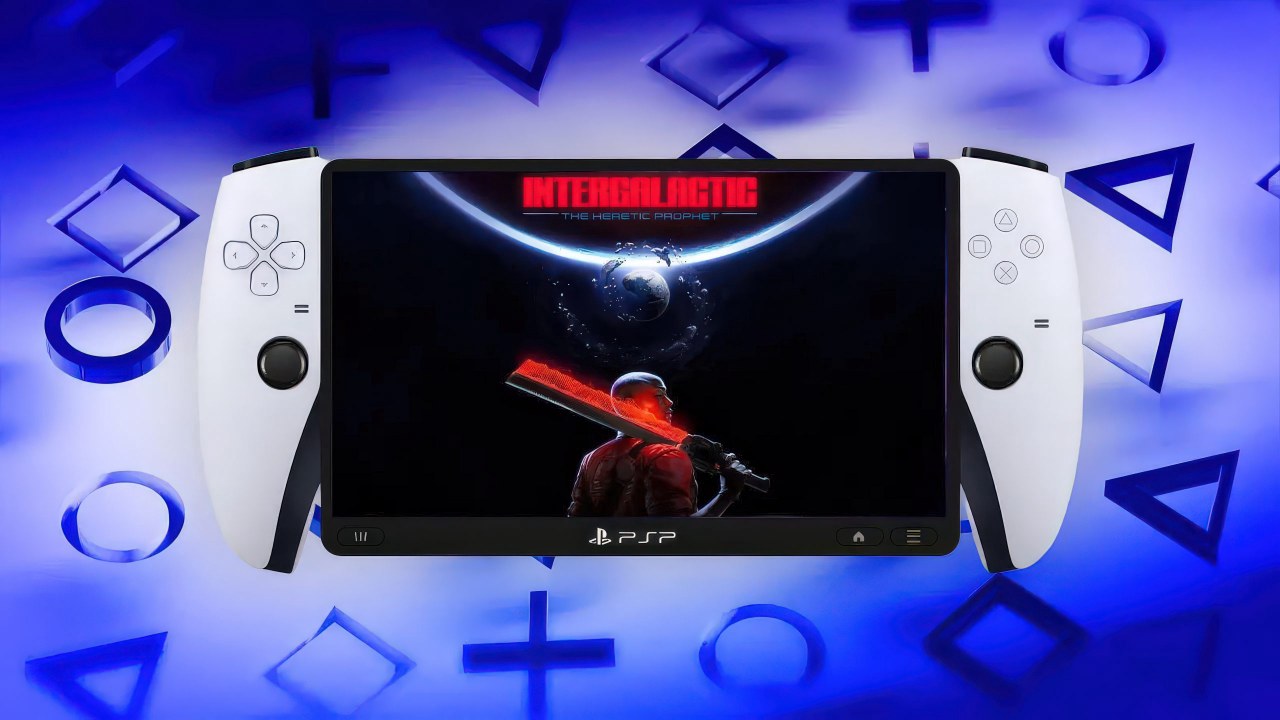
Sony is developing a handheld console under the internal codename Project Canis, which is expected to launch around 2027. The device aims to balance portability and performance rather than maximizing raw power, targeting a power consumption range of 15W to 25W.
The console will feature a custom AMD APU built on TSMC's 3nm process, comprising a 135mm² die. The CPU architecture includes four Zen 6c cores for gaming and two low-power Zen 6 cores for background tasks, which reportedly frees up 20% more CPU resources for games.
The GPU is based on the AMD RDNA 5 architecture with 16 compute units. It operates at 1.2GHz in handheld mode and boosts to 1.65GHz when docked, delivering theoretical performance of 4.9 TFLOPS and 6.75 TFLOPS respectively. It also supports PSSR 3.0 for frame generation and upscaling.
Memory specifications include LPDDR5X with a 192-bit bus, with potential capacities of 24GB, 32GB, or 36GB. The device will support backward compatibility with PS4 and PS5 titles, utilizing a unified software ecosystem to allow developers to optimize games for lower power modes.
The hardware design includes a MicroSD slot, M.2 SSD slot, touchscreen, dual microphones, and haptic feedback. Estimated retail pricing is projected to be between $399 and $499, though this may fluctuate based on final memory configurations.