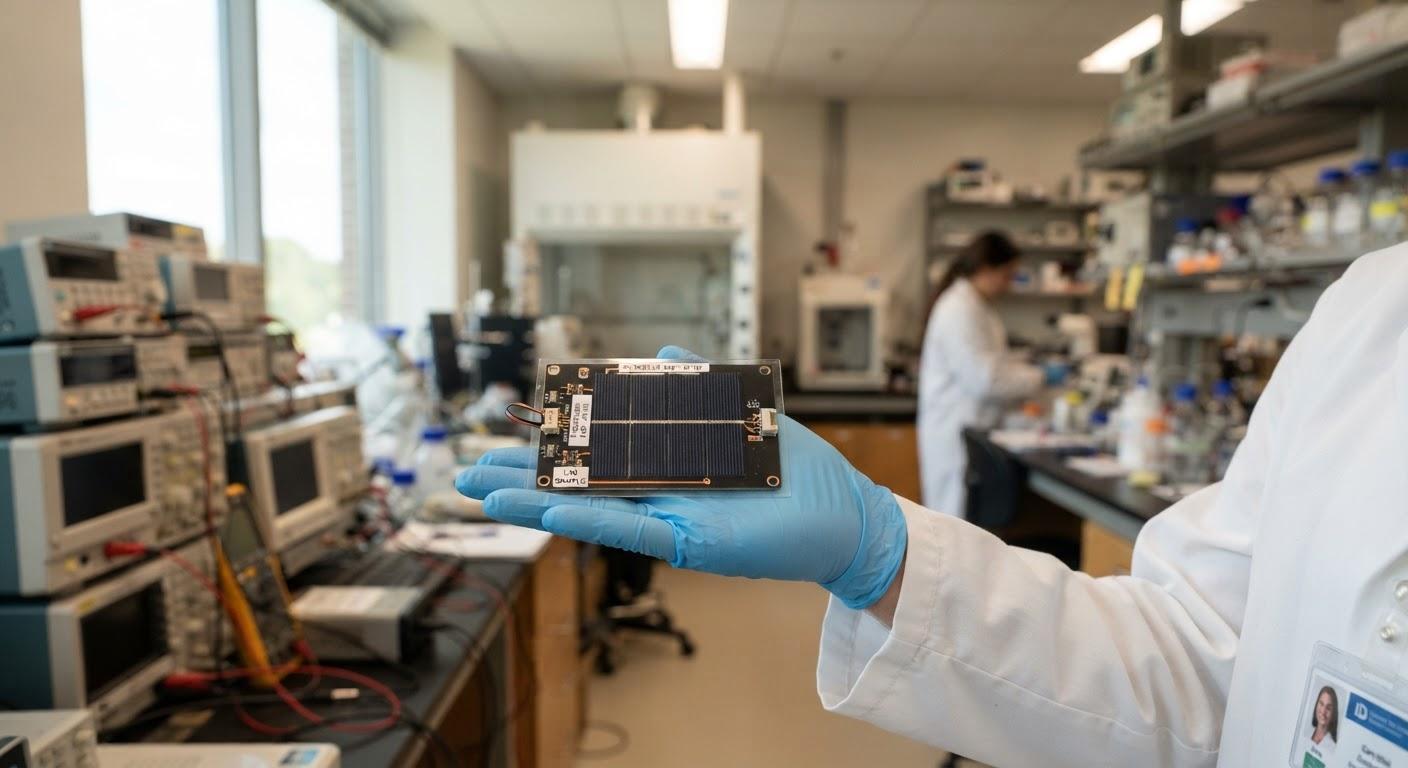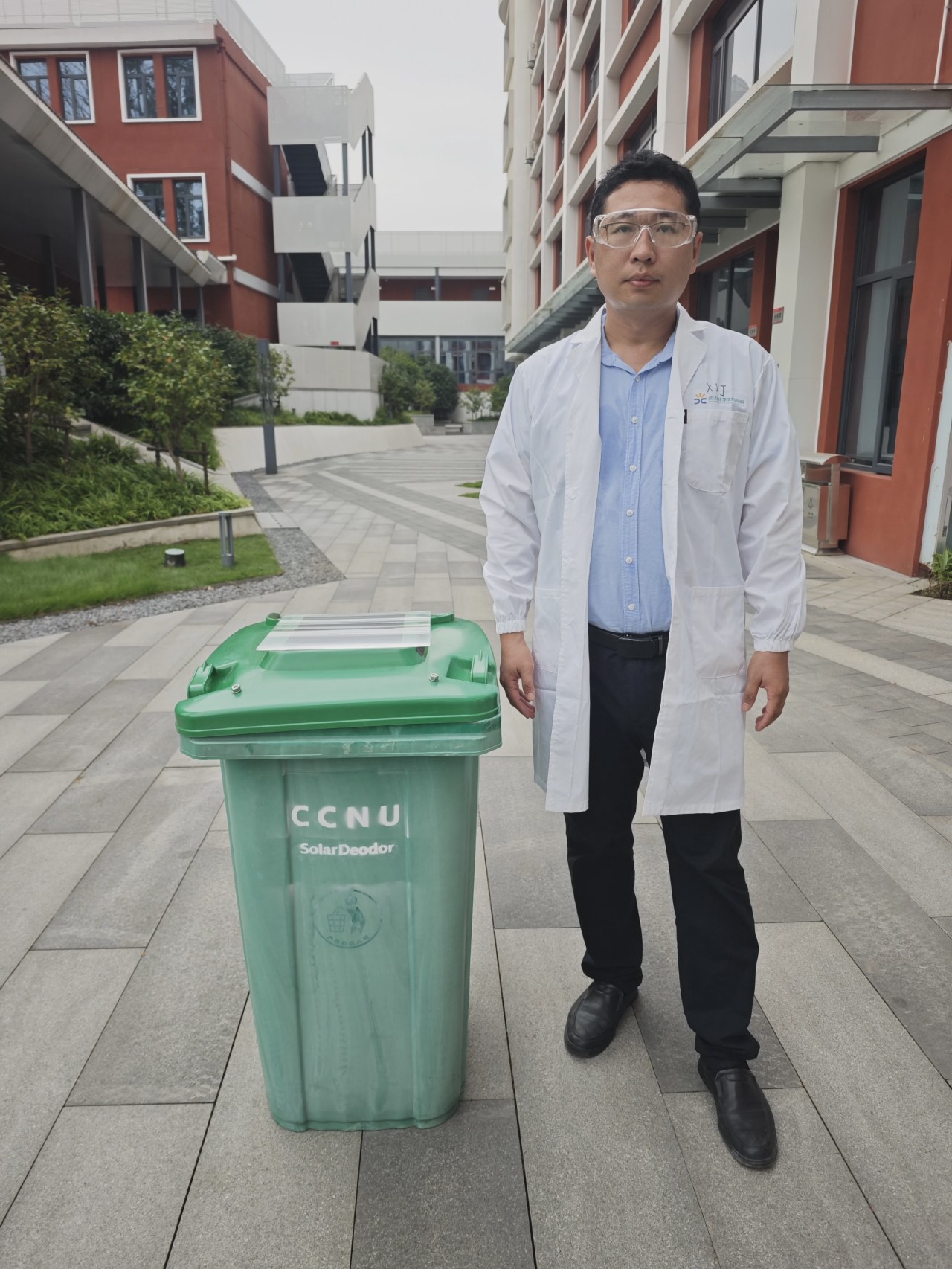
A research team from Central China Normal University, led by Wang Jinlong, has developed a solar-powered module for trash can lids that decomposes odor-causing chemicals. The system targets acetic acid, a primary source of sour odors in decaying waste, by using a manganese dioxide-based catalyst.
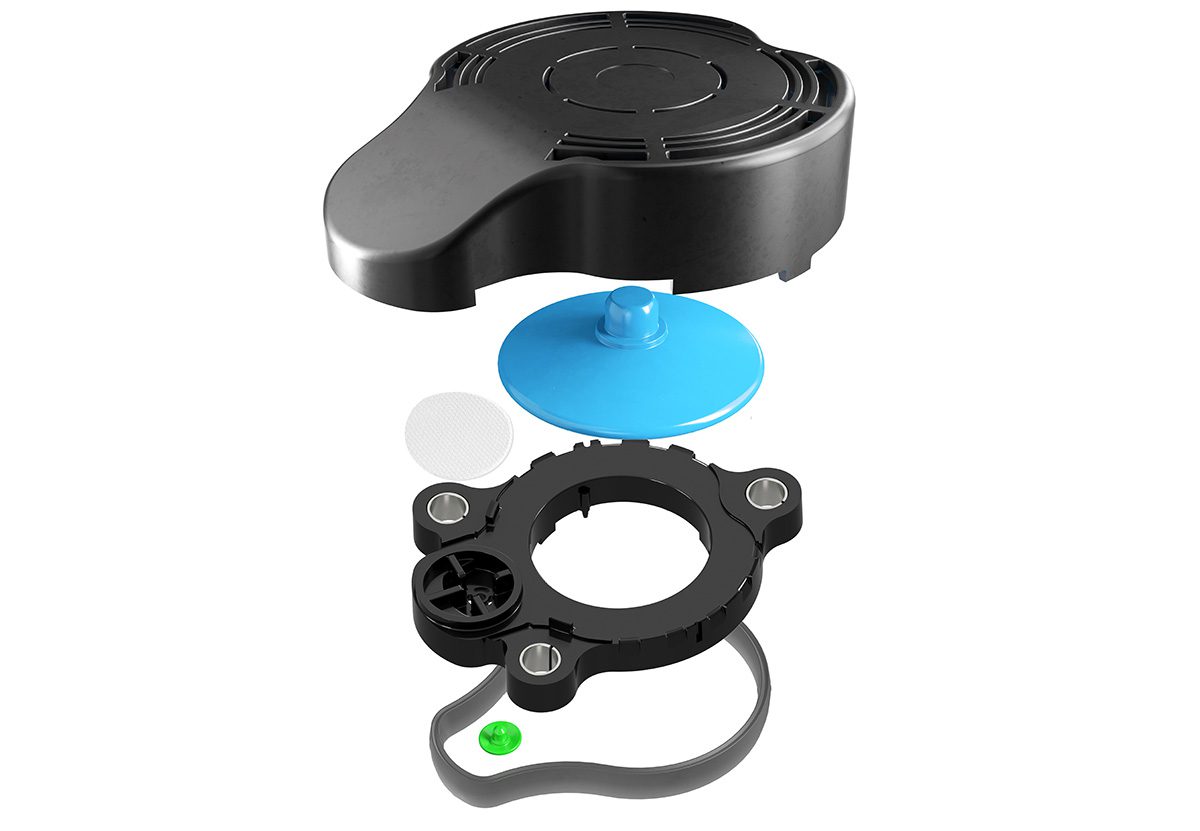
To enhance performance, researchers doped the manganese dioxide with lithium, which optimizes electron transport and improves catalytic efficiency. The device uses a transparent, breathable lid component with integrated lenses to focus sunlight, converting solar energy into heat to drive the chemical reaction without external power.
The module is designed for modular installation on standard wheeled trash cans. In field tests using food waste like fruit, bread, and wine, the system demonstrated stable operation for over 40 days under natural sunlight. It maintains effectiveness in high-humidity environments, outperforming traditional activated carbon filters.
The research, published in Environmental Science and Technology, highlights the scalability of the solution due to the low cost of materials and the lack of electricity requirements. The team envisions potential applications in residential areas, community collection points, and municipal waste management systems.