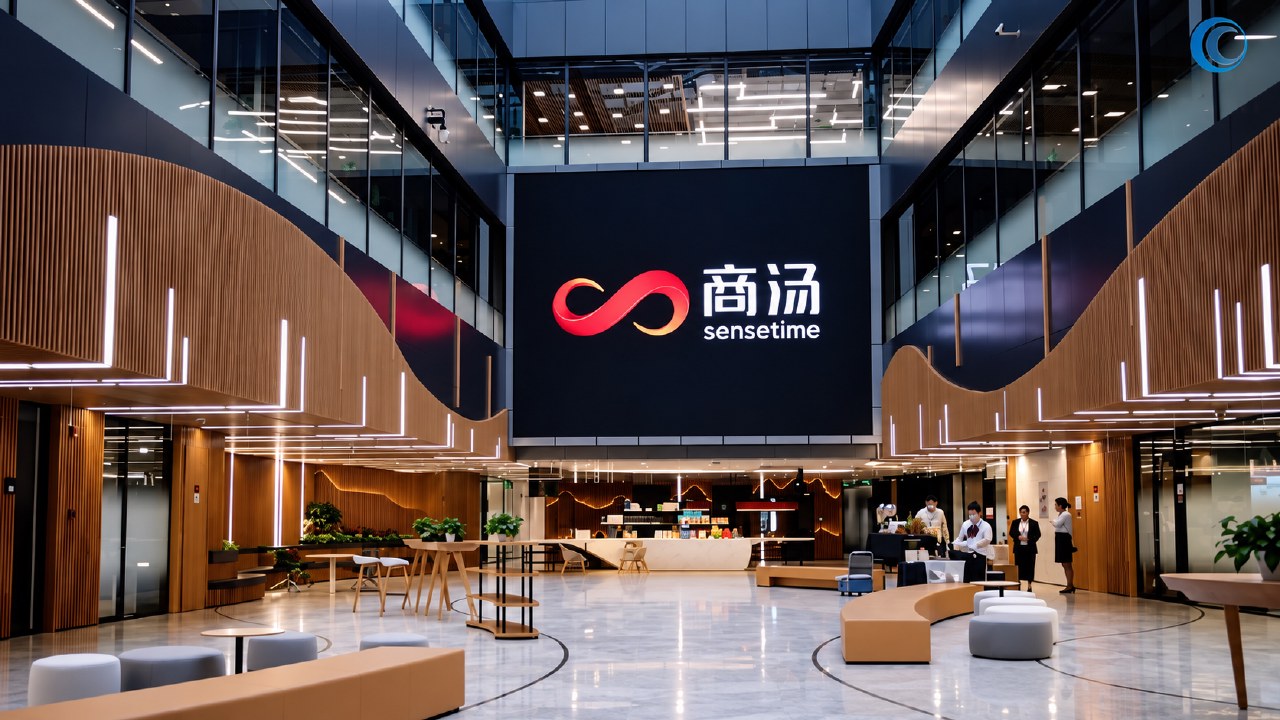
SenseTime introduced its SenseMart OS on September 23 at its headquarters in Shanghai. The platform functions as an operating system designed for retail environments, integrating various robots, retail hardware, and commercial operations into a unified system.
The company demonstrated the system through SenseMart Go, a robotic store concept. The OS supports four primary capabilities: perception, interaction, decision-making, and execution. It is compatible with multiple hardware types, including humanoids, wheeled dual-arm robots, and grippers.
SenseTime leverages its existing retail infrastructure, which currently processes millions of daily orders and maintains a database of over 300,000 SKUs. The system aims to improve business metrics such as transaction completion rates, customer satisfaction, and repeat purchase frequency.
Currently, SenseMart Go operates in more than 20 locations across cities such as Shanghai, Shenzhen, Hefei, Qingdao, and Yancheng. These deployments cover diverse environments including office buildings, industrial parks, shopping malls, university campuses, and public event spaces.
The company plans to scale the technology beyond the retail sector into other offline service industries. SenseTime continues to focus on developing embodied intelligence solutions that transition from experimental demonstrations to practical, large-scale commercial use.