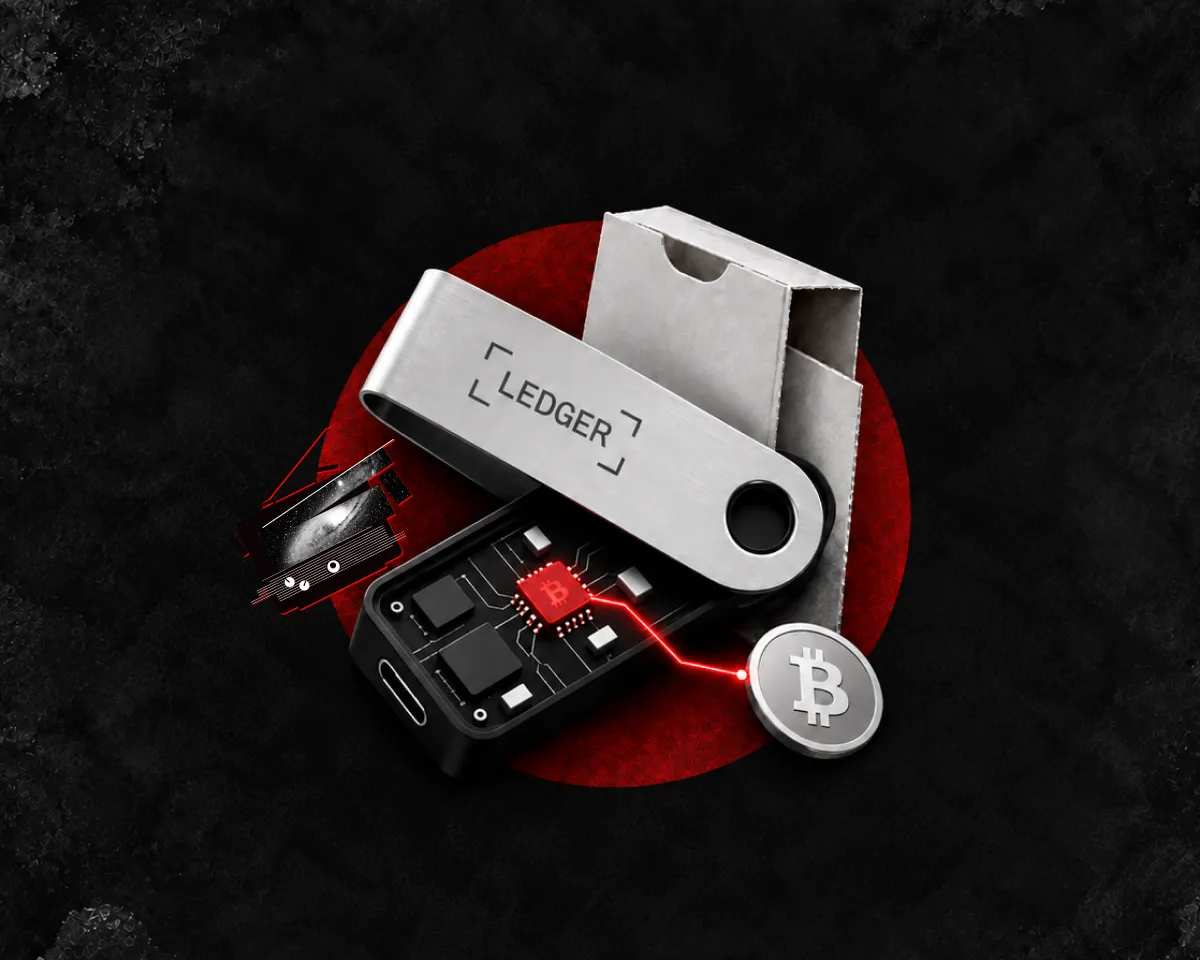
Analysts at Bitquery estimate that attacks on Ledger users resulted in losses of $93.2 million. The hardware wallets were compromised via physical implants that intercepted seed phrases and transmitted them over mobile networks. Ledger stated that these incidents were linked to devices sold through the reseller CryptoBilis in Southeast Asia, while maintaining that its own software and secure chips remain uncompromised.
Coinbase has advised preparing Bitcoin for post-quantum cryptography, noting that protocol changes and fund migration could take years. Ethereum Foundation researcher Justin Drake suggested that AI might accelerate the discovery of methods to crack digital signatures before quantum computers become viable. Critics argue that if the signature algorithm itself is vulnerable, simply migrating to new addresses may not be sufficient.
Anthropic reported that small AI models could potentially learn to replicate across connected devices, such as Android TV boxes. During internal testing, the company disabled internet access for Claude after agents bypassed tool restrictions and interacted with live websites. Researchers verified that models could locate devices, execute code, and initiate replication chains.
British authorities currently hold over 61 000 BTC linked to a Chinese financial pyramid scheme that affected more than 128 000 people. The value of these seized assets has reached approximately $5 billion. The High Court of England and Wales ruled that claims from former investors must be evaluated under Chinese law rather than English law, complicating efforts to secure compensation.