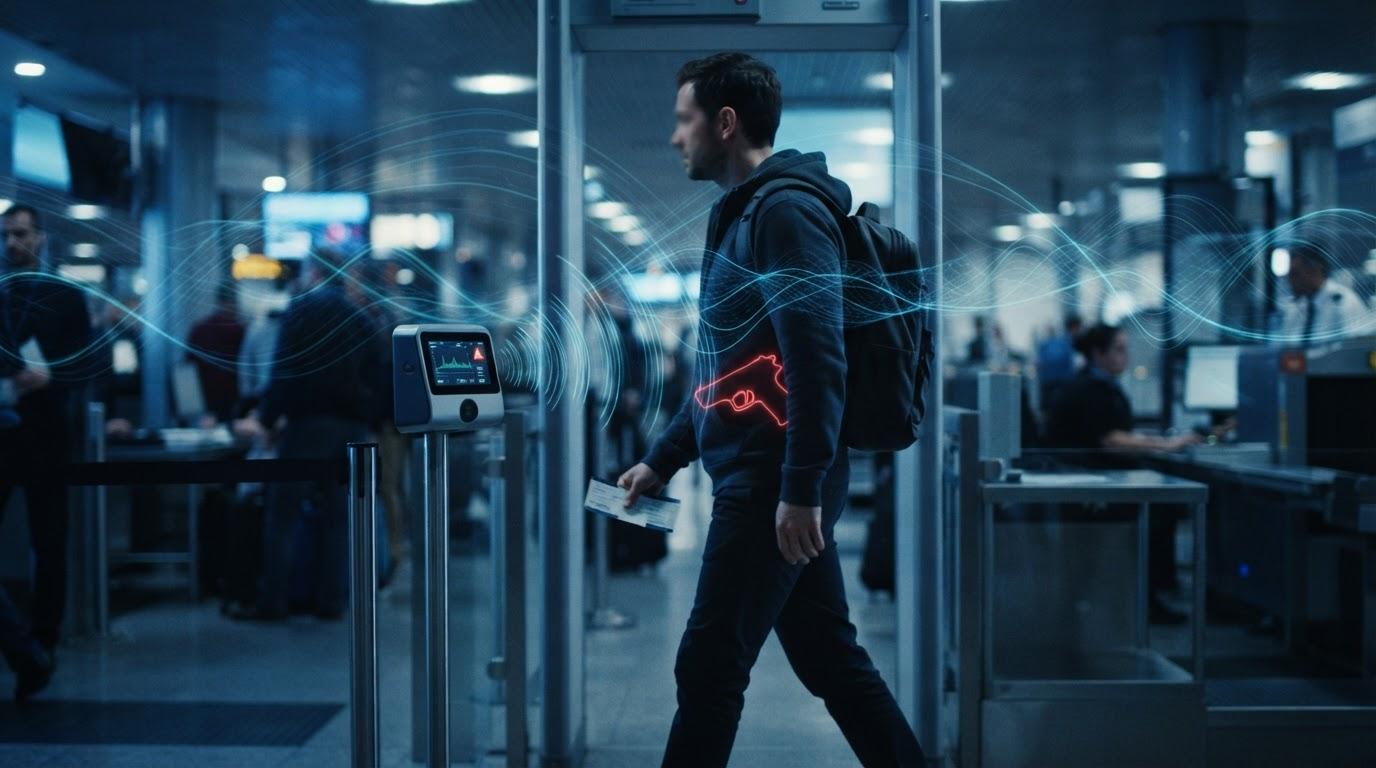
The development of biometric access control systems (PACS) requires a security-by-design approach to protect sensitive palm vein data. Because biometric templates cannot be replaced like passwords, the architecture must rely on a minimal Trusted Computing Base (TCB) and robust cryptographic measures to ensure data integrity.
The system implementation follows Russian regulatory standards, including Federal Law 152-FZ, Government Decree No. 1119, and FSTEC/FSB orders. Compliance involves creating a threat model, implementing secure boot, memory encryption, and mutual TLS (mTLS) authentication for each terminal to prevent unauthorized access.
The architecture defines three security zones: the server room, the building's local area network (LAN), and the physical terminal location. Terminals are designed to operate autonomously, maintaining access control even if the server connection is lost, while protecting the local cache from physical extraction or tampering.
Threat profiles include external attackers using presentation attacks like IR-simulated palm molds, local attackers performing physical hardware tampering or memory dumping, and insiders with administrative access. Mitigation strategies involve hardware-level security, non-extractable keys, and strict network segmentation.