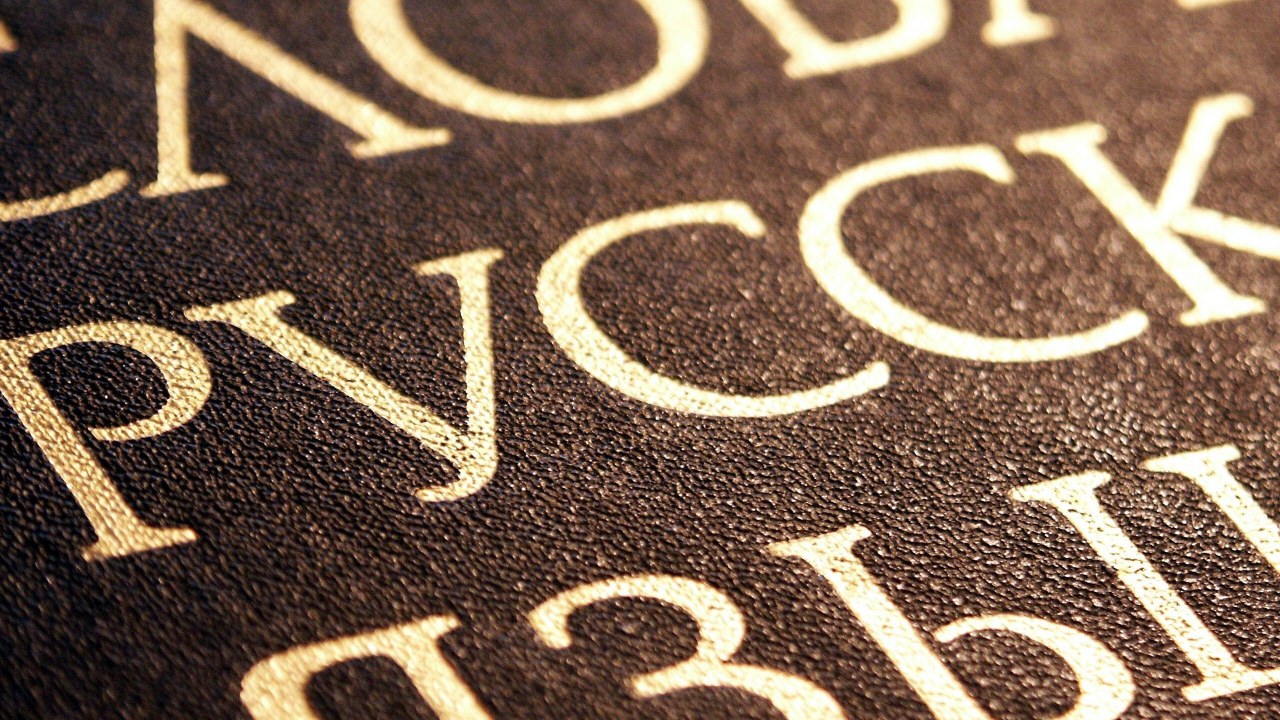
Researchers have demonstrated that typo-squatting attacks remain effective by using specific Cyrillic characters that resemble Latin letters. These homoglyphs can bypass security filters if they are not included in the browser's restricted lists.
Chromium maintains a list of 29 Cyrillic characters frequently used for impersonation. However, attackers can bypass these safeguards by using characters like the Cyrillic 'ө', which is not currently on the restricted list.
A 2020 study indicated that Chromium is the most effective browser at detecting lookalike domains, identifying 64.1% of attempts. The browser also tracks over 8,000 popular domains for potential typo-squatting, with 836 receiving enhanced protection.
To mitigate impersonation risks, experts recommend that companies proactively register lookalike domains. Additionally, promoting the use of passkeys is suggested, as they are strictly bound to specific domains and prevent login on fraudulent sites.